


VERMONT — The Vermont Fish and Wildlife Department (F&W) has begun to receive reports of bears coming out of their dens as the weather warms. Bear incidents have been on the rise over the past several years. 2022 saw high numbers of bear homes break-ins, and two bear attacks. Officials believe this trend is a result of Vermont’s healthy black bear population learning to associate people and food over multiple generations.
“Preventing bears from having access to human-related foods is key to successful coexistence with these long-lived and intelligent animals,” said Jaclyn Comeau, F&W’s bear biologist.
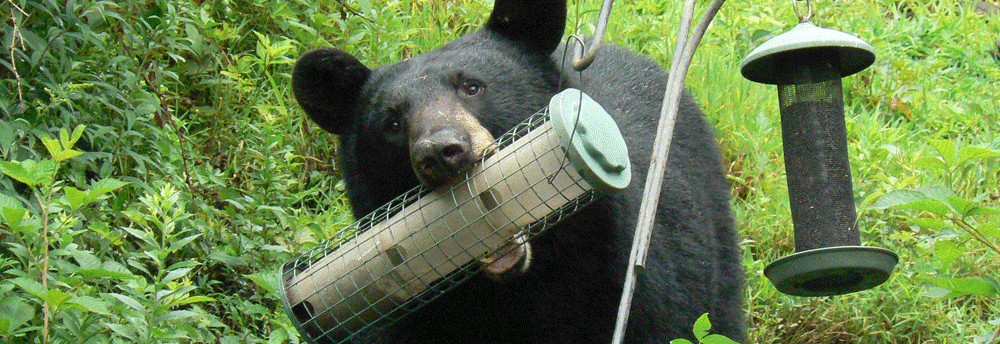
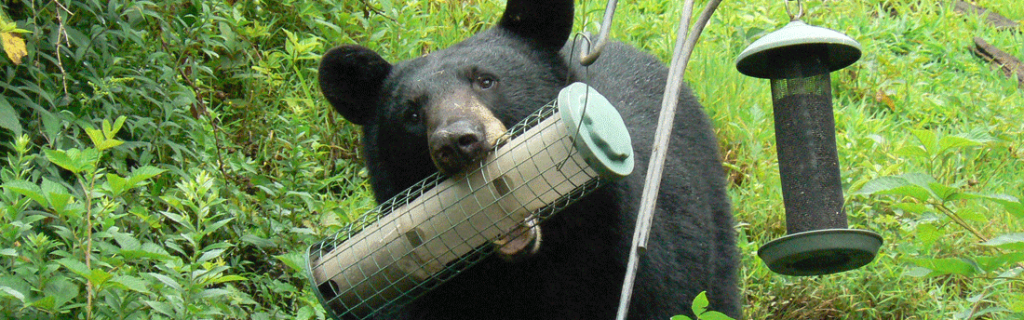
The department asks Vermonters to take the following proactive steps for coexisting with bears: Take down birdfeeders between late March and December, and store garbage in bear-proof containers or structures as trash cans alone are not enough; follow the steps on the F&W web page for composting in bear country; use electric fences to keep chickens and honeybees safe. Residents can also request a bear-proof dumpster from their waste hauler. Lastly, feed pets indoors and never feed bears deliberately or accidentally.
“Now is the time for Vermonters to take down our birdfeeders, make sure our garbage is secure, and protect our backyard chickens and bees with an electric fence,” said Comeau. “This will help teach bears that our yards and neighborhoods are not good places to search for food, but it will only work if everyone does their part.”
F&W also asks Vermonters to submit reports of bears engaging in potentially dangerous behavior like targeting birdfeeders and garbage, feeding on crops or livestock, or investigating campgrounds. Reports can be submitted on the department’s Living with Black Bears web page. The data help biologists keep track of bear incidents and provide early interventions to head off conflicts.
“At the end of the day, purposely feeding a bear is not just bad for the bear,” said Comeau. “It is also dangerous for you, it causes problems for your neighbors, and it is illegal. If bears are finding food on your property, it is your responsibility to remove that attractant and report a problem before the situation escalates.”
Learn more at vtfishandwildlife.com/learn-more/living-with-wildlife/living-with-black-bears

