

CABOT – Community members visited Cabot School’s preK-12 campus to check out what they’ve been working on and learning this semester.
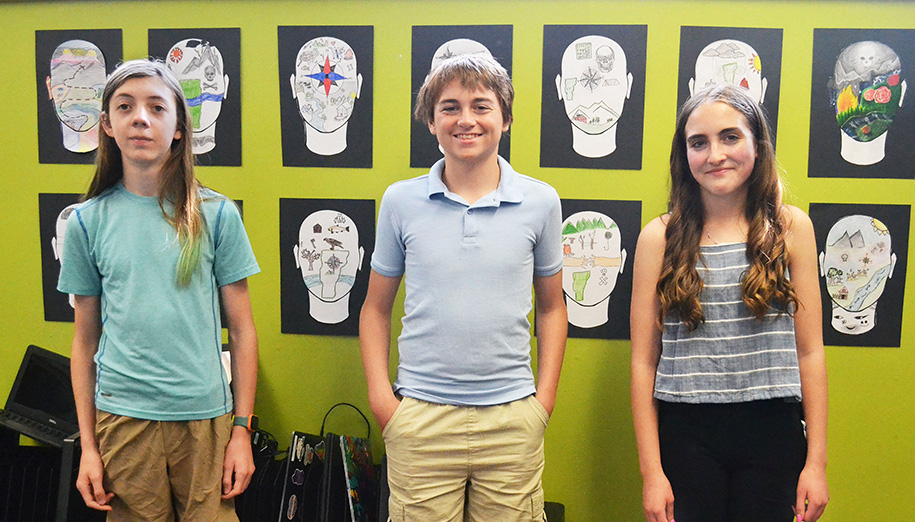
photo by Vanessa Fournier
Throughout the day, preschool students used toy animals and posters to show and tell visitors about the importance of farms and farm animals. Next door, kindergarteners hosted their families for breakfast before guiding them through their indoor forest: an assemblage of leaves, bark and photographs chronicling how each student’s chosen tree outside had changed through the school year.
First- and second-graders showed off the pea and carrot plants they’d started. Their observations of the seedlings’ growth this spring have helped them learn about what plants need to thrive.
After lunch in the library, third- and fourth-grade students presented their research on a range of natural disasters, from blizzards to floods to tornadoes to a large audience. Each student group used their learning to produce a brochure as well as a short newscast video outlining how disasters develop, the damage they cause and how to stay safe when one occurs.
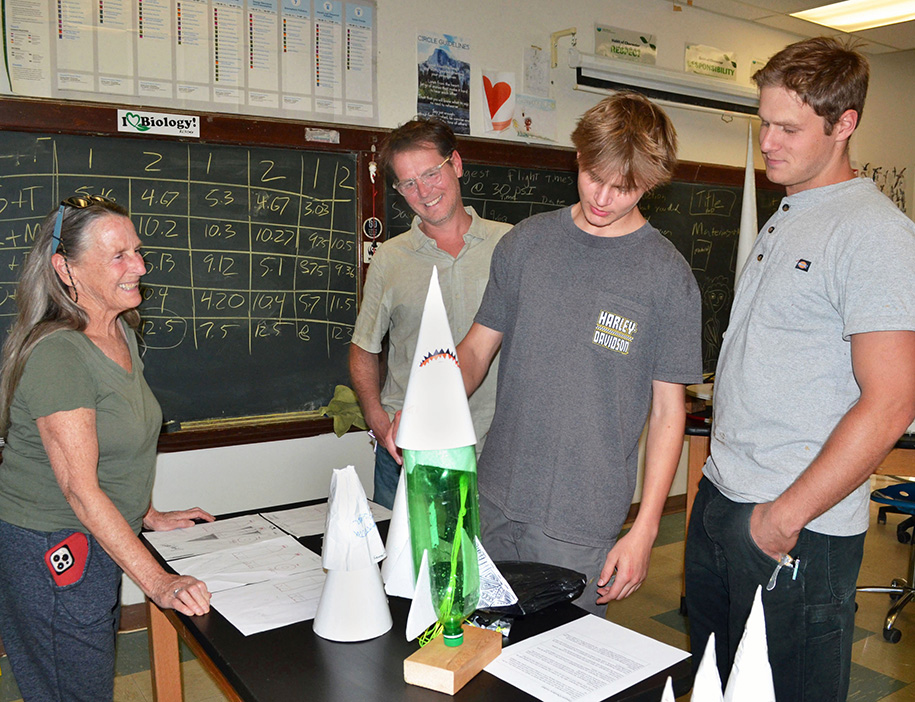
photo by Vanessa Fournier
Having just returned from a field trip to Boston’s Freedom Trail, fifth- and sixth-graders dressed up as fictional Patriots and Loyalists (farmers, printers and tailors) and used artifacts and letters to their King to show how pivotal events like the Stamp Act had impacted their lives before the start of the Revolutionary War.
Middle-school students used a variety of ways to demonstrate what they’d learned this semester in a unit called “A Journey through Adversity and Resilience”. Having researched the challenges faced by the crew of the ice-bound ship Endurance over a century ago, students created a digital, illustrated timeline and composed journal entries of individual crew members who survived the ordeal. After reading “Refugee” about the adversity faced by three different young people during the past century, each student made a detailed drawing of an island and its landforms to represent the intense challenges and goals of each young person’s journey. Finally, students researched the challenges presented by natural disasters around the globe and developed a Google Earth product to locate and detail them.
In the high school, students produced posters and illustrated booklets to showcase their learning about how the English language works, from words to phrases to genres of literature, and painted a wall-sized tree to show the spreading branches of language over time. In the same classroom, students studying different revolutions created posters, essays, news broadcasts and artifacts to present their learning about how those upheavals have led to dramatic change in societies.
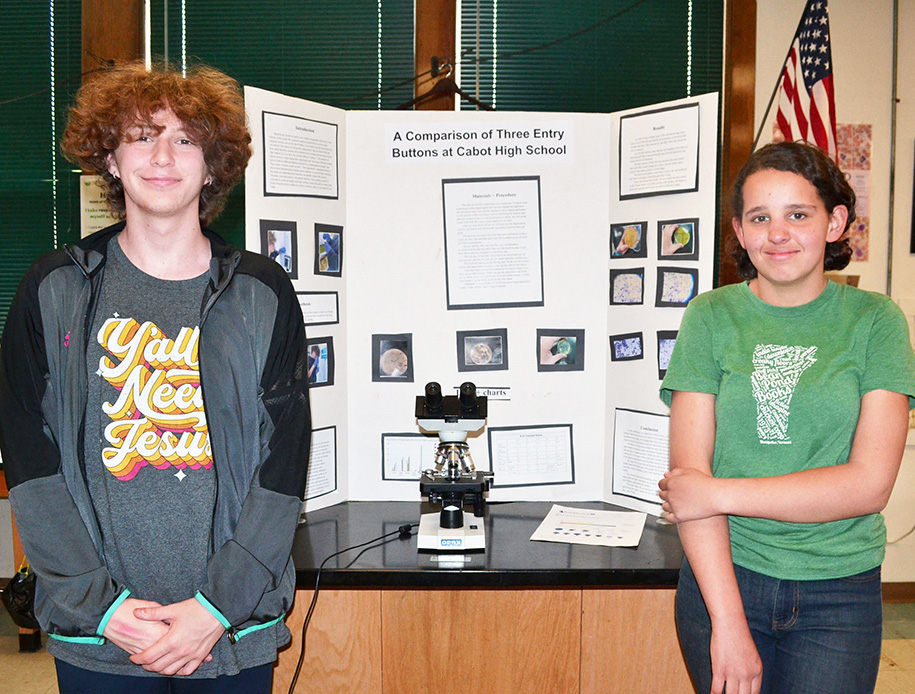
photo by Vanessa Fournier
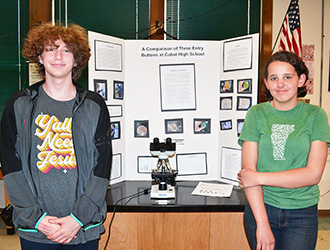
The sound of Chuck Berry’s electric guitar coming from the history classroom drew visitors to watch a student video made to illustrate the connection between different music genres. In the science classroom, students and parents squinted into microscopes and Petri dishes to view the growth of different strains of bacteria collected from aquaria and entryways around the school. Next door, geometry students showed off their 2-D and 3-D house designs, while algebra students displayed the research they’d done on the costs of starting a small business and how to use a program to figure out how quickly the start-up loans could be paid off.
A wide variety of student artwork was on display throughout the day in the Art Room, and in the performing arts building (CSPAC) elementary students presented both an original play and a concert project they’d created. Students in the expanding middle school band showcased their growth in both technical skill and artistic voice this year with an hour-long set that included their versions of tunes ranging from the Beatles to Nirvana.
When introducing the original musical developed by third- and fourth-graders, “Time Travel Trouble,” Performing Arts teacher Shani Stoddard touched on a theme in evidence across the Cabot School campus that day when he reflected, “Yes, I admire what these students produced in this project, but I admire even more how they grew in the process.”

