



NORTH ADAMS, Mass. – Thanksgiving is just around the corner, with cranberry sauce playing a supporting role in traditional holiday feasts.
Native to the northern United States and Canada, cranberries grow in rich, moist soil in boggy areas near rivers and lakes. The most familiar cranberry is the American cranberry (Vaccinium macrocarpon), sometimes referred to as large cranberry or bear berry. Its fruit ranges from one-half to one inch in diameter. Another native species is the small cranberry (Vaccinium oxycoccus), also known as swamp cranberry or bog cranberry. Though similar in appearance, its leaves are smaller and its fruit about half the size of the American cranberry. Both are low-growing, broadleaf evergreen shrubs. They’re hardy in United States Department of Agriculture Plant Hardiness Zones 3 to 7.
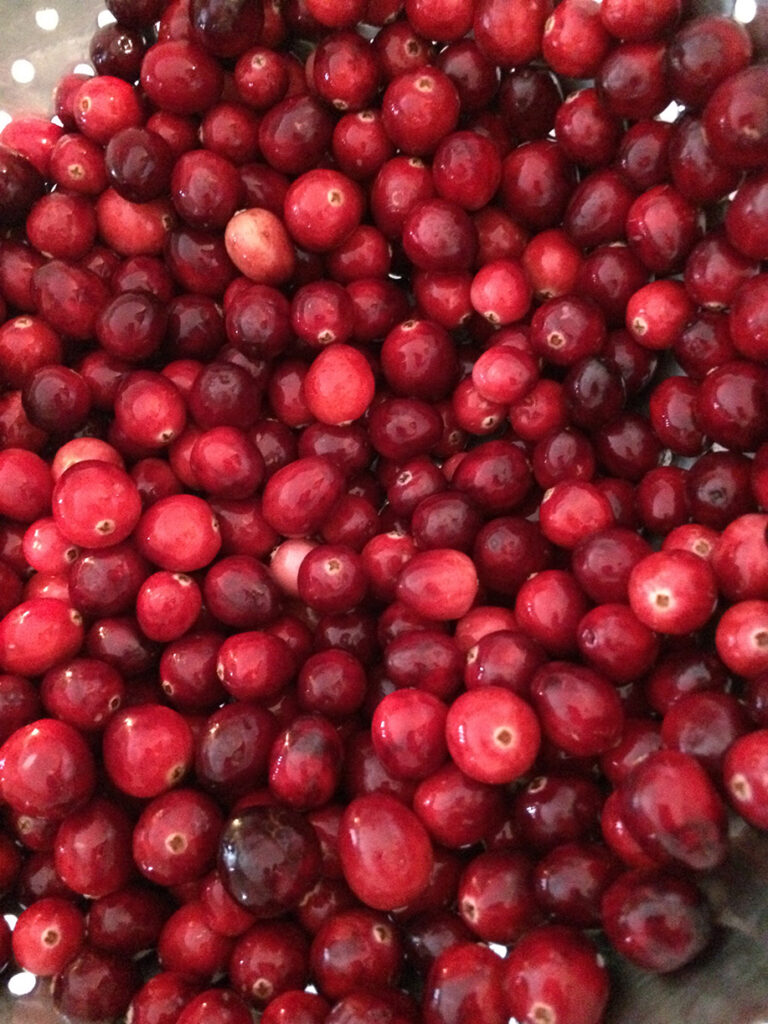
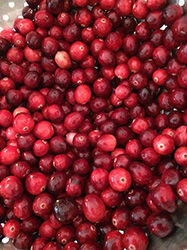
The most common type grown commercially is the American cranberry in packages of fresh cranberries in markets this time of year. It’s the one used to make cranberry sauce, juice, and dried cranberries.
The American cranberry grows only four to six inches high and about one to three feet wide. Cranberry plants spread by creeping rhizomes that root and form new plants. Cranberries don’t do well in drought conditions or in excessive heat. Their roots prefer to remain cool and moist. They can be difficult to transplant. Cranberry flowers contain both male and female parts, making them self-pollinating. If growing cranberries, they can work well as a ground cover or an edging plant. Their evergreen foliage makes an attractive addition to the garden throughout the year. Plant in acidic soil that’s consistently moist but well-draining. They’ll grow in partial sun but do best in full sun. Space plants about two feet apart.
Cranberries can be propagated by taking stem cuttings and rooting them or try growing them from the seeds inside fresh cranberries. The seeds will need to be subjected to cold before germination. Place seeds in a damp, folded paper towel and store in a plastic bag in the refrigerator for a few months. Plant the stratified seeds in an acidic potting soil. Keep the soil moist. Watch for germination in about three weeks, though it could take longer.
When in bloom, cranberries will attract pollinators to a garden. Birds and local wildlife will also find cranberries attractive and eat. Spring brings whitish-pinkish flowers from May into July. The pink to red berries are ready for harvest between August and November.
Native Americans have harvested cranberries for food, medicine and dye for thousands of years. Early European settlers adopted these uses and, by 1672, English writer John Josselyn recorded that cranberries were being boiled with sugar and served with meat, a precursor to the sauces we enjoy today. Cranberries were first commercially grown in 1816 in Massachusetts.
Home growers can easily hand pick cranberries. Commercial growers generally design cranberry bogs (typically a sunken field with a water source) to make harvesting more efficient. Because the berries contain air pockets, they’ll float when the cranberry bog is flooded at harvest time. They’ll also bounce if you drop a fresh cranberry onto the table.
The next time you are opening a can of cranberry sauce, or adding some dried cranberries to homemade oatmeal cookies, think about the tiny shrub that grew them.

Deborah J. Benoit
Deborah Benoit is a UVM Extension Master Gardener who volunteers as a garden columnist and for Bennington County Extension Master Gardener Chapter activities.
