

MONTPELIER – I have always held Gov. Scott in the highest regard. His leadership during the COVID-19 pandemic was admirable and helped make Vermont the envy of much of the nation. His calm, balanced style, coupled with his good sense of following the scientists, guided our state in ways many other leaders lacked. His civility, even toward those who disagree with him, has long set an example of what public service should be.
As of late, however, I have noticed changes that trouble me and make me worry that Vermont’s political landscape may be shifting in unhealthy ways.
If someone told you a government shutdown was coming to Vermont, one in which, as of July 1, our hospitals, nursing homes, and home health agencies would not be paid, and our State Police and other public servants would go without paychecks, you might assume it was another Washington, D.C.–style political standoff. You would be mistaken.
This scenario could unfold here at home. In the first week of the legislative session, Phil Scott made clear he would veto the state budget if the Legislature did not pass an education reform bill to his liking.
The proposal he supports would require forced mergers of school districts, with projected property tax reductions that would take at least three years to materialize, and even then, are far from guaranteed. In fact, those mergers could increase costs. Under a process known as “leveling,” lower-paid teachers in newly merged districts would need to have their salaries raised to match those of higher-paid colleagues, potentially driving spending upward rather than down.
The nonpartisan Vermont Joint Fiscal Office has warned about the consequences of a budget veto. Interpreting the Vermont Constitution, it notes that “without a budget in place at the start of a new fiscal year, state government would effectively shut down. Vermont has no modern precedent for such a shutdown… it would be difficult to overstate the disruption.”
When debate turns to ultimatums rather than persuasion based on the merits of ideas, it marks a troubling moment. Vermont has long prided itself on solving difficult problems through collaboration and mutual respect. We should not lose sight of that tradition. Threatening outcomes that could disrupt vital services to force agreement is not the Vermont way.
We can, and should, do better by returning to the principles of respect, reason, and compromise that have long defined our state.
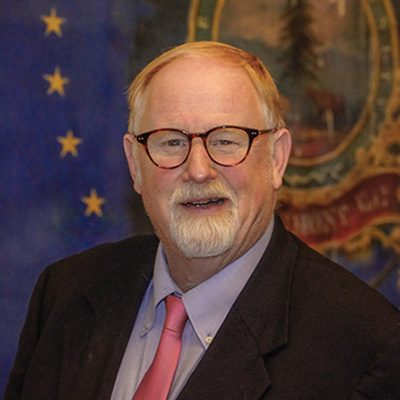
David Yacavone represents Lamoille-Washington in the Vermont Legislature, including Elmore, Morristown, Woodbury, Worcester and Stowe.

