


Hardwick doesn’t have the luxury of abstract conversations about water.
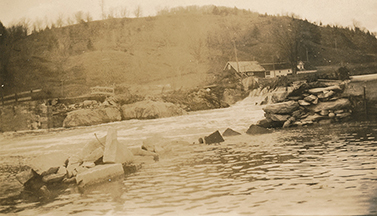
We’ve watched it come through our commercial core, into our homes, and across our roads, more than once, and more recently than anyone would like. We’re investing real money and real time trying to reduce that risk.
That forces us to look at everything that affects how water moves, including beavers.
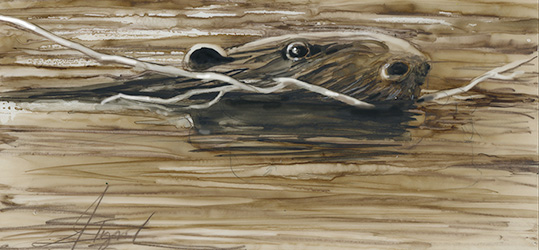
For some, they’re a nuisance: flooding fields, plugging culverts and dropping trees. For others, they’re doing some of the same work we’re trying to do.
The truth is: they can be both.
If we’re serious about resilience, we need to look at the full picture.
We’ve seen roads in Hardwick submerged when water backed up behind beaver activity. In some locations, those impacts have been repeated. Events like that stay with people, and they should.
Beaver impacts are the result of natural behavior, not malfunction. They’re part of how beavers shape the landscape.
The impacts are only part of the story.
Beavers are part of what makes this place what it is. They work quietly along our streams and shape the landscape in ways most of us never see.
Beavers are what scientists call “ecosystem engineers.” By building dams and shaping wetlands, they change how water moves across the landscape.
Beaver ponds slow water down, spread it out, and store it. Instead of rushing downstream all at once, water is held back and released gradually. In the right locations, this can reduce peak flows during storms and help maintain water during dry periods.
It’s similar to what we’re trying to do, intentionally and at significant cost, through flood mitigation projects.
The work beavers do traps sediment and nutrients, improving water quality. They reconnect rivers to their floodplains and create wetlands that support a wide range of species. Beavers are putting complexity back into a landscape where humans have simplified or removed it.
But beavers create real challenges as well.
Their dams can flood roads and back up water where we don’t want it. They can contribute to infrastructure damage when they plug culverts or shift water in unexpected ways,
And they sometimes cut trees in places we wish they wouldn’t.
The question isn’t whether there are impacts. It’s how we respond to them.
For decades, the default approach has been removal; trapping beavers and dismantling their dams.
It rarely lasts. New beavers move in. The problems return and the benefits disappear.
There’s another approach: communities across Vermont are using tools like Beaver Deceivers, structures that regulate water levels without removing the dam. These have been used successfully to reduce flooding at roads and culverts while allowing beavers to continue shaping wetlands and slowing water.
This isn’t about choosing beavers over people. It’s about recognizing where our goals overlap.
We should be asking where natural processes can do some of the work for us as Hardwick continues to invest in recovery and long-term resilience. Beavers won’t solve everything, but in the right places, they can be part of the solution.
The Town of Hardwick and the Jeudevine Memorial Library will host a public talk on beavers, April 29 from 5 to 6:30 p.m., in the Parker Ladd Community Room.
Naturalist Patti Smith will share insights from years of studying beavers in the wild, and Skip Lisle, a national expert on beaver conflict solutions who created the Beaver Deceiver, will talk about practical tools communities are using to live with beavers while protecting infrastructure.
It’s a chance to better understand beavers and what working with them might actually look like.
Kristen Leahy is the Town of Hardwick zoning and floodplain administrator.

