



MONTPELIER – For years, Vermont’s opioid epidemic seemed to move in only one direction: worse. Each annual report brought another heartbreaking record number of overdose deaths, another reminder that fentanyl had tightened its grip on communities across the state. But for the first time in years, Vermont may finally have a measure of cautious hope.
According to new data from the Vermont Department of Health, overdose deaths have now declined for two consecutive years, following the devastating peak reached in 2022. Vermont recorded 183 opioid-related overdose deaths in 2024, down sharply from 236 in 2023 and 244 in 2022. Nationally, overdose deaths also experienced their largest single-year decline ever recorded.
Health officials attribute the decline to several factors: expanded access to naloxone (Narcan), wider use of medication-assisted treatment such as Suboxone and methadone, increased recovery and prevention efforts, and stronger harm-reduction programs across Vermont. The state distributed more than 70,000 doses of naloxone in 2024 alone. Vermont’s “hub-and-spoke” treatment model, which integrates addiction treatment into primary care, is also credited with helping save lives.
The truth, however, is more complicated than simply declaring victory in the war on drugs.
Fewer Vermonters are dying, but addiction itself remains deeply entrenched. Fentanyl still accounts for more than 90 percent of opioid overdose deaths in Vermont. Cocaine and xylazine involvement continues to rise, and emergency rooms, law enforcement agencies, homeless shelters, and recovery centers still report enormous strain tied to substance abuse and mental health crises.
Some experts caution that what Vermont is seeing may reflect not the end of addiction, but rather a shift in how addiction is managed. Narcan saves lives, but it does not cure dependency. Harm reduction can prevent death while people continue struggling with substance use disorder. Others note a harsher reality: many of the most vulnerable fentanyl users may already have died during the deadliest years of the epidemic.
There is also another uncomfortable truth often overlooked in Vermont’s drug debate: alcohol remains one of the state’s most damaging and socially accepted drugs.
While public attention focuses on fentanyl and opioids, alcohol abuse contributes to liver disease, domestic violence, car crashes, homelessness, mental illness, and long-term health deterioration across Vermont. In many overdose deaths classified as “non-opioid,” alcohol is involved alongside cocaine, benzodiazepines, or methamphetamine. State health reports show alcohol continues to play a significant role in substance-related deaths.
The distinction society often makes between “drug abuse” and “alcohol abuse” can be misleading. Alcohol is itself a powerful addictive substance and, in many cases, serves as an entry point into broader addiction and mental health struggles. Vermont’s binge drinking rates have historically ranked among the highest in New England, particularly among younger adults and college-age populations.
The challenge facing policymakers now is whether Vermont can sustain the progress being made. Public health experts warn that cuts to treatment funding, recovery programs, or harm-reduction services could quickly reverse the recent decline in deaths. Similar temporary improvements nationally have reversed before.
At the State House, the debate increasingly centers on what approach works best: enforcement, treatment, prevention, housing, mental health investment, or harm reduction. In reality, the answer is likely some combination of all of them.
What seems clear is this: Vermont is no longer simply fighting to stop people from dying. The larger challenge now is helping people recover, rebuild stable lives and prevent the next generation from falling into addiction in the first place.
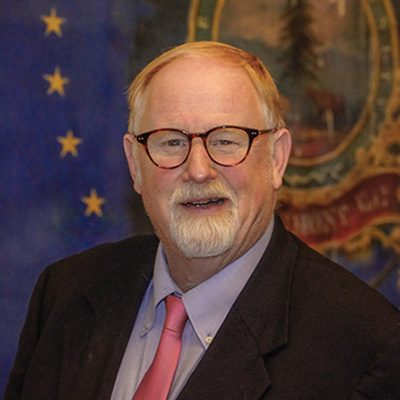
David Yacavone represents Lamoille-Washington in the Vermont Legislature, including Elmore, Morristown, Woodbury, Worcester and Stowe.

