
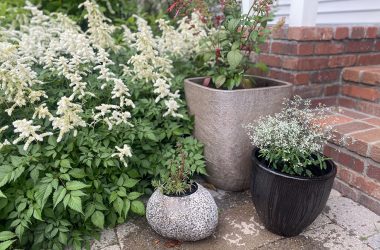
SOUTH BURLINGTON – Water is a precious resource, and we should do what we can to conserve it. It is possible to keep outdoor plants well hydrated while also being judicious about water usage. If adding plants to flowerbeds or landscape, choose the right plants for the location’s moisture conditions[Read More…]
In the Garden
Tips for Photographing a Garden
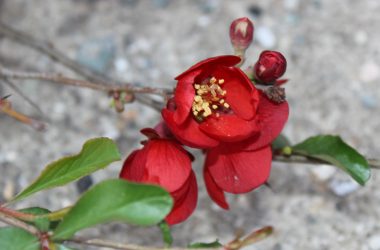
NORTH ADAMS, Mass. – As much as we might wish that May lilacs or June peonies would last forever in our gardens, they’re fleeting pleasures. One of the best ways to preserve those wonderful moments and revisit them in the future is by photographing the garden. If not taking pictures[Read More…]
Peach Leaf Curl Common Disease
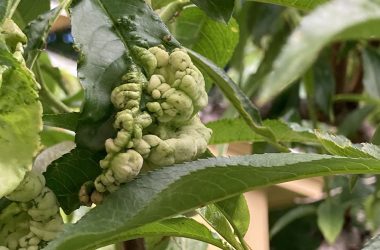
BURLINGTON – Peach leaf curl has been a common disease of peach trees this spring in Vermont. The disease often occurs in wet cool springs following mild winters. The fungus (Taphrina deformans) causes the foliage to become stunted, puckered and deformed with a reddish to purple tinge, often causing alarm[Read More…]
Gardening with Native Plants has Benefits
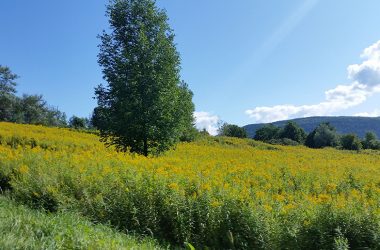
PANTON – Stunning landscapes abound all over the world, each one a testament to the captivating beauty of its native plant life. A flamboyant Royal Poinciana (Delonix regia) in bloom in its African natural habitat is a breathtaking sight that cannot be replicated elsewhere. Likewise, the majestic expanses of sugar[Read More…]
Building Habitat for Bees
NORTHFIELD – Bees are critically important pollinators to support and protect. Along with other insects, bees are essential components of agriculture by pollinating fruits, vegetables and other crops. Pollinator habitat is declining as a result of large-scale agriculture and urbanization. This trend destroys natural bee habitats like grasslands and prairies,[Read More…]
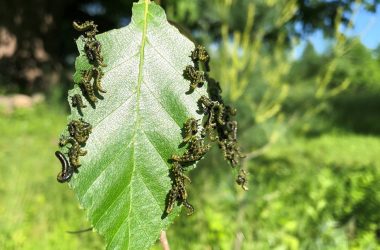
Dusky Birch Sawflies Defoliate Trees
BURLINGTON – The defoliation in river birch trees may be a sign that dusky birch sawflies (Croesus latitarsus) are feeding on the foliage. Examine the leaf edges for these voracious feeders, which resemble caterpillars (immature moths and butterflies in the order Lepidoptera) but are actually sawflies, in the bee, ant[Read More…]
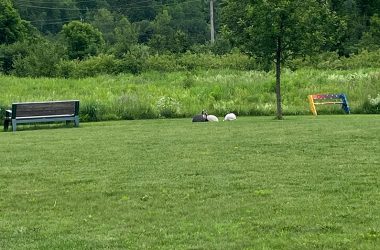
Correcting Soil Compaction in Lawns
NORTHFIELD – The summer months are a time when many of us enjoy lawns. From playing sports to picnicking, lawns can be an important part of our summer experience. With all of this activity, lawns can be sensitive to over use, and soil compaction may become an issue. Soil compaction[Read More…]
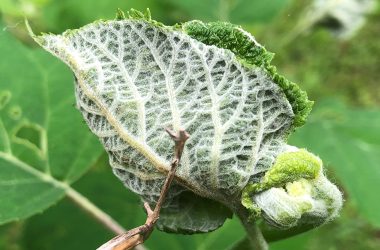
Hydrangea Leaftier Makes Odd Leaf Constructions
BURLINGTON – If you have hydrangeas in your yard, you may have noticed odd structures in the plant in mid-May. These bladder-like pouches at the ends of branches are made up of cupped leaves tied together with silk and are formed by the hydrangea leaftier caterpillar (Olethreutes ferriferana). The hydrangea[Read More…]
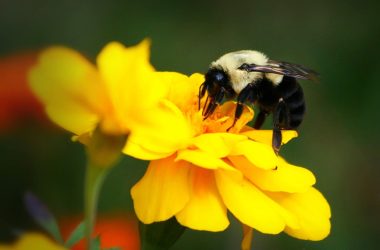
Flowers are Practical in Vegetable Garden
NORTH ADAMS, Mass. – There’s no denying they’re pretty, but there are practical reasons to plant flowers among the vegetables in your garden. Pollination is a vital component in a successful vegetable garden. Planting flowers is like ringing the dinner bell for bees, butterflies and other pollinators. They’ll be attracted[Read More…]
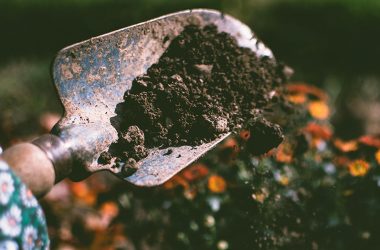
Screening Garden Soils for Lead
BURLINGTON – Whether new to gardening, or growing vegetables for years, gardeners should understand the importance of getting soil tested for nutrient levels, soil pH and having garden soil screened for lead. Although lead, a bluish-gray metal, occurs naturally in soil in small amounts, typically less than 41 parts per[Read More…]
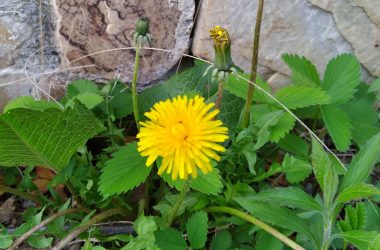
Are Dandelions Foe or Friend?
NORTH ADAMS, Mass. – It’s that time of year again. Sunny yellow blossoms pop up all over the landscape, bringing smiles to children’s faces and frowns to those who favor manicured lawns. Love ‘em, hate ‘em or don’t pay them much attention, there’s a lot to be said about dandelions[Read More…]

Red Admirals are on the Move
HARDWICK – Have you seen this butterfly? The Red Admiral (Vanessa Atalanta), because of it’s 50 or so larval host plants in the nettle family (Urticaceae), is found worldwide, and is one of our most abundant butterfly species in the U.S. They are fast flyers, moving rapidly out of the[Read More…]


