
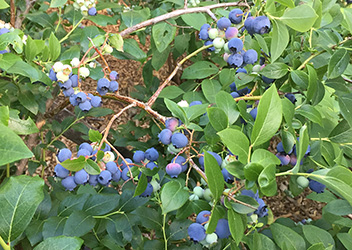


BURLINGTON − Blueberries, which originated in North America, are one of the healthiest fruits to eat. They have a unique and delicious flavor, are low in calories and are packed with antioxidants. They hold up well in the freezer or fridge, so can be enjoyed long after harvest. This year, the blueberry crop is plentiful on Vermont farms.
The domestication of the blueberry started in 1908 when a researcher at the U.S. Department of Agriculture (USDA), Dr. Frederick Coville, began seeking out superior wild plants for breeding in New Hampshire. In 1911, he lucked out when Elizabeth White, a commercial cranberry grower in New Jersey, learned of his work and perceived its potential. She offered her assistance and for the next two decades enlisted her pickers to search for exceptionally fine bushes in the wilds of the pine barrens.
Dr. Coville developed the first 15 commercial blueberry varieties. In 1937, a Vermonter took over the USDA blueberry breeding program. Dr. George Darrow initiated cooperation with state agricultural experiment stations and private growers so new varieties could be tested in different growing areas.
Between 1946 and 1962, he provided over 200,000 seedling plants to cooperators in 13 states. Two of these cooperators were Green Mountain Orchards and Harlow’s Sugarhouse, both of which had apple orchards in Putney.
Over time, the highbush blueberry crop really took off. The 2022 U.S. Census of Agriculture counted 286 farms with 404 acres of blueberries in Vermont. The typical yield is almost 2,000 pounds per acre, so about 800,000 pounds of Vermont blueberries must be picked, sold and eaten in a relatively short time. Almost all these berries are sold directly to customers or to local stores and distributors.
Nationally, 795 million pounds of blueberries were harvested in 2024. About half the crop comes from Washington and Oregon, which have a combined 32,000 acres in production, mostly on specialized farms that ship to stores and processors.
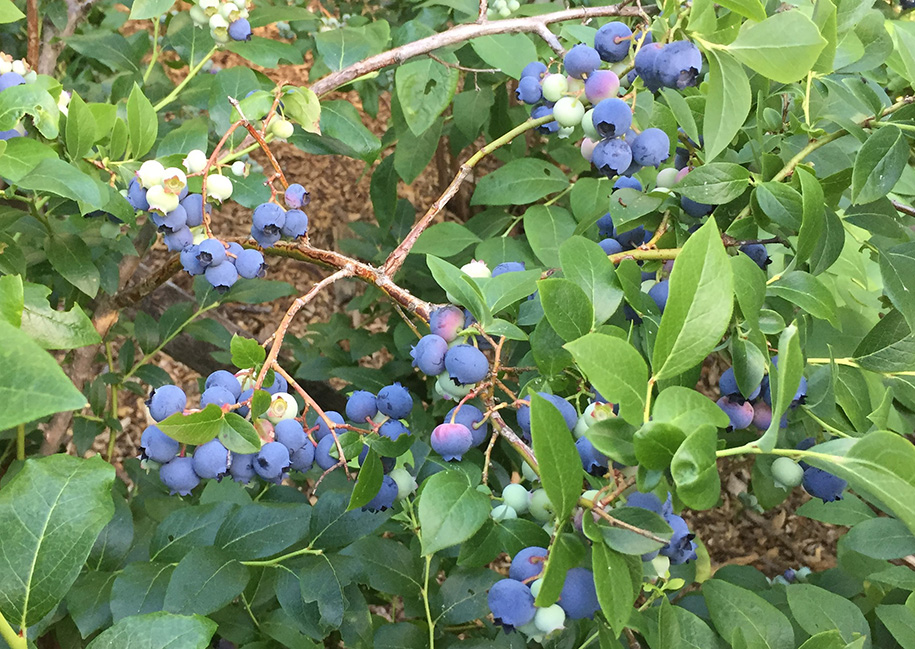
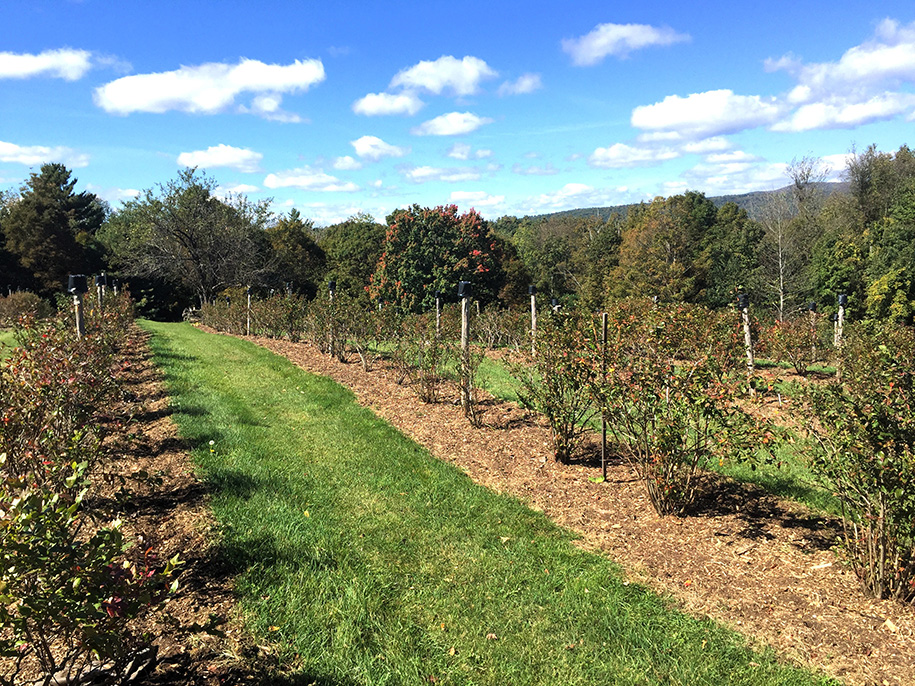
Blueberries are unusual in that they require an acidic soil to grow well. In many locations, sulfur should be added to lower the soil pH before the crop is planted. Then, the plants must be mulched, pruned and irrigated to produce the highest yields.
Fruit buds form on the second year of cane growth, so removal of old canes is important to allow room for new canes, which maintain production over time. Blueberry bushes, if well-tended, live for many decades.
Eating blueberries can provide a slew of health benefits. They are a good source of vitamins C and K as well as dietary fiber. In addition, blueberries, like other blue and red-colored fruits and vegetables, are high in antioxidants.
One of the antioxidants in blueberries is anthocyanin, a type of flavonoid responsible for the blue pigment. Antioxidants protect the body from free radicals, which are unstable molecules that can damage cells and contribute to diseases. Research also suggests that blueberries are beneficial to maintaining memory and cognitive function.
Dr. Vern Grubinger is the University of Vermont Extension vegetable and berry specialist.

Dr. Vern Grubinger is the University of Vermont Extension vegetable and berry specialist.
