


NORTH ADAMS, Mass. – Those who have always grown a traditional garden with rows of tomatoes or sprawling cucumbers might consider taking edible gardening one step further by incorporating food crops into your landscape plan.
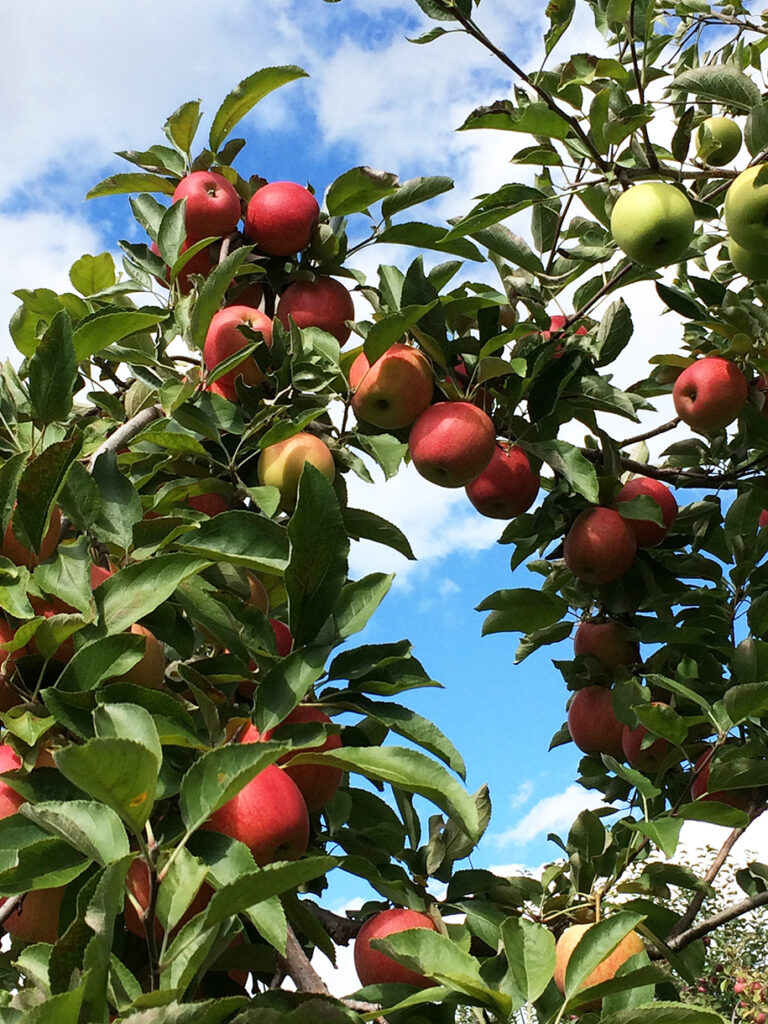
photo by Debra Heleba
Growing plants that produce food as part of your yard’s design can add an unexpected decorative element. It can also increase the available space to grow fruits, vegetables and herbs by tucking them into places that might otherwise be occupied by purely decorative plants.
Fruit trees produce flowers in the spring and tasty treats later in the season. Most are available in standard, semi-dwarf and dwarf sizes, making them good options for the home landscape. Some, like peaches (Prunus persica), are self-fertile. Others, such as apples (Malus domestica), require a pollinizer, so you’ll need to plan for two trees.
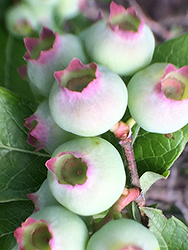
Highbush blueberries (Vaccinium corymbosum) turn colorful in the fall? Blueberry bushes can exhibit colors ranging from red to purple, orange or yellow. This North American local species is hardy in United States Department of Agriculture Plant Hardiness Zones 3 to 8, depending on the variety. Height at maturity ranges from five to eight feet. Consider investing in two or more varieties since cross-pollination will increase yield even in those that are self-fertile.
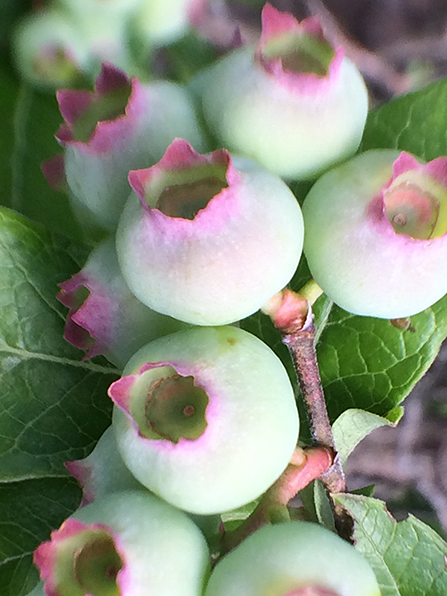
photo by Debra Heleba
Many species of serviceberries (Amelanchier) are locally evolved in North America. They’re hardy in Zones 2 to 8. Mature size can vary depending on the variety, with some shrubs four to six feet in height, while others reach over 15 feet tall.
Annual vegetables like green or yellow pole beans (Phaseolus vulgaris) or cucumbers (Cucumis sativus) can be grown up a trellis or other structures, providing attractive flowers followed by easy harvesting.
Low-growing strawberries (Fragaria × ananassa) (Zones 3 to 10) can be used as a border. American cranberries (Vaccinium macrocarpon) (Zones 3 to 7) with their low-growth habit of only four to six inches high and evergreen foliage can serve as groundcover in sunny areas.
Including herbs in your garden beds not only adds visual interest with a variety of leaf textures, but they also add a punch of flavor when cooking. Dill (Anethum graveolens) sports frilly foliage. Chives (Allium schoenoprasum) are a low-growing perennial that produce purple, orb-shaped flowers.
Edible flowers can add pops of color to the garden, attract pollinators, and add new flavor to salads and other dishes.
Many garden favorites you may already be growing are edible. The newly emerged sprouts of Hostas (Hosta) taste similar to asparagus. The flowers are also edible. Rose (Rosa) petals and hips, all parts of the daylily (Hemerocallis), but not Asiatic or other lilies which can be poisonous, and lilac (Syringa vulgaris) flowers have various culinary uses.
When selecting a plant for an edible garden, be sure the plant is properly identified and that it is indeed edible. In addition, be sure it hasn’t been treated with pesticides or other toxic substances.
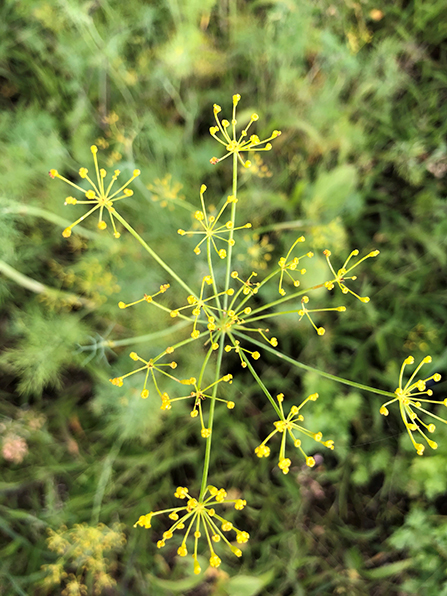
photo by Debra Heleba
Make a selection as you would a purely decorative plant. Be sure to take into consideration its mature size, as well as its light, water, soil and nutrient needs. While it’s easy to observe light and water conditions, for best results, consider having a soil test to determine whether any amendments should be made. See go.uvm.edu/soiltest for more information.
When dealing with pests or other problems in a garden that includes plants intended for human consumption, consider using integrated pest management (IPM) techniques to help keep edible plants free from toxic substances.
Whether looking for a tree, shrub, flowers or groundcover, there’s likely an edible plant (or two or more) that can add another layer of pleasure to your garden. Contact the Extension Master Gardener Helpline at go.uvm.edu/gardenhelpline for additional ideas or guidance on installing these plants in your home landscape.
Deborah Benoit is a UVM Extension Master Gardener from North Adams, Mass., who volunteers as a garden columnist and participates in Bennington County Extension Master Gardener Chapter activities.

