



SOUTH BURLINGTON – As we prepare to celebrate 250 years since our nation’s founding, it seems like an opportune time to take a retrospective look into what gardening was like in America in 1776.
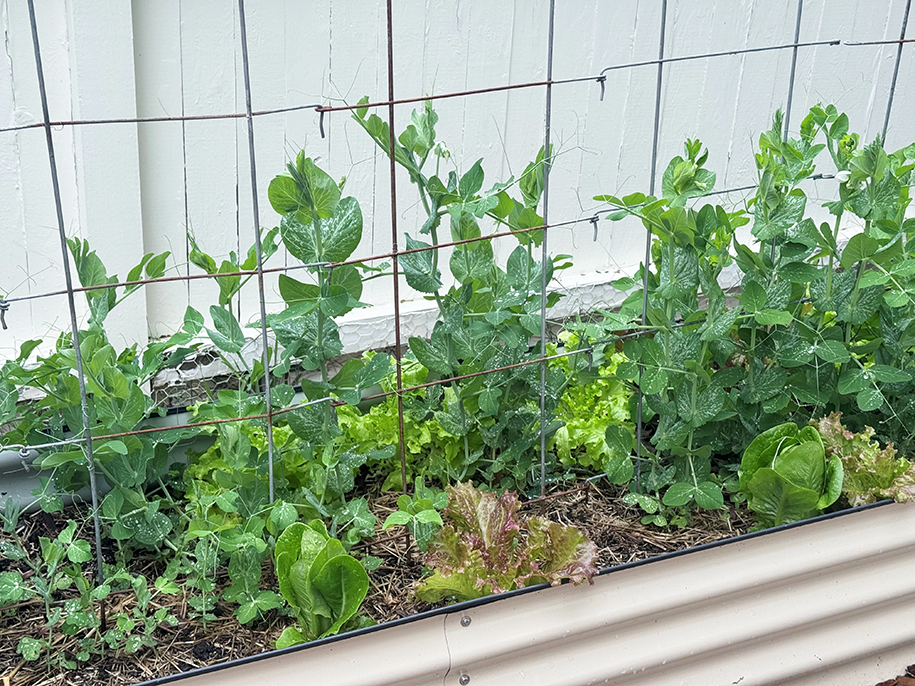
photo by Amy Simone
Long before the days of grocery stores and industrialized farming, early Americans planted gardens to provide their families and livestock with food and medicine. Garden plots were compact and efficient. Flowers, herbs and vegetables were interplanted to make the best use of every inch. Succession planting kept a steady supply of fresh vegetables available.
Tidy colonial kitchen gardens, located in a sunny location outside the kitchen door with a well nearby, were planted strategically throughout the growing season. Peas were the first seeds to go in in the spring and vined up on tripods or stick fences. The supports were repurposed for the pole beans later in the season. Both the peas and beans enriched the soil with nitrogen, benefiting future crops.
Root vegetables such as onions, carrots, beets, horseradish, parsnip, skirrets (resembling a skinny parsnip), turnips and radishes were tucked into spaces between the peas and beans. Leeks were grown for both culinary and medicinal purposes, but garlic was only grown for its medicinal benefits, not for cooking.
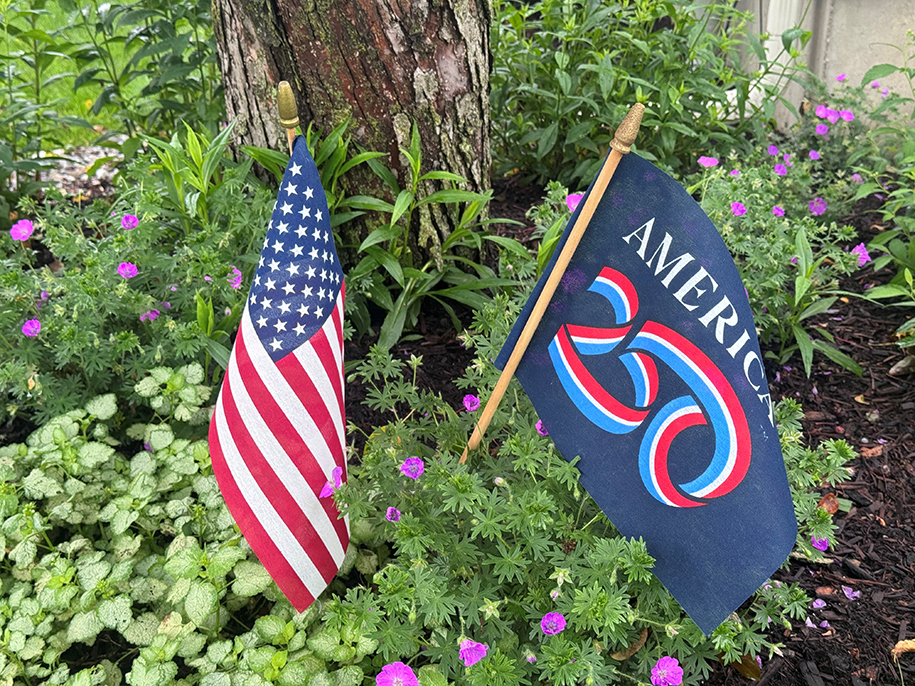
photo by Amy Simone
Salad greens, at the time called sallet herbs, included edible green leaves such as lettuces, dandelions, mustard, chives, spinach, mint, chard, cabbage, pea shoots and nasturtium. These offered a welcome variety after a winter of dining on root vegetables. Parsley was grown to be eaten, as well as for its stellar medicinal properties.
Flowering plants were essential elements of the kitchen garden, doing dual duty by offering both beautiful flowers as well as ingredients for medicinal teas and tinctures. Everything from roses, anise hyssop, chamomile, comfrey, lavender, lemon balm, lemon verbena, marjoram, bee balm, mints, calendula, feverfew, clove pinks, Sweet William, violets and primroses supplied the household with the ingredients to remedy many conditions.
Beyond the fenced-in kitchen garden, there were fruit and nut trees, and berry bushes. Apples and pears were grown for cider. Chestnuts were roasted or made into flour, and walnuts were eaten raw, turned into oil or used in baking.
Further from the home, no matter the size of the plot of land, were the fields where the spreading crops were grown. Cucumbers, squash, pumpkins, gourds, rye, barley, corn, and additional turnips that were grown as feed for livestock would be found.
Corn was an important crop, with kernels that were dried and ground into cornmeal, to be used as an ingredient in hasty pudding and johnny cakes. Hardy rye was grown to use as flour when wheat crops failed. Beer-making and livestock depended on barley production.
Interestingly, potatoes and their nightshade relative, the tomato, were not found in the colonial gardens at this time.
We are a nation with a rich history of gardening, and American gardeners still have the enviable joy of being able to grow their own flowers, herbs, fruits, nuts, berries, and vegetables.
Amy Simone is a UVM Extension Master Gardener volunteer from South Burlington.

Amy Simone
Amy Simone is a UVM Extension Master Gardener from South Burlington.
