
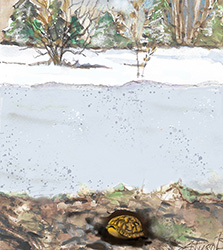
NEW ENGLAND – For hundreds of years, people believed that, come autumn, barn swallows would dive under the surface of ponds and lakes, swim to the bottom, and bury themselves in the mud for the winter. We now know better. Swallows, along with thousands of other avian species across the[Read More…]
The Outside Story
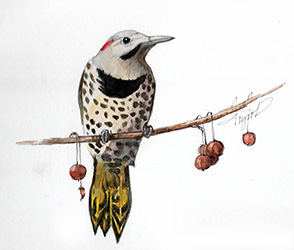
Rare winter flicker of red, yellow
NEW ENGLAND – While many of our region’s colorful birds fly south for the cold months, resident woodpeckers offer a reliable contrast to this season’s monochrome palette. A pileated woodpecker’s blazing crest and the miniature red cap of a hairy woodpecker brighten the gray-and-white doldrums. But few avian winter wardrobes[Read More…]
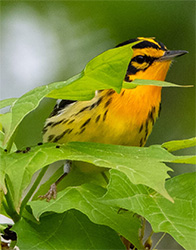
What three decades of monitoring birds reveal about changing forests
WHITE RIVER JUNCTION – Deep in the Vermont forests, the flute-like call of the Hermit Thrush drifts through the understory and the Blackburnian Warbler’s song carries from the canopy, both reminders of the diversity and complexity woven into Vermont’s forest ecosystems. But this dawn chorus of breeding birds is shifting.[Read More…]
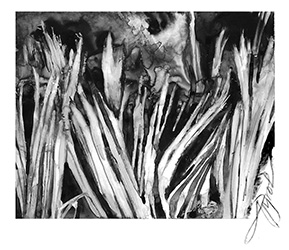
Crunching through a forest of needle ice
DUXBURY – On an early winter walk with my three-year-old in a local town forest, we heard our steps crunch on the frozen ground. The dirt of the trail had been pushed up on delicate columns of ice that looked like a pale sugar candy. “Why is it like ribbon[Read More…]
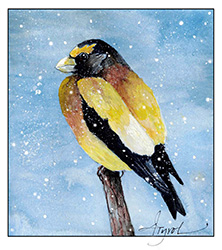
How to help Evening Grosbeaks and Researchers
Vermont Center for Ecostudies WHITE RIVER JUNCTION – Every holiday season, my family and I spend a weekend day cutting down our Christmas tree. We like to go to a local place about 45 minutes away in New Hampshire. The owner used to be a wetlands scientist, and you can[Read More…]
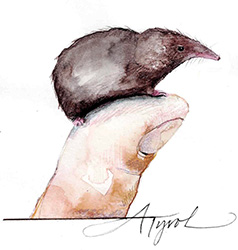
The incredible shrinking shrew
MILLBROOK, N.Y. – Last autumn, I was canoeing in a quiet saltwater cove on the Maine coast when I realized I had a tiny stowaway onboard. A masked shrew (Sorex cinereus, also called the cinereus or common shrew) was huddled in the boat’s bow, trying to disappear into the nose[Read More…]
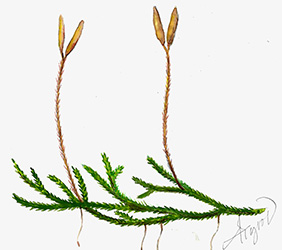
Quiet persistence of clubmosses
BROOKFIELD – Walking in our woods in winter, I notice dense patches of clubmoss that lend a welcome splash of green to the forest floor. Some of these evergreen plants resemble miniature Christmas trees; others have fuzzy runners that creep across the ground. Despite their name, clubmosses are not true[Read More…]
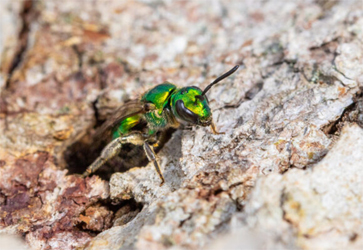
Where do bees go in winter?
WHITE RIVER JUNCTION – Step outside on a brisk December day, and you’re likely to be surrounded by bees. No, you’re not likely to observe a bee visiting your snowman or investigating your yellow parka while you shovel the walk; yet they are all around us, probably much closer than[Read More…]
Bird brain isn’t so bad
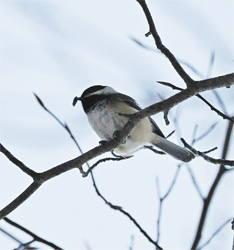
WHITE RIVER JUNCTION – Once meant as an insult, being called “bird brain” should really be considered a compliment, especially if the bird in question is a Black-capped Chickadee. Scientists have amassed decades of research demonstrating the cognitive powers of these small, feisty birds. As year-round northeastern residents, chickadees prepare[Read More…]
Cocoon spotting: giant silk moths in winter
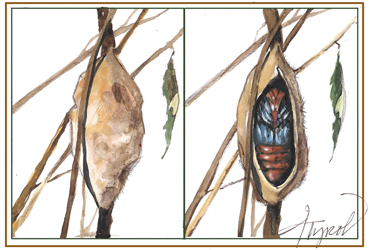
NEW ENGLAND – Late fall and early winter are the best times of year to spot giant silk moth cocoons in New England. Perhaps you’ve seen these creatures in the summer, fluttering by a porch light in the evening or resting on a garage wall in the early morning after[Read More…]
Trappers and educators protect Vermont against invasive beetle
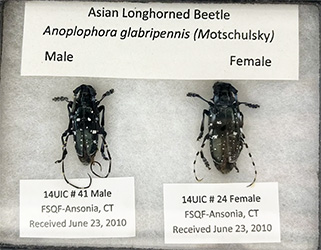
VERMONT – Across six sites in Vermont’s forests, Savannah Ferreira and her team of trappers are on the lookout for six-legged invaders. If the rogues establish a stronghold here, they will pillage tree habitats and hold sugar producers hostage. The trappers cloak lures in forest camouflage to spring on their[Read More…]
Winter visitor: Rough-legged Hawk
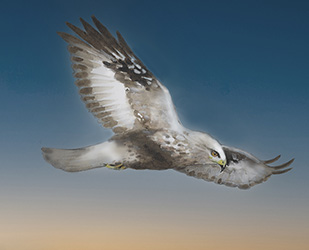
MILLBROOK, N.Y. – In late autumn, cold air masses come barreling down from the Canadian Arctic like an atmospheric avalanche, bringing with them a visitor from the North: the rough-legged hawk (Buteo lagopus). Its arrival is not as heralded as that of another arctic invader, the snowy owl, but the[Read More…]


