
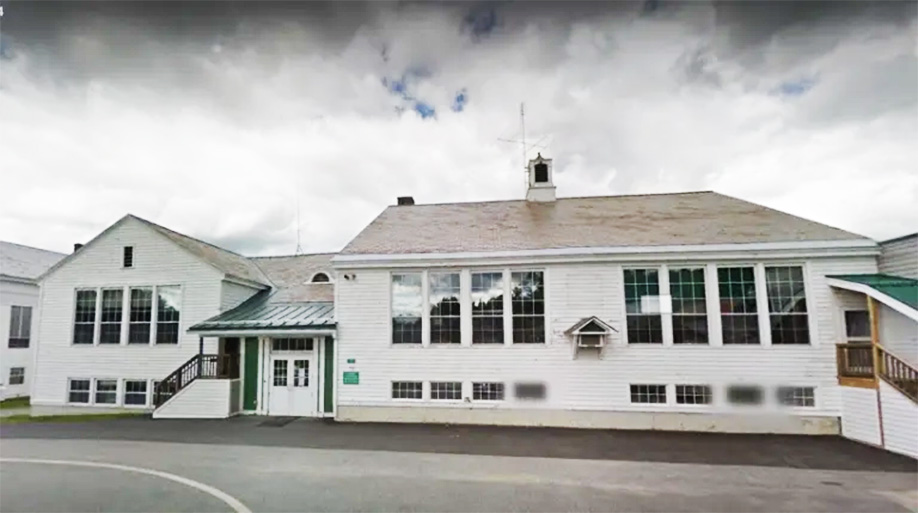


CABOT – The Cabot School Board settled on a plan to improve math and literacy instruction without reducing staff positions for the 2027 school year at a series of special meetings April 3 and 9.
After seeing a presentation and hearing comments from the public, April 3, the board decided on a more flexible approach to improve math and literacy education.
On April 9, they listened to a proposal and decided to retain current staff levels, dropping the full-time theater arts position and posting an opening for a full-time secondary language arts position and a half-time middle-high school music teacher position.
They then voted to reduce the current art position from full-time to 0.8 full-time equivalent (FTE) and add 0.2 FTE for a paraeductor.
In addition, they decided to retain the 0.6 world language position.
A presentation by Chris Tormey for board members, staff and the public, April 3, highlighted the importance of improving student math and literacy skills and suggested potential staff reductions to be paid for by a reduction in special classes such as art, music and world language, from two to one 45-minute block daily. He also shared the many ways students can earn credits to graduate; through courses at career-tech centers, entering the school lottery to attend another school and by taking early college credits.
They learned that enrollment is projected to fall to 23 students from the 37 currently, with more students studying options outside of Cabot school.
The public shared a wide range of comments, followed by comments from board members Ellen Cairns, Melissa Pratt and Alicia Hebert who were opposed to staff reductions. Jason Monaco said he recognized the need to strengthen core programs and asked whether those needs could be addressed without implementing staff reductions, while acknowledging some may be necessary due to licensing constraints.
The board agreed to explore alternative options to ensure that core program needs are met, involving staff in generating ideas and solutions.
At the April 9 meeting, Mark Mooney presented strategies to improve math and literacy instruction without reducing staff positions. That involved having two specialists present in K–4 classrooms during math and literacy blocks; establishing a WIN (What I Need) block for tier-two interventions and enrichment; and transitioning the high school to more integrated, collaborative project-based learning to allow staff greater flexibility.
To accomplish the latter, staff said they would handle scheduling creatively, creating time for collaborative planning by using specialist teachers to cover lunch and recess.

Paul Fixx is editor of The Hardwick Gazette and lives in Hardwick.
