


BURLINGTON – After a very wet spring, warm and dry conditions have dominated Vermont and the Northeast since the beginning of June. According to the National Integrated Drought Information System, the driest areas of the region have received only 25% to 75% of normal precipitation. At the same time, temperatures have ranged from 2°F to 4°F above normal. Depleted soil moisture and high evaporative demand, caused by higher temperatures, have continued to dry out vegetation and increased the risk of fires.

photo by Ann Hazelrigg
The lack of rain, coupled with high temperatures, increases the likelihood of severe stress in shrubs, trees and other plants. Without water, plants can’t readily absorb and transport minerals or nutrients. Metabolic processes, including photosynthesis, decrease or stop as drought conditions become severe. During a drought, fine root hairs die, further reducing the capacity of trees and other plants to absorb water.
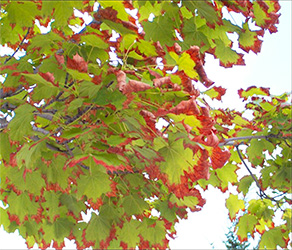
Acute drought stress symptoms in trees and shrubs include wilting, marginal leaf scorch or dieback along the leaf edges, yellowing or browning leaves and premature leaf drop. Symptoms may also include tip dieback in evergreens and, in some cases, dead branches. Some trees in the area are dropping leaves as if it were late October.
The long-term effects of drought on the health and survivability of woody plants are less obvious and hard to determine. The extent of the damage may depend on additional factors such as the site, genus of the tree or shrub, soil type, amount of soil compaction, age of plant, exposure and previous stress issues such as damage from pests and diseases.
Although insufficient rainfall during this growing season is the primary cause of the lack of soil moisture, it can be exacerbated by high temperatures and strong winds. Exposed trees facing south and west may be more impacted than those that are more protected.
Soil type will also influence the impact of drought. Trees planted in sandy soil may exhibit symptoms earlier or be more severely affected, as there is a limited water-holding capacity. Trees planted on shallower soils may show acute symptoms earlier.
Plants already stressed by insect pressure, such as defoliation from caterpillars or diseases like lilac leaf blight, may exhibit increased damage and be slower to recover. Drought stress weakens the plant’s natural defenses, increasing the chances of attacks by pests such as boring insects, bark beetles, and spider mites. It may also increase the incidence of root rot (Armillaria, shoestring rot) and certain canker diseases.
Newly transplanted trees and shrubs are particularly vulnerable to drought, as they may have lost a significant amount of water-absorbing roots during the digging and transplanting process.
To lessen the impacts of drought, water deeply and slowly out to the dripline every week if it is dry and hot. Avoid over-saturating the soil; it should be moist 12 inches below the soil surface. Use a two- to four-inch layer of mulch or landscape fabric around the tree out to the dripline to help retain any moisture that is still in the soil. Avoid fertilizing during drought, as it can stimulate new growth and exacerbate stress.
Hopefully, fall rains will replenish the soil moisture and stop further damage. It remains to be seen, but the drought conditions may impact the color of the fall foliage.
Dr. Ann Hazelrigg is the University of Vermont (UVM) Extension Plant Pathologist and director of the UVM Plant Diagnostic Clinic.

Dr. Ann Hazelrigg
Dr. Ann Hazelrigg is the University of Vermont Extension plant pathologist and director of the UVM Plant Diagnostic Clinic.


