
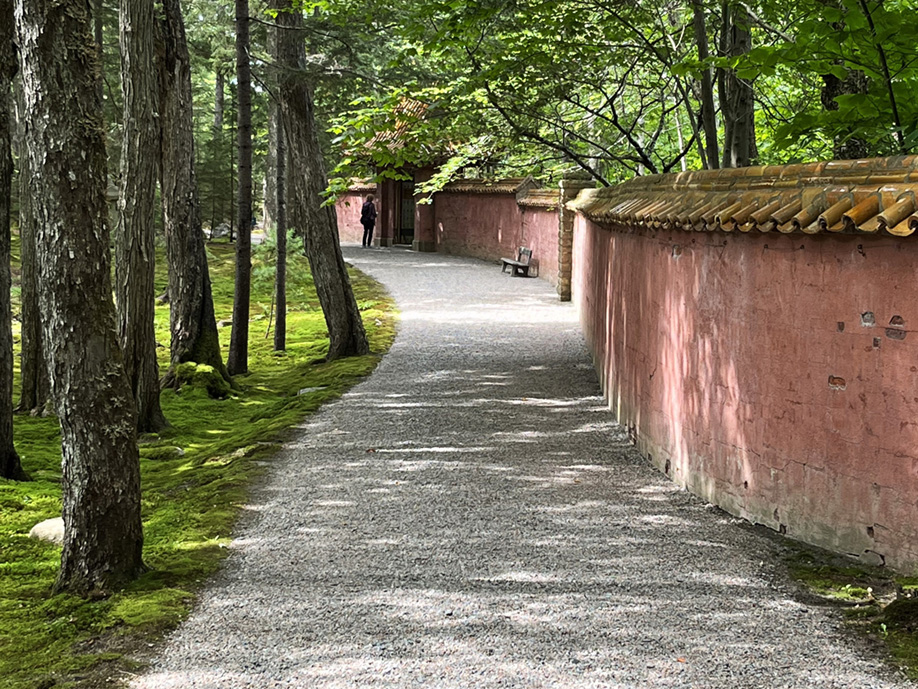
by Nadie VanZandt, Extension Master Gardener, University of Vermont PANTON – A prominent figure in the history of American landscape design, Beatrix Farrand née Jones (1872-1959) was the mastermind behind the idyllic grounds of the Abby Aldrich Rockefeller Garden on Mount Desert Island in Maine and Dumbarton Oaks Gardens in Washington,[Read More…]
Columns
Even Though we Know What’s Coming
by Willem Lange I’ve never been to Punxsutawney, Pa. – have, in fact, no desire ever to go there. Besides, as I listen to today’s news, I feel that we’re there, all of us, trapped in the film Groundhog Day with Bill Murray, experiencing the same day, over and over, and feeling[Read More…]
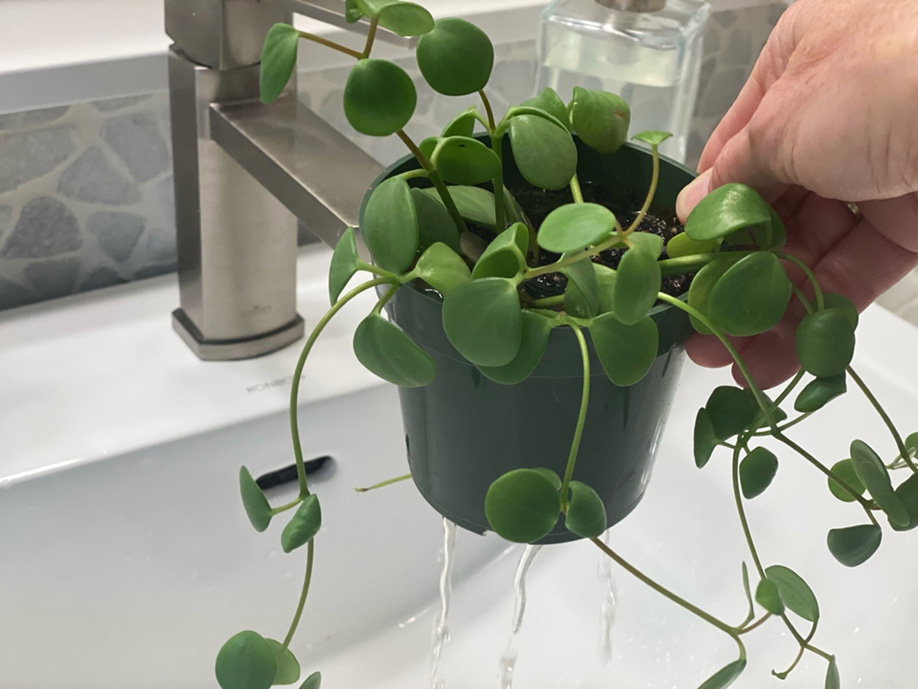
Houseplants are Entering Period of Rest
by Amy Simone, Extension Master Gardener, University of Vermont SOUTH BURLINGTON – Those lovely houseplants that clean the air and add beauty to our homes are primarily tropical natives. In the spring and summer, we can (sort of) convince them that they are still swaying in the breeze on the[Read More…]
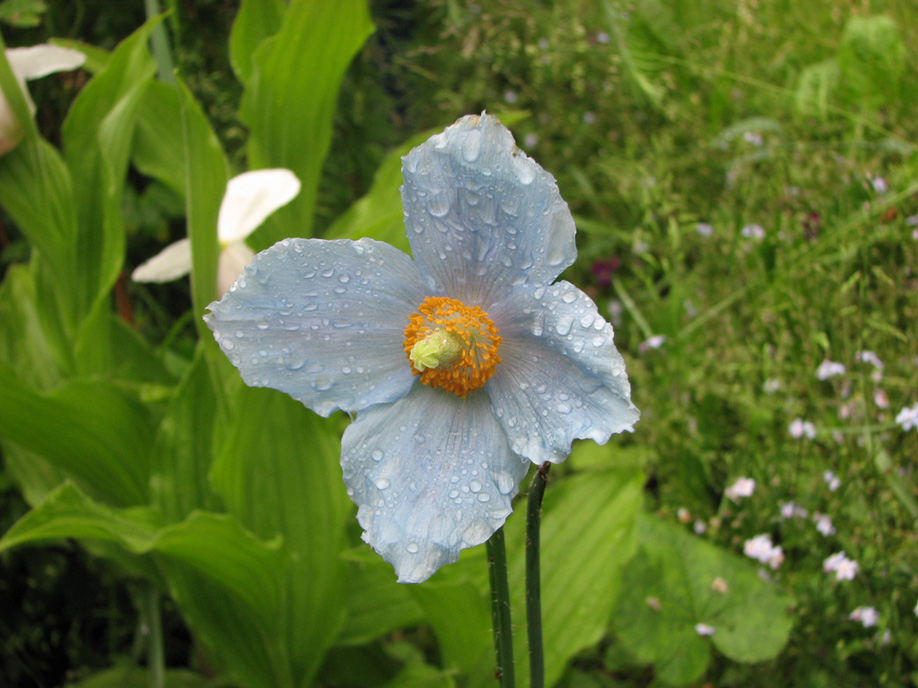
Reflections on 25 Years of Writing a Gardening Column
by Henry Homeyer CORNISH FLAT, N.H. – On November 8, 1998, my first gardening column appeared in my hometown paper, The Valley News of West Lebanon, N.H. Since then I have written over 1,200 weekly columns and answered countless questions from readers. I am 77 years old, and plan to[Read More…]

Muscling Through Migration
by Doug Facey BURLINGTON – During the autumn months, many birds migrate from their summer breeding grounds in the Northeast to warmer wintering areas south of our region. Migratory birds include many species of raptors and waterfowl, which we often notice because of the birds’ large size and their tendency[Read More…]
It’s a Persuasive Incentive
by Willem Lange EAST MONTPELIER – A few months ago my companion Bea (a very charming widow of whom you have heard me speak previously) was chatting with a divorced friend and happened to mention that she was keeping company with an elderly widower. “Does he live near you?” the[Read More…]
Prepare Fruit Trees for Winter
by Deborah J. Benoit, Extension Master Gardener, University of Vermont NORTH ADAMS, Mass. – Autumn is well underway. The leaves are falling, and it’s time to put the garden to bed in anticipation of the coming season. If you have fruit trees in your garden, especially young ones, preparing them[Read More…]
They’ll Never Gain
by Willem Lange EAST MONTPELIER – For years and years folks got along with an old grandfather’s clock, Or just a common old sun dial sittin’ out on a block. Then the dollar watch it had its day and wrist watch it was fine. Then along came a man who[Read More…]
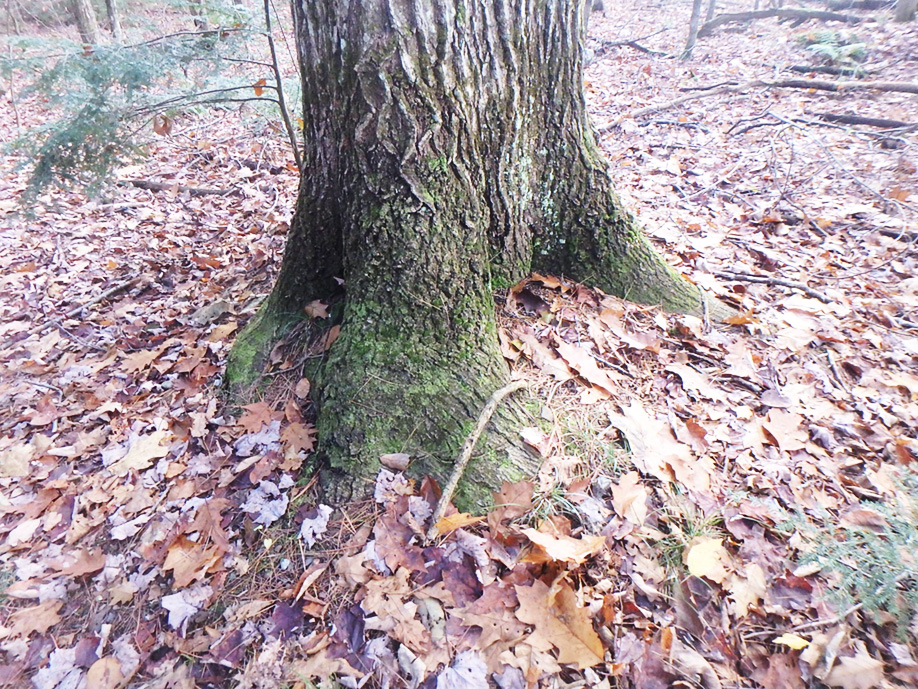
Late Fall Chores in the Garden
by Henry Homeyer CORNISH FLAT, N.H. – For many of us, November is a drab and dreary month: days are short, gray skies the norm. Flowers are largely gone, the soil is soggy and a drizzle or a downpour is common. Soon snow will not be unusual: we’ve already seen[Read More…]

Buckthorn is Tenacious Invasive
by Jenna O’del COVENTRY, R.I. – Of all the non-native, invasive plants in the Northeast, buckthorns are among the most hated by forest stewards. There are two types of invasive buckthorn in our region: glossy buckthorn (Frangula alnus) and common buckthorn (Rhamnus cathartica), also called European buckthorn. Both plants grow[Read More…]

Garden Journals Should Have Seven Essentials
by Deborah J. Benoit, Extension Master Gardener, University of Vermont NORTH ADAMS, MASS. – Whether you choose a ready-made book, a calendar with plenty of room for notes or a three-ring binder to keep it all together, there are some things you’ll find incredibly helpful to keep track of in[Read More…]
Fall Pruning
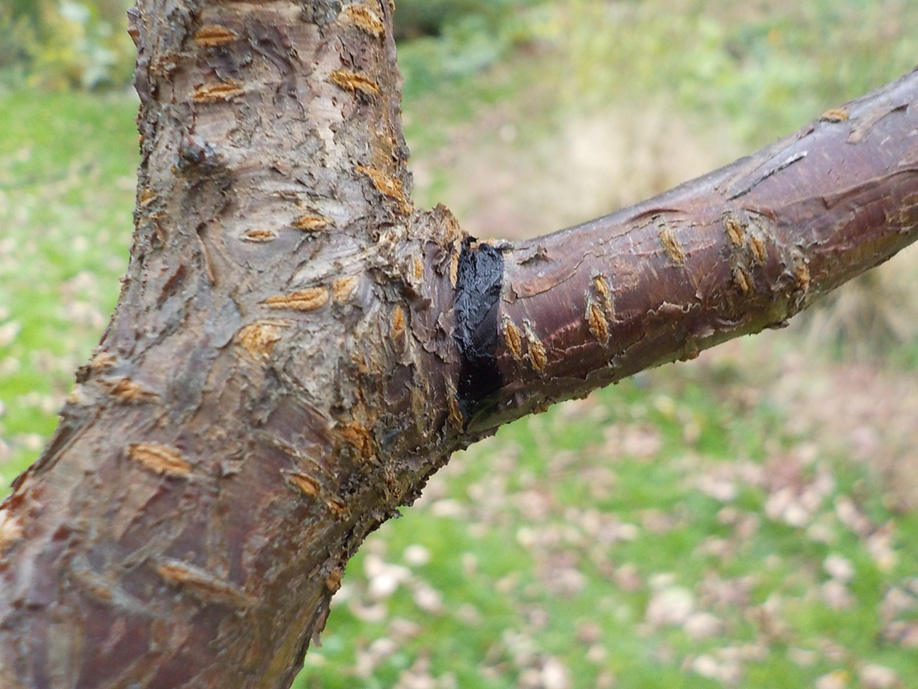
by Henry Homeyer CORNISH FLAT, N.H. – I asked an experienced arborist the other day what he thought about pruning apple trees in the fall. His answer was the same as mine: “Prune when you have time and the pruners in your hand.” Yes, March is a good time to[Read More…]


