
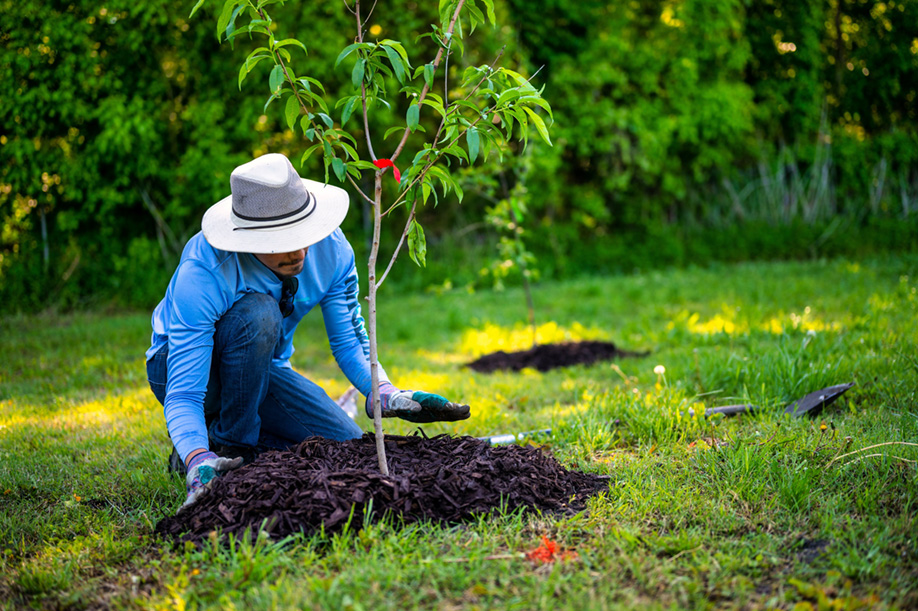
by Deborah J. Benoit, Extension Master Gardener, University of Vermont NORTH ADAMS, Mass. – Trees provide us with many gifts: shade, wind breaks, erosion control, beautiful foliage, an invitation to birds and other wildlife and, in the case of fruit or nut trees, something tasty to harvest. Like other perennial[Read More…]
Columns
Pick Today? Pick Tomorrow? Pick Next Week?
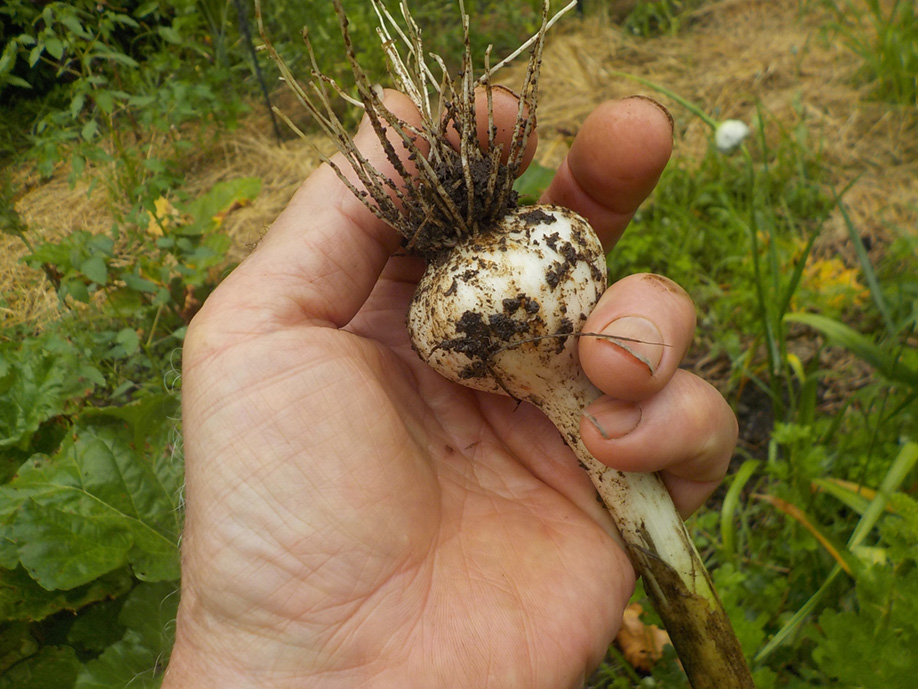
by Henry Homeyer CORNISH FLAT, N.H. – Those of us who grow vegetables are faced with many questions each year: will there be a late frost that will harm our tomatoes and peppers if we plant them on Memorial Day weekend? Is it time to harvest garlic now, since they[Read More…]
Blossom End Rot Puts Tomatoes in Trouble
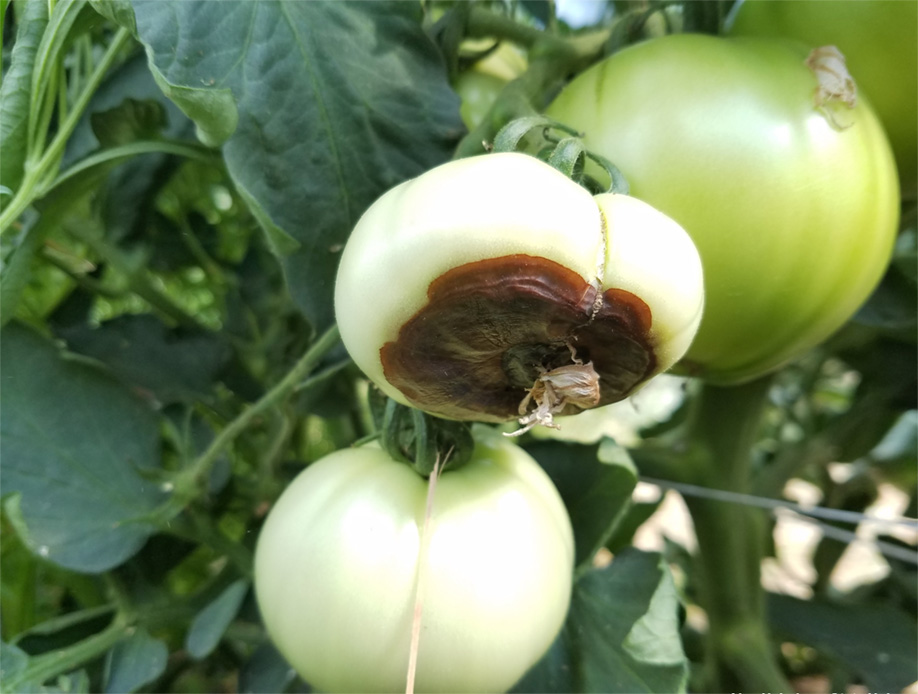
by Ann Hazelrigg, Extension Plant Pathologist, University of Vermont BURLINGTON – As you harvest the first tomatoes of the season, you may notice that some of the fruit is not perfect. Blossom end rot, a physiologic disorder, results in dry, sunken, brown areas on the blossom end or bottom of[Read More…]
Like a Chimpanzee with an AK-47
by Willem Lange EAST MONTPELIER – At some point in the trip – maybe while plowing through rush-hour traffic on old Route 1 south of Portland; maybe dining on fettuccine and meatballs in an Italian restaurant in teeming Windham; maybe approaching my fourth toll booth on the Maine Turnpike –[Read More…]
Total Eclipse of the Duck
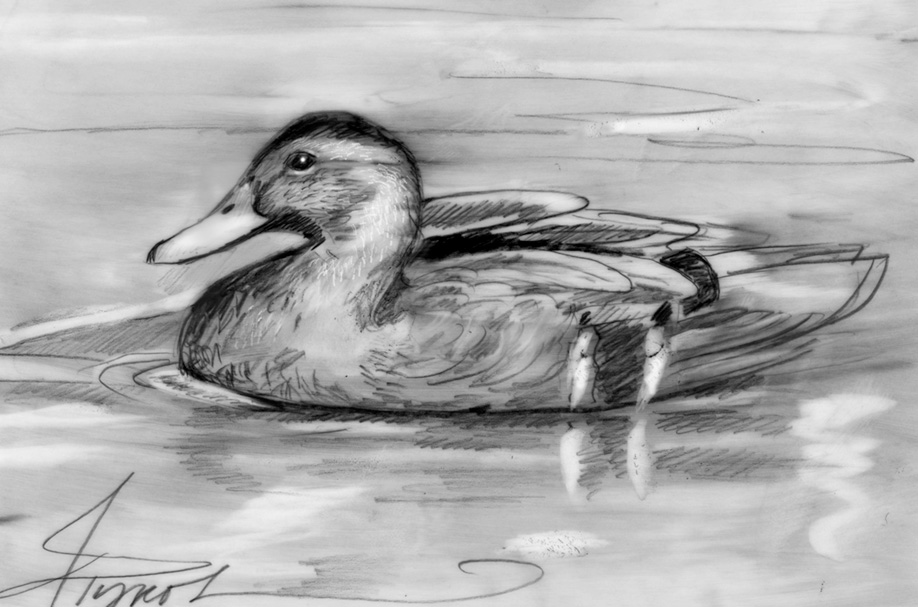
by William von Herff CAMBRIDGE, Mass. — For most of the year, it’s hard to find a pond without at least a few mallards swimming around. These ducks, with their green-headed drakes and streaky brown hens, are among the most common water birds throughout the Northeast. In spring and fall,[Read More…]
If I Were to Name Her Now
by Willem Lange “I have a little shadow that goes in and out with me…” Robert Louis Stevenson EAST MONTPELIER – We passed Stevenson’s row house a couple of years ago in Edinburgh, prompting my mind to dig up “My Shadow,” which we learned as kids. (A bit farther on,[Read More…]
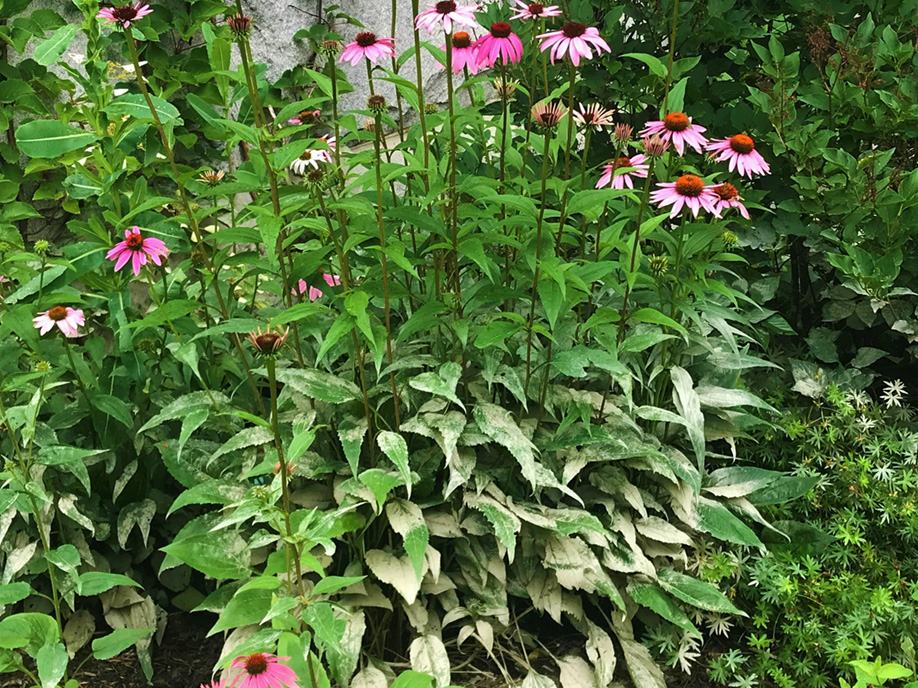
Managing Flood Damage in Landscape Gardens
BURLINGTON – If recent storms caused a landscape garden to flood, you may be wondering if your plants and trees will rebound, or survive at all. Full recovery depends on a number of factors including the type of plants, your soil type and length of time that plants were standing[Read More…]

Spicebush Swallowtails are Beautiful and Defensive
by Colby Galliher At first, I suspected it was the deer that had almost completely defoliated the northern spicebush sapling I had planted just weeks earlier. Only days prior, it had been brimming with new growth, and now all that remained were two leaves wrapped into cigarlike cylinders. Curious, I[Read More…]
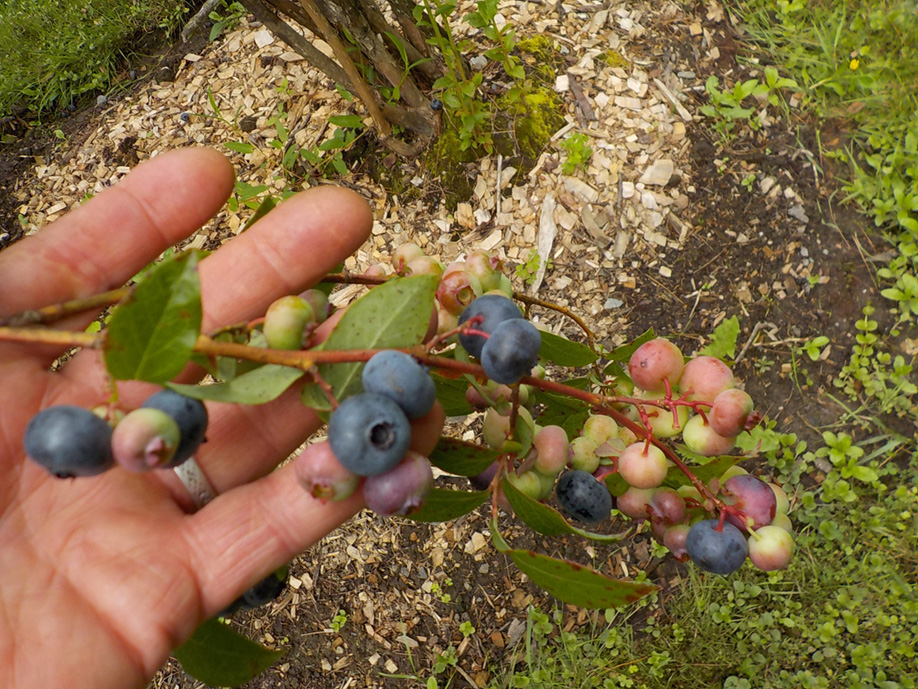
Sal, of Blueberry Fame, Is Getting Old
by Henry Homeyer CORNISH FLAT, N.H. – Have you ever wondered what would happen after a story ends? I have. The children’s book “Blueberries for Sal” came out in 1948 and has been a hit for 75 years. If Sal was four years old in the book, she must be[Read More…]

Helping Lawns Recover After Flooding and Rain
BURLINGTON – Rain-soaked lawns and turf that have been damaged by being underwater for long periods of time, or left covered in silt as flood waters retreat, will need extra TLC in order to recover, according to the University of Vermont (UVM) Extension Community Horticulture program. If a lawn is[Read More…]
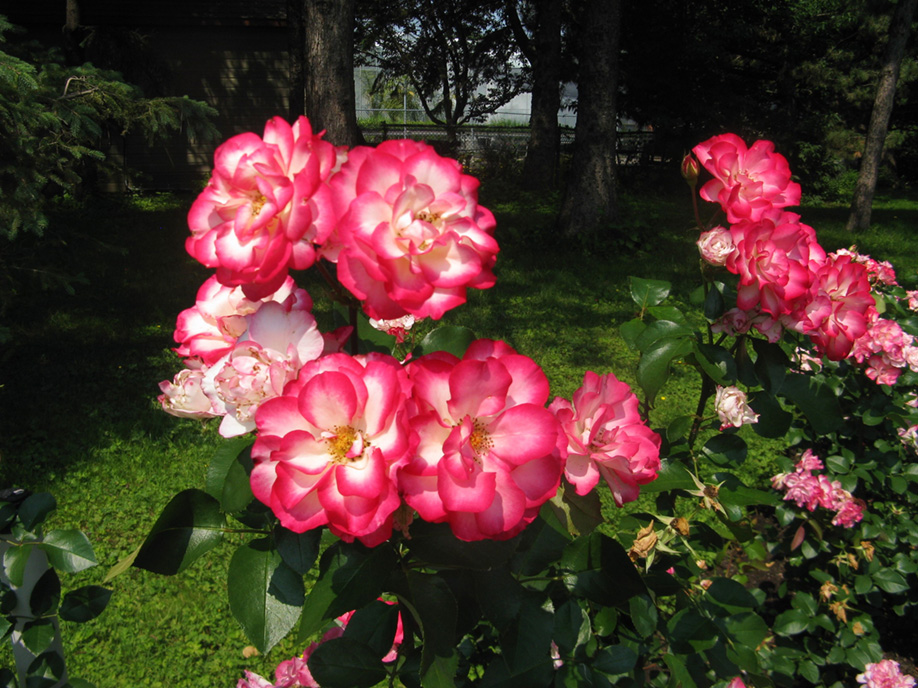
Planning a Rose Garden Begins with Location
by Deborah J. Benoit, Extension Master Gardener, University of Vermont NORTH ADAMS, Mass. – Who doesn’t love the smell of roses (Rosaceae) and the beauty of a rose bush in full bloom? When planning a rose garden, the first thing to consider is location. This includes not only how large[Read More…]
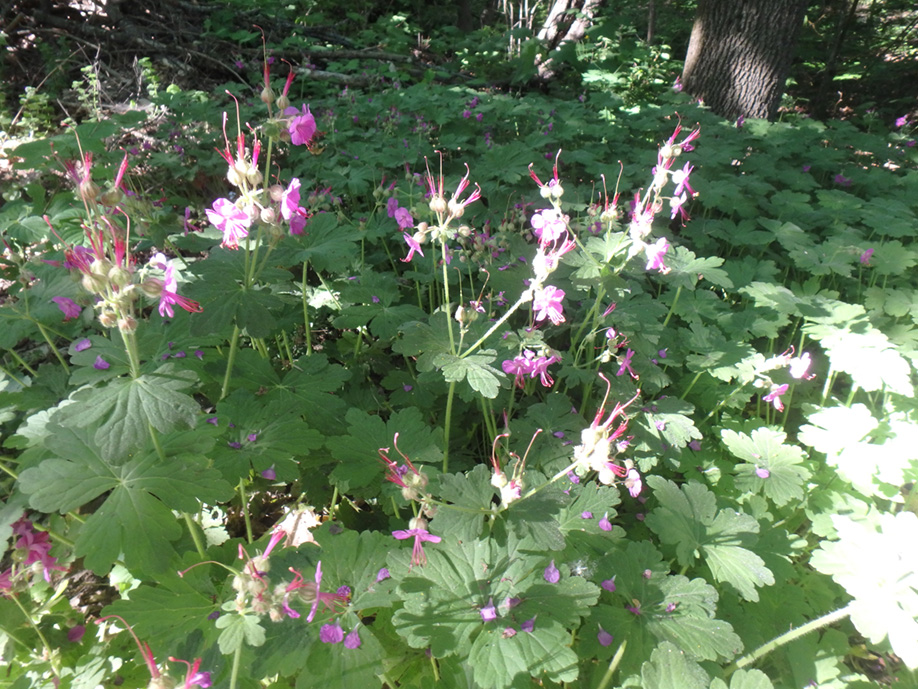
How to Reduce Your Time Weeding
by Henry Homeyer CORNISH FLAT, N.H. – The recent rains have kept many gardeners from getting outdoors to weed, and weeds have loved the rain and are growing like Boy Scouts on “Free Ice Cream Day” at the Ben and Jerry’s factory. But don’t give up. Weeds also pull well[Read More…]


