
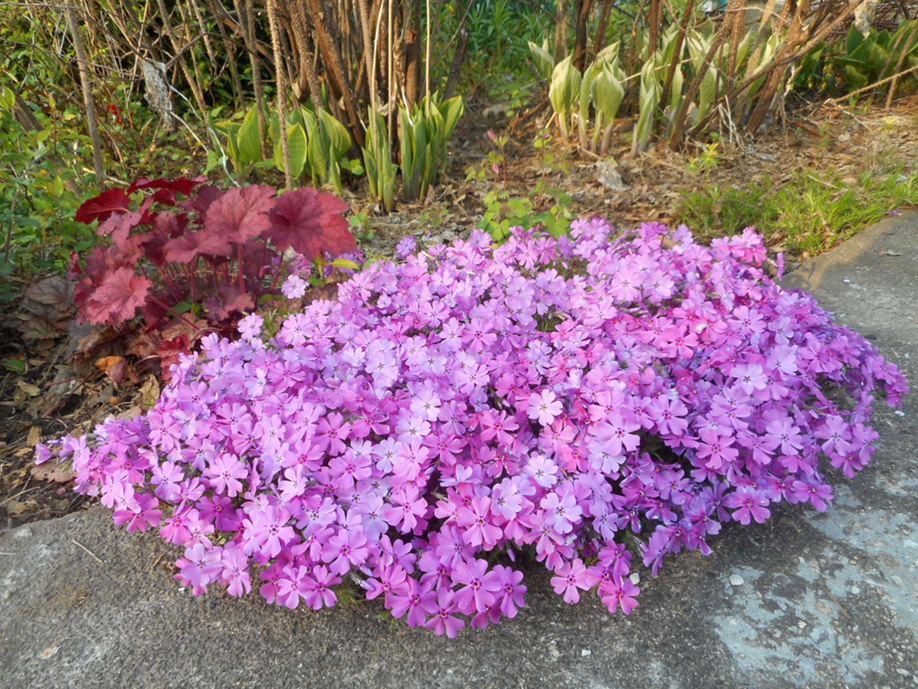
by Deborah J. Benoit, Extension Master Gardener, University of Vermont NORTH ADAMS, Mass. – You’ve probably heard plants described as annual, biennial or perennial. You may have even heard some called a “tender perennial.” When planning a garden, knowing the difference can help you decide which type of plants you[Read More…]
Columns
I Found the Job not at all Unpleasant
by Willem Lange EAST MONTPELIER – It’s an old New England tradition, when you’ve been invited to visit someone, to adjure them not to fuss. I’ve just spent the weekend at a class reunion at my old school, and I can tell you: They fussed! It’s hard to imagine how[Read More…]

Summer Lights: It’s Firefly Season
by Laurie D. Morrissey HOPKINTON, N.H. – Here come real stars to fill the upper skies, / And here on earth come emulating flies, / That though they never equal stars in size, / (And they were never really stars at heart) / Achieve at times a very star-like start…[Read More…]
Learning from Other Gardens
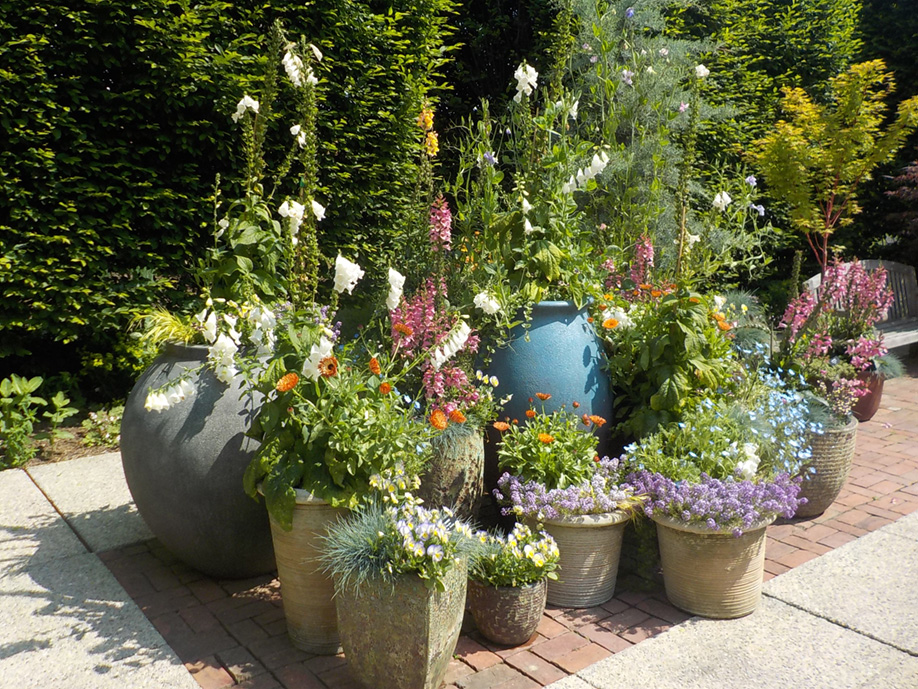
by Henry Homeyer CORNISH FLAT, N.H. – One of the best ways to learn how to create a lovely garden is to see others. Visit good gardens of neighbors, great gardens near and far. I recently visited three great gardens and, as always when viewing other gardens, they gave me[Read More…]
The Best Laid Plans…
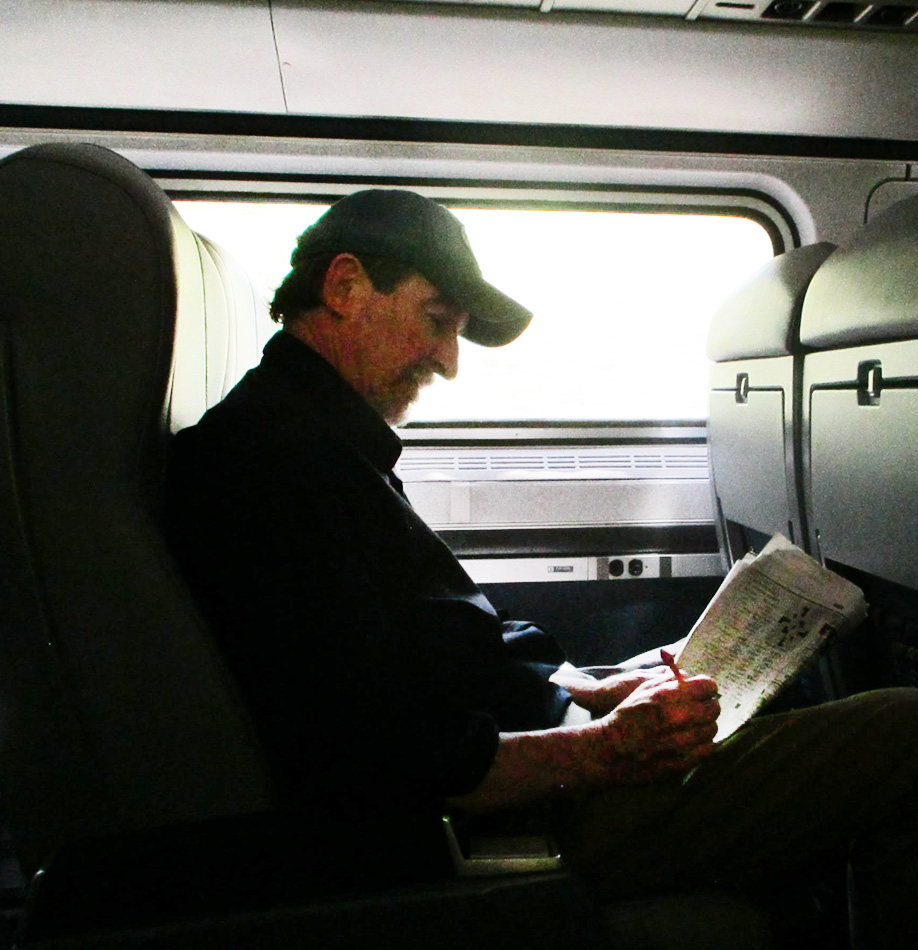
by Karen Klotz HARDWICK – Our weekend was carefully planned. Friday we would take the Vermonter to New York City where we would disembark downtown at Penn Station. We would then take a subway to the hotel where we would meet our son, daughter-in-law and granddaughter for a weekend of[Read More…]
Language Classes Explore Montreal Culture Beyond the Bagel
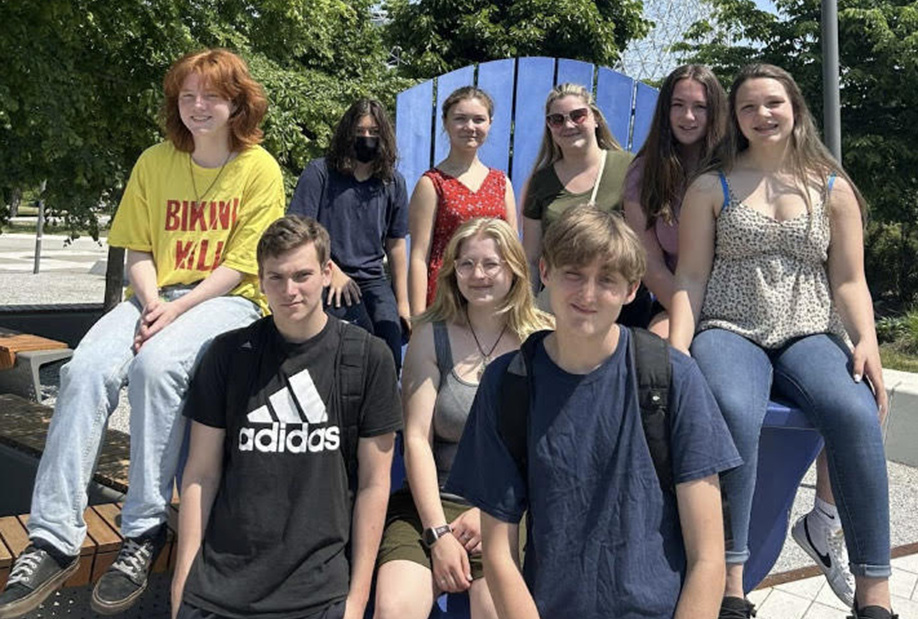
by Abe Leveilee On the afternoon of Tuesday, May 30, a group of language students from Hazen Union High School, including myself, departed for Montreal for a week-long cultural immersion. We did various things in that week-long window: museum tours, souvenir shopping, and Botanical Garden walks, to name a few,[Read More…]
What? Are You Still Here?
by Willem Lange EAST MONTPELIER – This will be the week of my 70th high school reunion, a joyous occasion, though diminished a great deal by the absence of deceased classmates and others who for one reason or another won’t make it. Increasingly, as Time’s wingéd chariot draws near, reunions[Read More…]
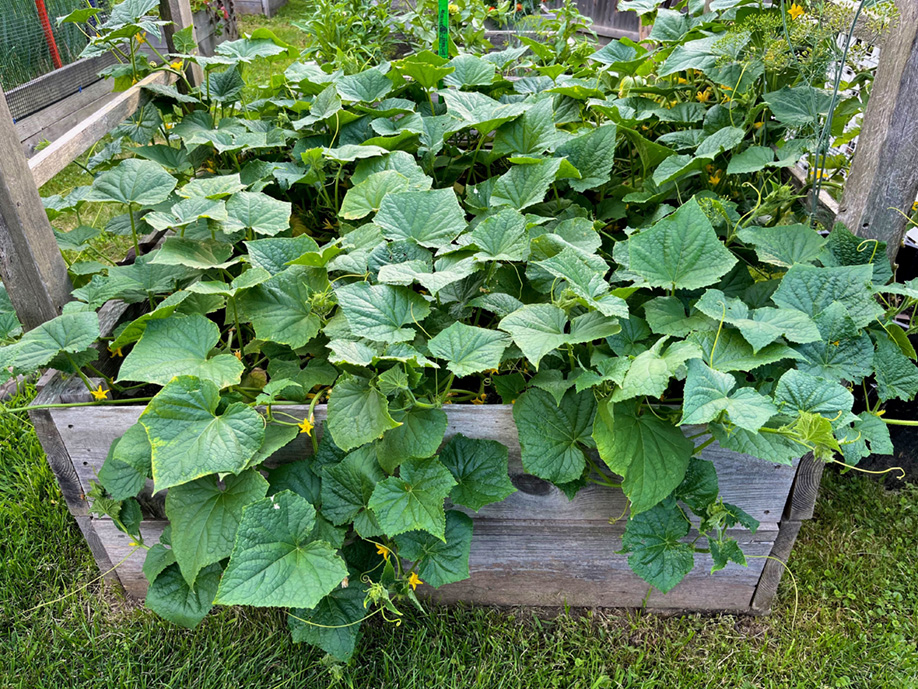
No-Till Raised Beds Means Low Maintenance Gardening
by Bonnie Kirn Donahue, Extension Master Gardener, University of Vermont NORTHFIELD – Raised beds are a great way to minimize effort and maximize enjoyment of vegetable and flower gardens. Plants grown in raised beds are easier to access because they are higher off the ground and have less surface area[Read More…]
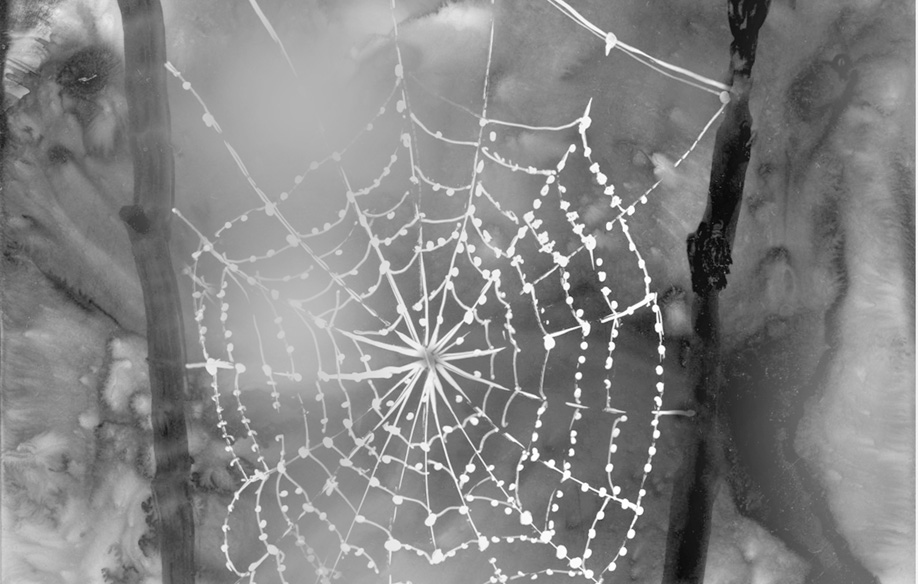
Of Dewdrops and Spider Webs
by Rachel Sargent Mirus DUXBURY – On a foggy morning walk, it may seem as if the spider webs on your path have turned into jeweled wonders, every thread a string of gems as smooth as pearls and as sparkling as diamonds. Each of these jewels is a drop of[Read More…]

The Tomato: Queen of the Garden!
by Henry Homeyer CORNISH FLAT, N.H. – For me tomatoes are the best tasting, most important vegetable I grow. I eat them raw in salads and sandwiches or cooked in soups and stews. I dehydrate some, I freeze many whole, and I make some sauce for quick dinners in winter.[Read More…]
Sort of a European Lake Placid
by Willem Lange EAST MONTPELIER – On paper, the Connecticut River and the Rhone don’t look all that different. Each of them is about three hundred miles long from the town nearest its source (Pittsburg and Chamonix) to its debouchement into the sea (Long Island Sound and the Mediterranean). Their[Read More…]

Create a Biodiverse Vegetable Garden with Companion Planting
by Nadie VanZandt, Extension Master Gardener, University of Vermont PANTON – When planning this year’s vegetable garden, consider companion planting with flowers and herbs. It’s a rewarding way to attract pollinators, manage pests and promote biodiversity in your garden. The practice will improve your soil’s health and the quality of your[Read More…]


