
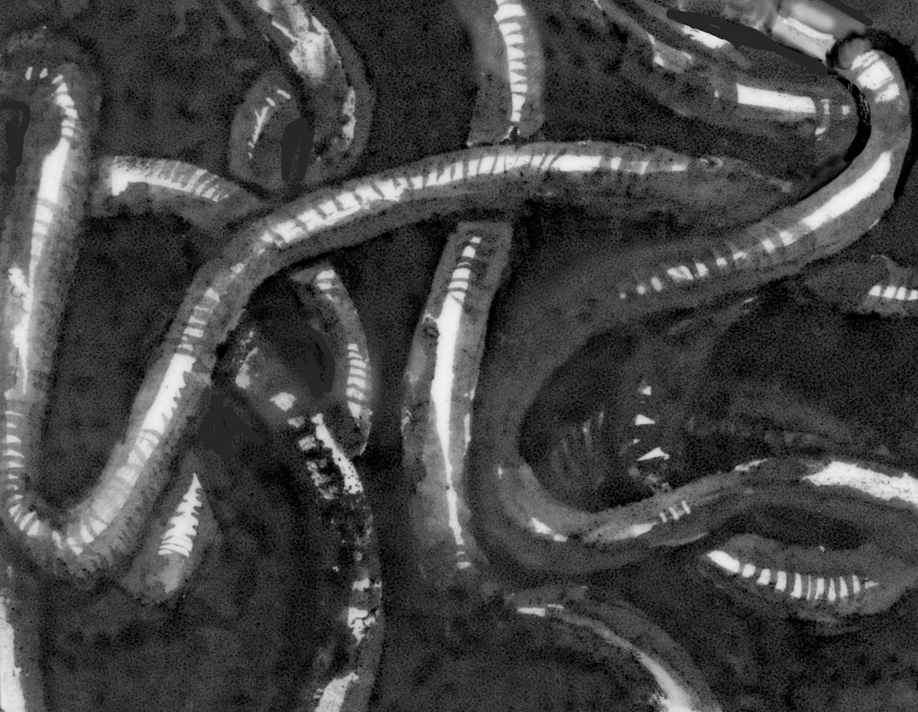
by Jen Weimer HILLSBOROUGH, N.H. — We’ve all heard the idiom, “The early bird gets the worm.” When it comes to invasive jumping worms, unfortunately, there are more than enough to go around. These invasive worms can consume excessive amounts of organic matter and leaf litter in a garden or[Read More…]
The Outside Story
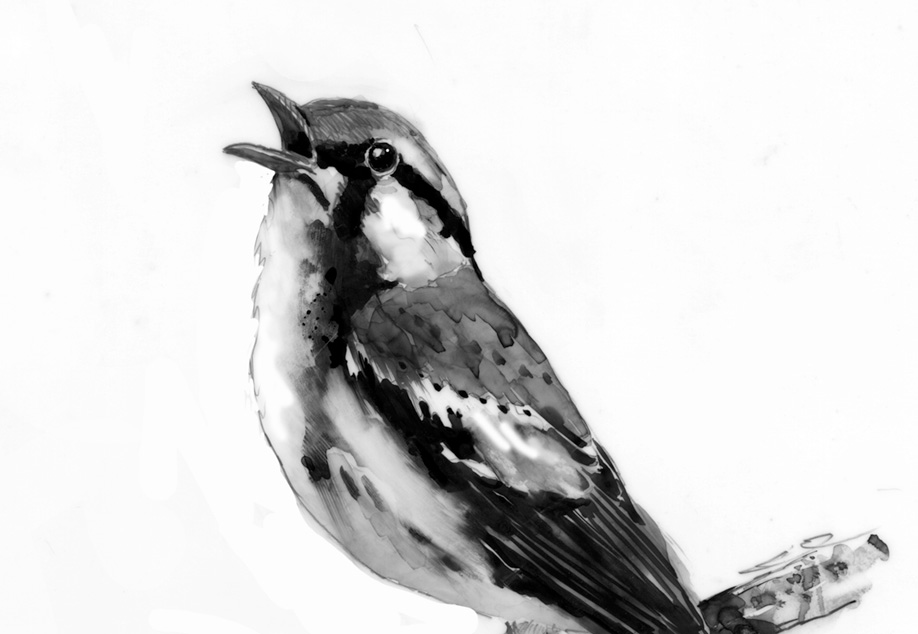
Meet the Chestnut-Sided Warbler
by Susan Shea RANDOLPH – While planting the vegetable garden last May, I heard a repeated bird song emanating from the adjacent raspberry patch: “Pleased, pleased, pleased to MEETCHA.” Finally, the small songster perched near the tip of a raspberry cane, its tail cocked. The bird’s yellow crown, black mask,[Read More…]

Queen Season: Bumble Bees in Spring
by Kenrick Vezina LOWELL, Mass. — Hear ye, hear ye! The queens have emerged! We’re talking about bumble bees (genus Bombus). For several weeks each spring, any bumble bee you see is a queen – and very hard at work. She must construct her kingdom. Her mother (the previous queen),[Read More…]
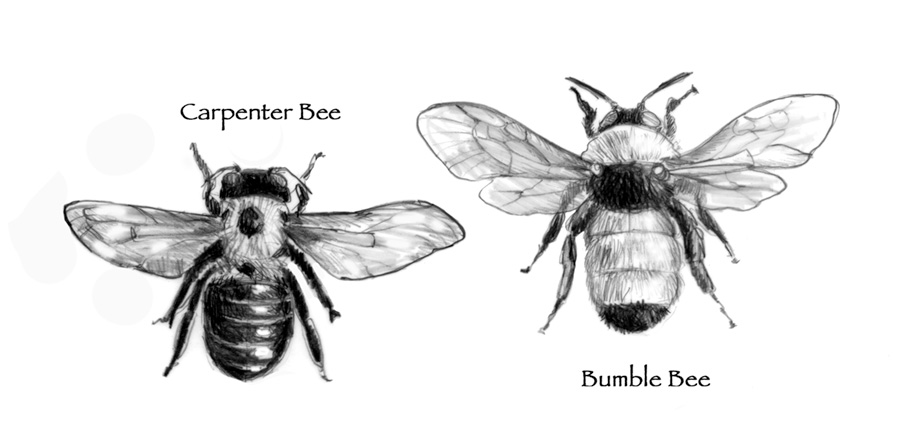
The Carpenters Arrive in Spring
by Jen Weimer HILLSBOROUGH, N.H. — Why do ants suddenly appear every time Spring is near? Just like bees, they long to be close to you – especially if your home is made of wood. Carpenter ants (genus Camponotus) and the eastern carpenter bee (Xylocopa virginica) both nest in wood[Read More…]

Is Clover a Flower or Weed?
by Laurie D. Morrissey HOPKINTON, N.H. – Call it a flower or call it a weed, clover is a plant everyone knows. Who hasn’t idled away an hour hunting for a four-leaf clover, hoping for good luck? A member of the legume family, clover is common in lawns and fields,[Read More…]
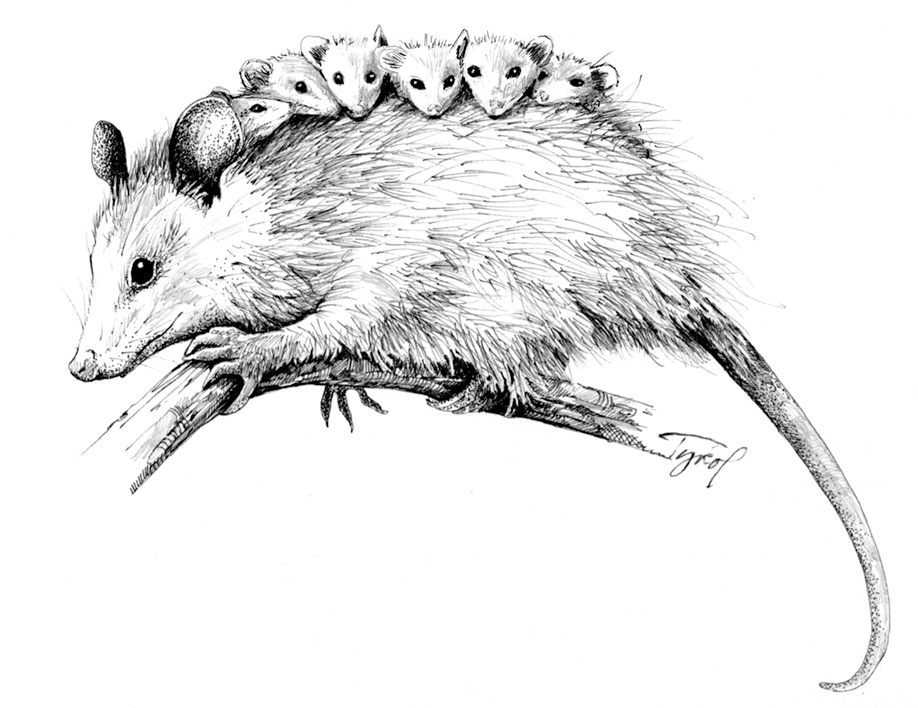
Lessons Learned from Raising a Baby Opossum
by Susan Shea BROOKFIELD – Years ago, when I worked at a nature center in Connecticut licensed to care for injured and orphaned wildlife, a baby opossum was brought to us. It was found lying on a golf course, and was too young to be on its own. We named[Read More…]

The Amazing Bird Egg
by Laurie D. Morrissey HOPKINTON, N.H. – I’m often tempted to peek at the eggs inside a phoebe’s nest when the parents leave it to forage for food. I’ve picked up a fallen robin’s egg shell and admired its delicate color and smoothness. I’ve marveled at the primal determination of[Read More…]

Bring in the Bird Feeders – and Other Ways to Avoid Bear-Human Conflict
by Meghan McCarthy McPhaul FRANCONIA, N.H. – It is a question I face each year as March winds into April: when to take down the bird feeder. Our avian feeding station is basic: a single run-of-the-mill hopper, which I fill with a local mix of seed that seems to keep[Read More…]
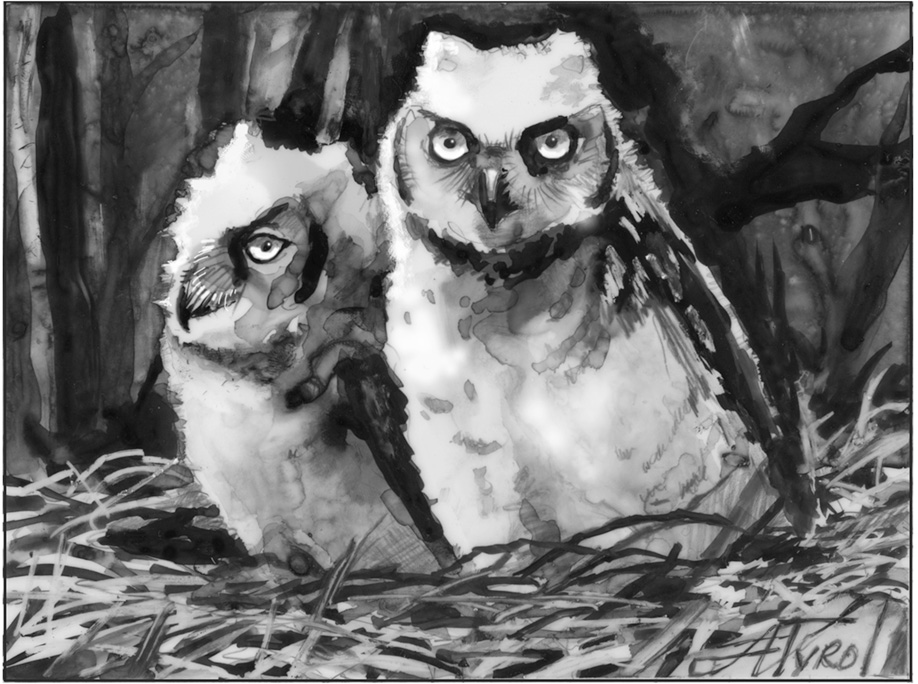
Owls on the Nest
by Anna Morris QUECHEE — Among the very earliest signs of spring are the strange caterwauls of the barred owls that haunt our woods: “Who cooks for you? Who cooks for you all?” Their hooted conversations, thrown back and forth through forests all over New England, signal the territory disputes,[Read More…]

The Unsung Music of Birds
by Kenrick Vezina LOWELL, Mass. — With spring creeping closer, our year-round avian residents such as cardinals and titmice are already raising their voices. But there’s more than one way to make music, and birds have evolved means for using everything at their disposal to fill our forests with whistles,[Read More…]
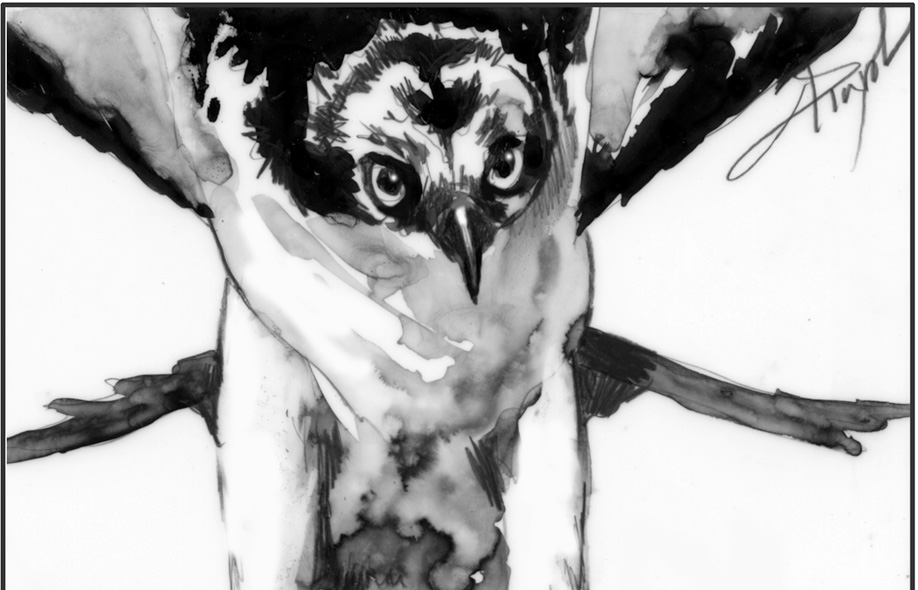
Return of the Ospreys
by Meghan McCarthy McPhaul FRANCONIA, N.H. – On my commute to the Northern Woodlands offices in Lyme, N.H., I pass a long-established osprey nest, perched atop a very tall electric tower next to Route 302. This location offers the ospreys a view of their surroundings and provides me with a[Read More…]
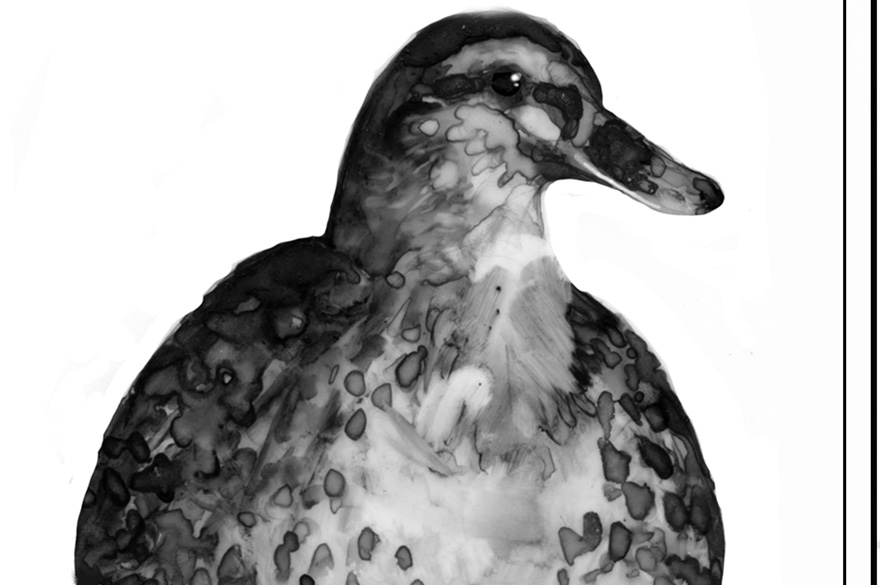
Winter Survival Means Keeping the Heat
by Doug Facey BURLINGTON – To survive the cold of winter, some animals take advantage of protected habitats, such as wooded areas or under a blanket of insulating snow. Ruffed grouse, for example, fly into piles of loose snow and create roosting cavities to rest in when not foraging. Mice[Read More…]


