
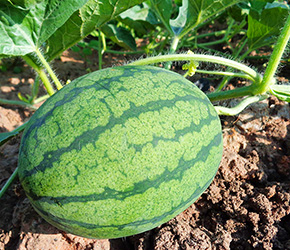



NORTH ADAMS, Mass. – There are few things as refreshing on a hot summer day as a slice of watermelon (Citrullus Lanatus). At over 90 percent water, watermelons are a tasty way to keep hydrated with an added bonus of vitamins and minerals.
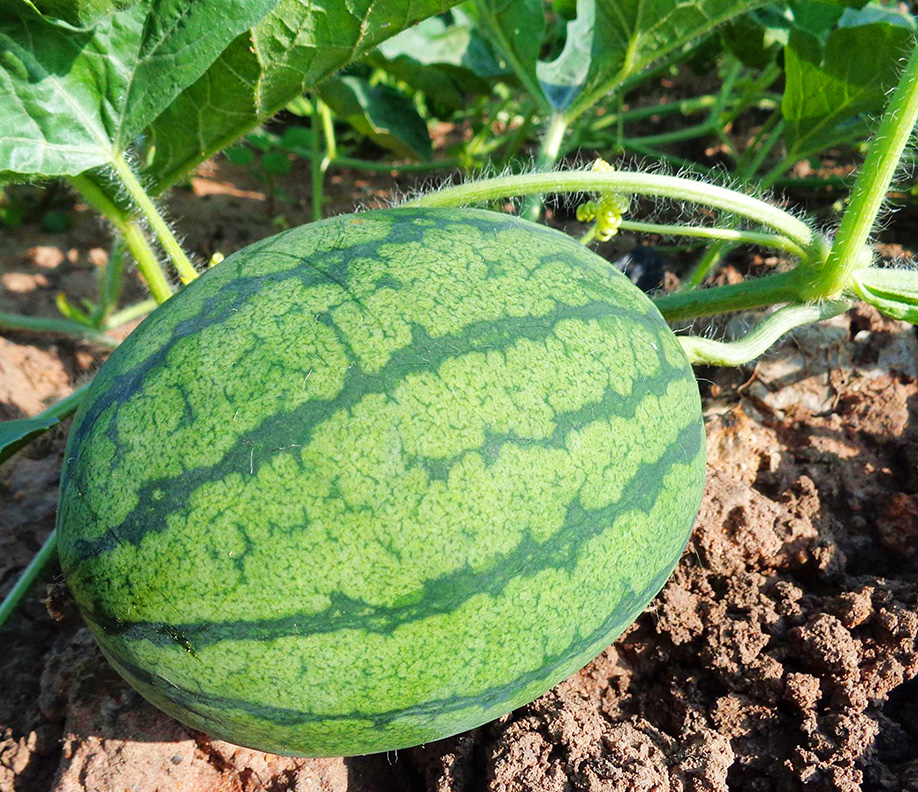
courtesy photo
For those who would like to try a hand at growing watermelon, they’ll need a location with rich, well-draining soil that receives at least six hours of direct sun daily. A soil test can provide recommendations for fertilizing. There should be sufficient space for the chosen variety. Smaller watermelons could be grown vertically, training the vines to climb a sturdy trellis with support such as slings for the fruit.
The biggest decision will be choosing which variety to grow: heirloom or hybrid variety? Full-size melons or one just big enough for a person or two? There are seeded and seedless varieties. Choices include the familiar, red-fleshed watermelon as well as orange, pink, yellow or white varieties.
Before a final decision, check the days to harvest for the variety considered. Be sure there are enough days in the growing season for the watermelon to mature and be ready to harvest.
To do so, determine the anticipated last and first frost dates. The number of days between those dates is the length of the growing season. To find the average last and first frost dates for a location, go to garden.org/apps/frost-dates.
Since watermelons require warm temperatures, sowing seeds or transplanting seedlings two weeks after the last frost date is recommended. The variety chosen should be ready to harvest within that number of days or a killing frost in the fall could put an end to the plants before harvest.
Prepare the watermelon bed by removing weeds and adding any needed soil amendments. A layer of mulch can help prevent weeds and keep moisture levels in the soil more consistent.
To direct sow watermelon seeds, plant several seeds, each an inch deep, in groups four to five feet apart. Once seedlings have emerged, choose the strongest, healthiest plant and thin seedlings to one per group. See the seed packet for variety-specific information.
If starting seeds indoors or planning to purchase starter plants, be sure to harden them off before transplanting. Once the soil temperature is above 60 degrees Fahrenheit, move plants to the garden. For best results, try to disturb the roots as little as possible.
The soil should receive a deep soaking of water, one to two inches a week, either from rain or supplemental watering. When watering, avoid getting the foliage wet as this could lead to disease issues. Overwatering close to harvest could result in the fruit splitting.
There are several ways to determine when a watermelon is ready to harvest. The skin color becomes dull. Tendrils near the watermelon dry out and become brown. The area on the bottom of the watermelon where it touches the soil yellows.
Watermelons are related to cucumbers, pumpkins and squash, so keep an eye out for pests such as cucumber beetles and squash vine borers.

Deborah J. Benoit
Deborah Benoit is a UVM Extension Master Gardener who volunteers as a garden columnist and for Bennington County Extension Master Gardener Chapter activities.


