



NORTH ADAMS, Mass. – Every gardener wants a healthy, productive garden whether they’re growing vegetables, berries or flowers. While some problems are outside our control, there are a number of things to do to help keep a garden healthy all summer long.
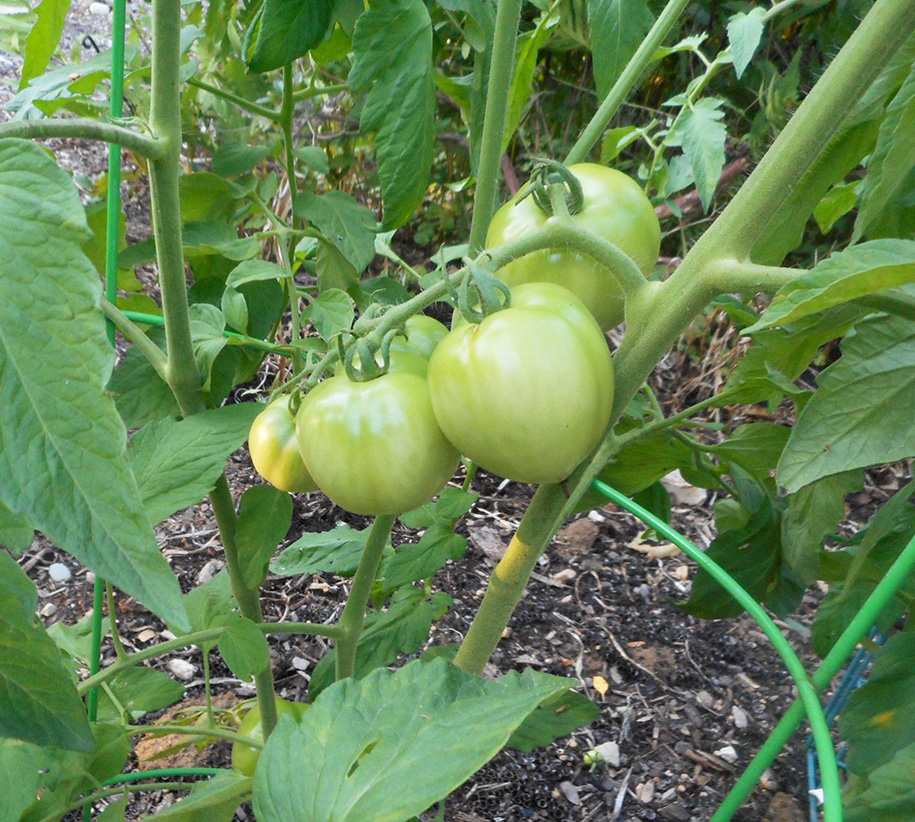
photo by Deborah J. Benoit
Start with healthy soil. Have a soil test done. Taking a sample is easy, and the test is inexpensive.
While testing soil before planting is ideal, it can be done at any time. The results can tell about soil pH, available phosphorus (P), potassium (K), calcium (Ca), magnesium (Mg), micronutrients and more. It will recommend nutrients needed to benefit the plants so there is no waste of time and money applying unneeded fertilizer.
A soil test will also recommend amendments that can be added to soil before or after the growing season. For more information, see go.uvm.edu/soiltest.
The second thing to consider is light. Most edible crops require full sun for at least six to eight hours daily. Low light can result in slower growth and lower yield. If a yard receives insufficient sunlight for the plants to grow, consider switching to an elevated bed or containers, which can be set up in the best growing location.
When purchasing starter plants, it’s easy to underestimate how much space they will eventually need. Plant according to their mature size to allow sufficient room for growth.
Overcrowding in the garden makes plants compete for available water, nutrients, room to grow and light. One plant may block the sun from others. Overcrowding may make plants more susceptible to diseases and other problems and make it difficult to spot them early on.
Be sure to take into account a plants’ need for water. What nature provides may be sufficient for an in-ground garden, but when growing in raised beds or containers, or during dry periods, supplemental watering can make the difference between a healthy garden and a lack of flowers or poor harvest.
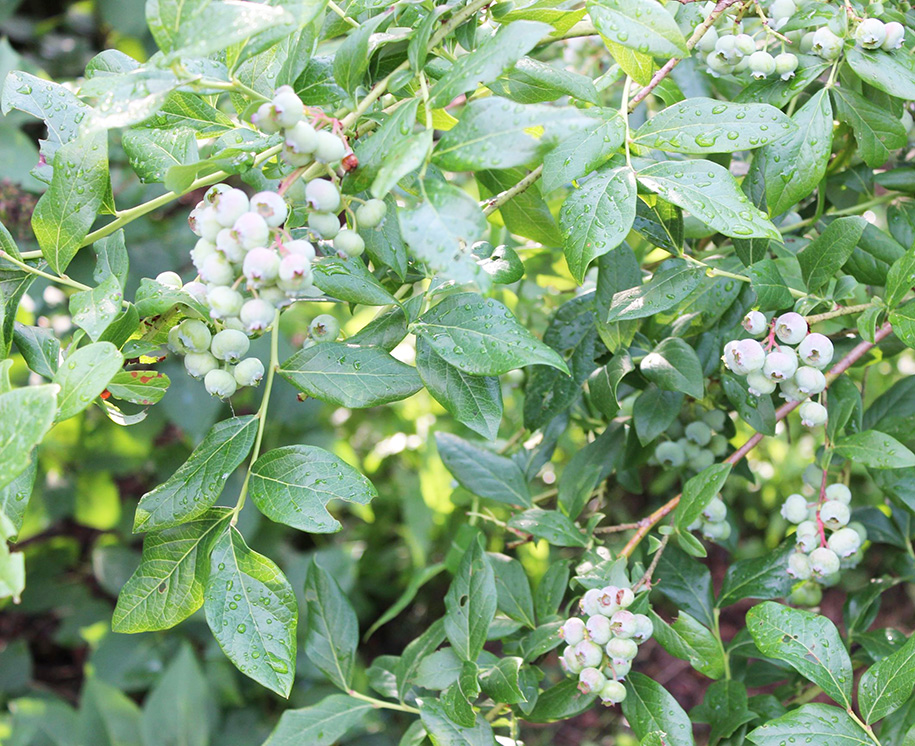
photo by Deborah J. Benoit
When watering, a good, deep soaking is more beneficial to plants than frequent, shallow watering. As an alternative to manual watering, drip irrigation can help conserve water through less evaporation, get water to the roots where it’s needed and help keep the soil’s moisture level more consistent.
Applying a layer of mulch on the surface can help retain moisture in the soil. In addition, mulch can help keep soil and roots cooler during excessive summer heat.
Mulch will also help discourage the growth of weeds and can make those that do appear easier to pull. Weed regularly, before they get large enough to compete with what you’re growing. Never let weeds go to seed.
Create a compost pile to recycle yard waste and kitchen scraps. Compost can also be used as topdressing to help suppress weeds as an alternative to other types of mulch. For more information on composting, see go.uvm.edu/the-dirt-on-compost.
For those who need help identifying or dealing with a problem or just have a question about home gardening, consult the volunteers at the University of Vermont Extension Master Gardener Helpline. Call (802) 656-5421 (Thursdays, 9 a.m. to 12 p.m.) or submit questions online anytime from April to October at /go.uvm.edu/gardeninghelp.

Deborah J. Benoit
Deborah Benoit is a UVM Extension Master Gardener who volunteers as a garden columnist and for Bennington County Extension Master Gardener Chapter activities.


