


BURLINGTON – University of Vermont (UVM) Extension and the Vermont Agency of Agriculture, Food and Markets are urging Vermont cherry growers and pick-your-own customers to be on the lookout for the European cherry fruit fly. Although this insect has not yet been detected in Vermont, it has been found in western New York, as well as in Ontario and Quebec, with new infestations detected in 2024.
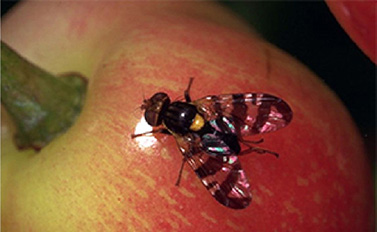
The European cherry fruit fly (Rhagoletis cerasi) is an invasive pest that poses a serious threat to cherry crops. If it becomes established in Vermont, it could have major impacts on both commercial cherry production and backyard trees.
The pest can use both cherry (Prunus) species and honeysuckle (Lonicera) species as its host. While it prefers sweet cherries and honeysuckle as hosts, it also may be found on tart cherries and wild cherries such as black cherry.
The adult fly is about 4 to 5 millimeters long with a shiny black body and distinctive yellow markings. It lays its eggs inside ripening cherries. The larvae feed on the fruit for up to six weeks, making it unmarketable.
Currently, there is a quarantine in New York covering 7,353 square miles and 1,539 acres of commercial cherry production. It includes all of Cayuga, Erie, Genesee, Monroe, Niagara, Onondaga, Ontario, Orleans, Oswego, Seneca and Wayne Counties.
“We’re asking everyone involved with cherries, whether you grow them, sell them or pick them, to keep an eye out for signs of this pest,” says Ginger Nickerson, the UVM Extension forest pest education coordinator. “Early detection is our best defense.”
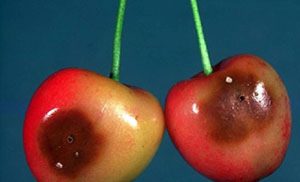
What to Look For:
Tiny puncture marks on the surface of cherries, which may be exit holes left by mature larvae as they emerge from the fruit
Soft, wilted or rotting fruit that may contain larvae
How You Can Help:
Inspect cherries carefully during harvest.
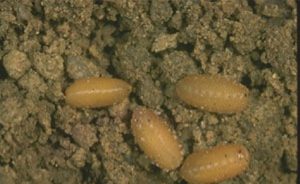
Report any suspicious fruit or insect sightings to vtinvasives.org.
Do not transport fresh cherries or plant material from affected areas.
You can find more information on the U.S. Department of Agriculture Animal and Plant Health Inspection Service’s European cherry fruit fly page (https://go.uvm.edu/cherry-fly).
“By staying alert, Vermonters can help prevent the spread of this pest and protect our fruit farmers,” Nickerson concludes.


