



NORTH ADAMS, Mass. − The celebration of summer is underway, bringing with it peak gardening season. Every day there’s something new to harvest and enjoy. Perennial flowers are in bloom. Blueberries and tomatoes are ripening. Soon you’ll be offering extra veggies to the neighbors.
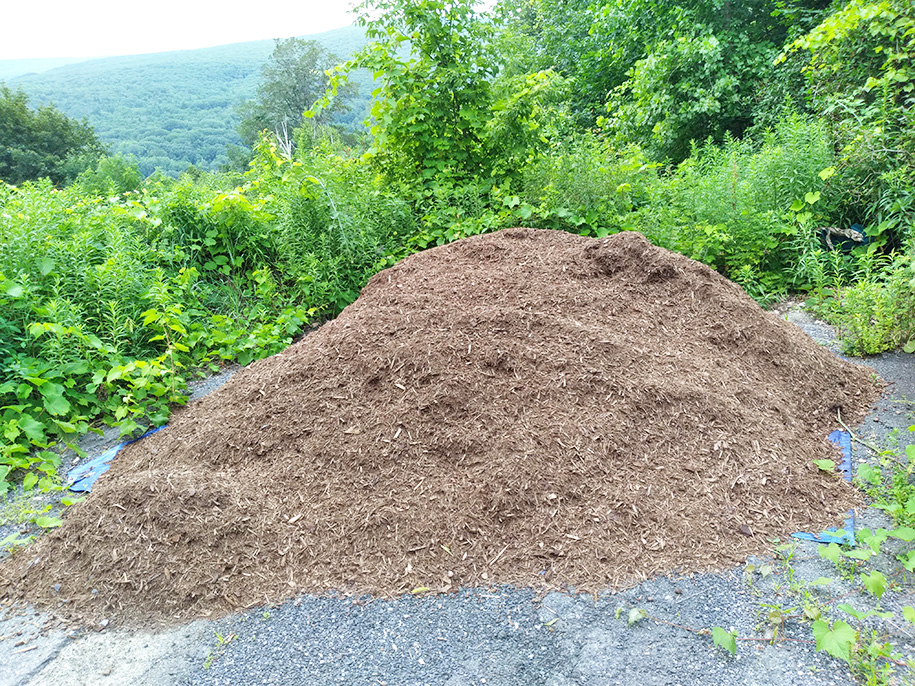
photo by Deborah J. Benoit
Warmer weather also brings with it some challenges in the garden.
High heat and lack of rain can turn a garden from lush to distressed fast. Plants in pots are particularly susceptible since their limited volume of soil will dry out faster, and the temperature of the soil in the pot can rise quickly.
While a gentle summer rain can be refreshing, it’s important to have a plan to keep plants watered and their roots protected from excessive heat during those days when Mother Nature sends unrelenting sunshine and temperatures.
Soaker hoses and drip irrigation are a great help, but if there is not a system already in place, the garden needs to be monitored provided water as needed.
Water generously early in the day. If possible, water the soil rather than foliage for maximum benefit. Don’t be tempted to water a little every day. A deep soaking as needed is far more beneficial since it allows the water to seep into the ground.
Several inches of mulch on top of the soil will help lessen moisture loss due to evaporation, keeping moisture levels more consistent. It will also provide insulation and keep the soil temperature cooler.
Hold off fertilizing a garden during hot, dry weather when plants are under stress. Once conditions are more favorable, apply fertilizer if needed according to package directions.
It may be unfair, but weeds don’t seem to mind the adverse conditions summer can provide. Unwanted volunteers in the garden will take full advantage of procrastination and crowd carefully tended plants. Weeds will absorb water and nutrients in the soil and further stress the plants in a garden.
Consider doing garden maintenance in cool, early morning hours.
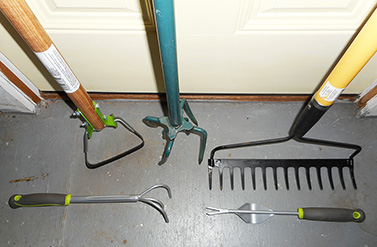
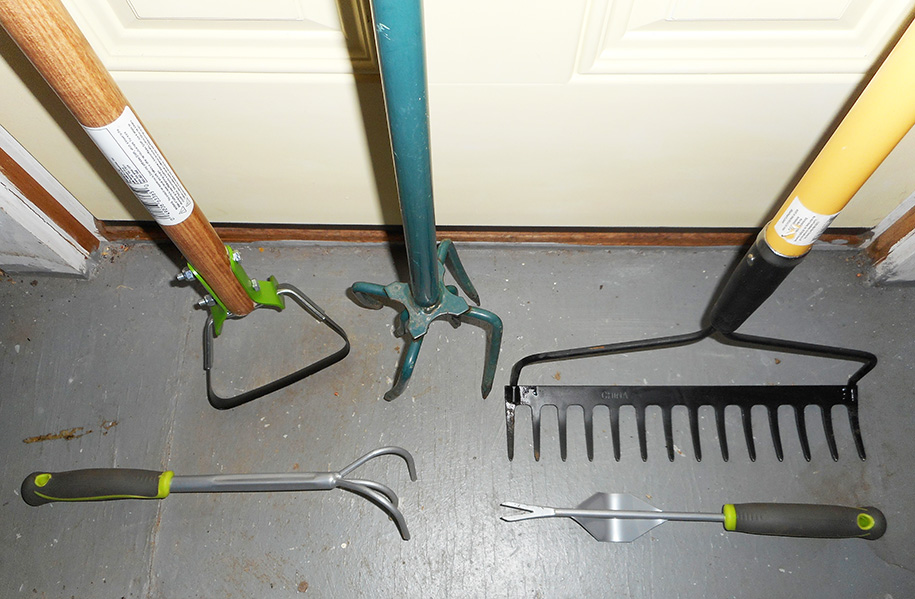
Perhaps the most effective way to combat weeds is by hand pulling. It is labor intensive, but even doing a little at a time will get the job done. If there’s room between plants, using a tool such as a stirrup hoe can make the job quicker and easier. Above all, don’t let those weeds go to seed.
Whatever method you chosen to remove weeds, consider adding a layer of mulch on top of the soil.
In addition to its other benefits, mulch will discourage new weeds from growing and can make it easier to pull those that pop up in the future. Purchase mulch by the bag or order it in bulk by the cubic yard for delivery from a local nursery.
Plants under stress are more susceptible to pests and diseases. Keep an eye out for problems.
For help identifying or dealing with a problem, or for answers to general gardening questions, contact the University of Vermont Extension Master Gardeners Helpline at (802) 656-5421 (Thursdays, 9 a.m. to 12 p.m. through October 30) or online year-round at go.uvm.edu/gardeninghelp.
Deborah J. Benoit is a UVM Extension Master Gardener from North Adams, Mass., who is part of the Bennington County Chapter.

Deborah J. Benoit
Deborah Benoit is a UVM Extension Master Gardener who volunteers as a garden columnist and for Bennington County Extension Master Gardener Chapter activities.


