



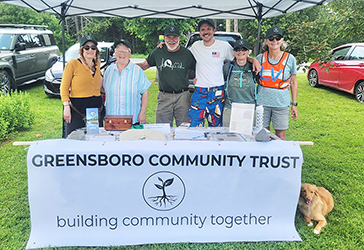
HARDWICK, GREENSBORO – As temperatures climbed into the 90s across much of Vermont two weeks ago, communities opened cooling centers and encouraged residents to seek relief in air-conditioned public spaces. In Hardwick and Greensboro, local organizations worked together to provide places where residents could stay cool during the heat wave.
“There is a group of people who are at high risk for both heat and cold emergencies,” said Greensboro Health Officer, Advanced EMT and Medical Reserve Corps volunteer Karl Stein. “We need to start thinking about this as a community.”
Stein and fellow Medical Reserve Corps volunteers staffed the regional cooling center at Greensboro’s Highland Center for the Arts, which was open Thursday and Friday and served residents from multiple communities.
Twelve people took advantage of the regional cooling center during the two-day heat event.
“This response showed what can happen when local organizations work together,” said Hardwick Town Manager David “Opie” Upson. “The Jeudevine Memorial Library, the Medical Reserve Corps, the Highland Center for the Arts and community volunteers all played a role in making sure people had a safe place to go during the heat wave.”
The regional cooling center complemented other public cooling locations, including the Greensboro Public Library and the Jeudevine Memorial Library in Hardwick.
Cooling centers are intended to serve people who are most vulnerable during periods of extreme heat, including older adults, people with chronic medical conditions, those living alone, and residents without reliable cooling. Many of those same individuals are also at increased risk during severe winter weather.
Health officials encourage residents to drink water regularly, spend time in air-conditioned buildings when possible, avoid strenuous outdoor activity during the hottest part of the day and check on neighbors, friends, and family members who may need assistance during periods of extreme heat.
Although the heat wave has passed, local officials say the experience highlighted the value of regional coordination and gave communities an opportunity to strengthen their response before the next period of dangerous heat.


