

READING – July 2023 was the hottest month ever recorded worldwide, according to the National Oceanic and Atmospheric Administration. Rising temperatures associated with climate change have dramatically increased atmospheric moisture, causing more frequent and severe storms. During the Great Vermont Flood of July 10-11, 2023, at peak flow more than[Read More…]
The Outside Story
Navigating the June Night Sky
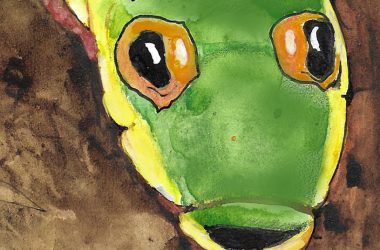
The Many and Varied Ways Caterpillars Avoid Predation
VERMONT – In “Alice’s Adventures in Wonderland” by Lewis Carroll, Alice stumbles upon a large mushroom. She peeps over the edge and encounters a caterpillar “smoking a long hookah, and taking not the slightest notice of her or anything else.” If Alice had touched the creature, she might have been[Read More…]
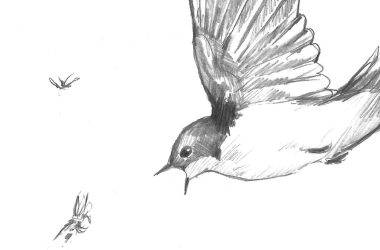
The Wonders of Aerial Insectivore Flight
WASHINGTON, D.C. – When I worked at a barn one summer during college, I marveled at the swallows that nested in the structure’s eaves and corners. I watched the iridescent birds swoop, flutter, and dart with amazing dexterity between the small spaces above the stalls. These acrobatic birds are aerial[Read More…]
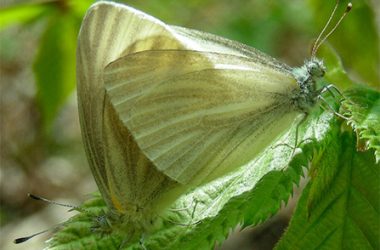
Spring is Fleeting for Butterfly, Wildflower Host
WHITE RIVER JUNCTION – It’s not a gaudy butterfly. It isn’t the biggest or the smallest. In fact, it’s mostly just white. But this butterfly is unusual: It only flies in forests. To see this butterfly, you must visit a rich, mature hardwood forest carpeted with spring wildflowers. West Virginia[Read More…]
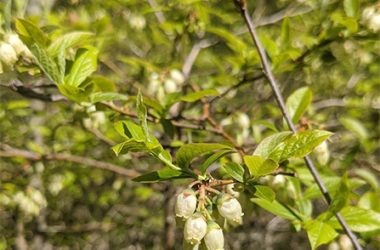
The Blueberries and the Bees
WHITE RIVER JUNCTION – Blueberry season in Vermont is a sweet one! With an abundance of pick-your-own farms and several wild species, it’s a time of year you surely won’t want to miss. But why are we mentioning blueberry season in our Field Guide to May when the first berries[Read More…]
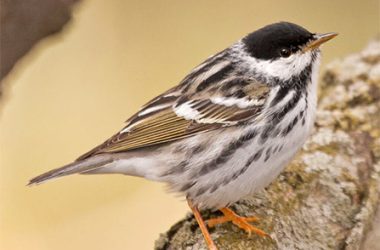
Blackpolls Return from South American Wintering Grounds
WHITE RIVER JUNCTION – Hold two nickels and a dime in your hand: that’s the summer weight of a Blackpoll Warbler. This black-capped songbird returns in early May from its wintering grounds in northern South America to its breeding grounds that range from New England’s mountain forests to Alaska’s boreal[Read More…]
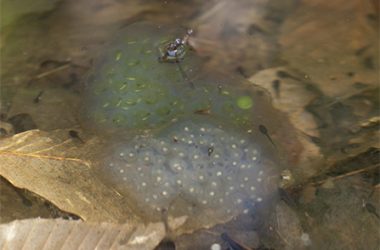
Pond Eggs and Algae Have Beneficial Relationship
WHITE RIVER JUNCTION – Peer into a woodland vernal pool in New England right now, and you’re liable to find masses of developing spotted salamander eggs. Many of them have a green hue visible throughout the gelatinous mass. Most things lying in water eventually get coated in algae. But in[Read More…]
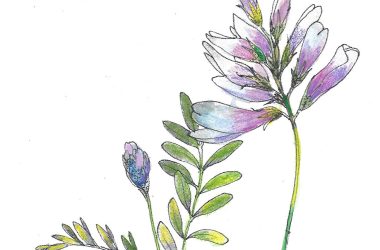
Jesup’s Milk-Vetch is Rare Beauty
WASHINGTON, D.C. – A few ledges along the Connecticut River are home to a rare plant commonly known as Jesup’s milk-vetch (Astragalus robbinsii var. jesupii). In fact, this species, which has been listed as federally endangered since 1987, only grows at six sites along a 16-mile stretch of the river[Read More…]
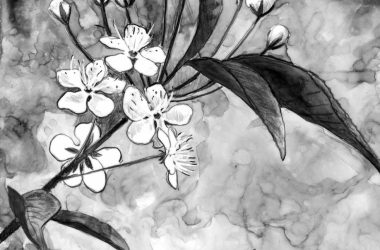
Native Cherry Trees Have Spring Beauty, Ecological Gold
HOPKINTON, N.H. – Each spring, cities from New York to Texas celebrate the spectacular blooming of ornamental cherry trees. In many cultures, the lovely, delicate pink and white cherry blossoms symbolize rebirth and renewal, as well as the fleeting nature of life. Beyond these showy cultivated trees, our region boasts[Read More…]
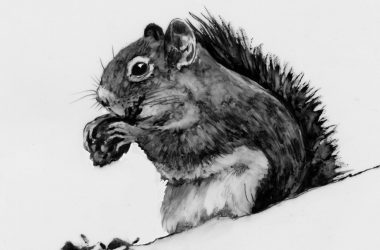
A Young Red Squirrel Grows Up
RANDOLPH – Years ago, a hitchhiker found a baby red squirrel beneath a tree and brought it to the nature center where I worked as a naturalist and wildlife rehabilitator. The squirrel kit had not yet opened its eyes, so we estimated it was only three weeks old. Most squirrels[Read More…]
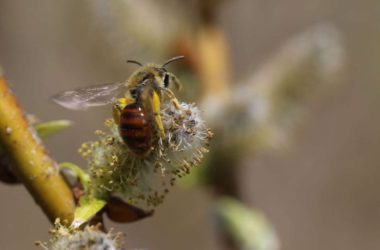
Willows and April Bees
WHITE RIVER JUNCTION – Willows (genus Salix) are pollen powerhouses in April. From river banks to roadside ditches, these fast-growing shrubs provide abundant food for early spring pollinators. Their inconspicuous, greenish flowers are visited by a variety of different bees and other insects and are likely the primary pollen source[Read More…]


