
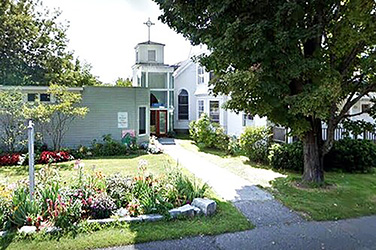



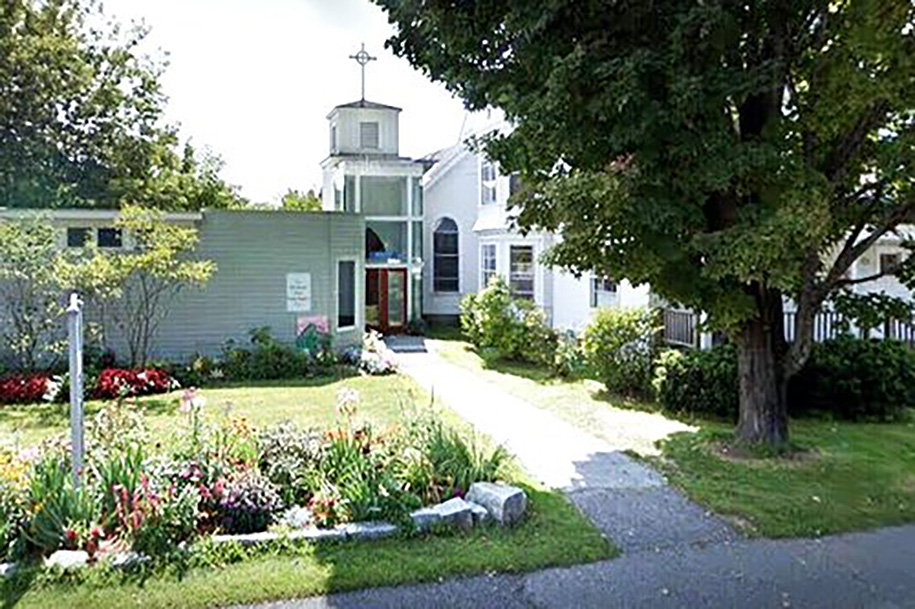
HARDWICK – As food insecurity has increased in the Hardwick Area before, during and after the Covid-19 pandemic, the Hardwick Farmers Market has developed programs to multiply benefits and the Hardwick Area Food Pantry (HAFP) has expanded to open satellite locations in Craftsbury and Albany.
The U.S. Senate is now considering the One Big Beautiful Bill Act (OBBBA), a budget reconciliation bill passed by the House of Representatives on May 22. A budget reconciliation bill allows for expedited passage of certain budget-related legislation, often by circumventing the filibuster rules in the Senate. OBBBA, proposed by President Trump, makes sweeping cuts to SNAP, formerly known as food stamps, the nation’s largest food assistance program. The cuts would transfer 5% of the benefit costs, and 75% of the costs of administering it, to the states, making it their responsibility, while establishing stricter eligibility requirements.
Hayley Williams works with the Center for an Agricultural Economy as the local food coordinator and Hardwick Farmers Market Manager. She said the use of EBT (Electronic Benefit Transfer) cards at the market (that are used for SNAP benefits), “varies significantly from Friday to Friday, but the market and its vendors really benefit from EBT recipients shopping with us, and we triple their food budget through our Crop Cash and Hardwick Farmers Market (HFM) Bucks programs.”
Williams said cuts to SNAP benefits “would hurt the market.” Market shoppers have been anxious hearing benefits might be cut, she said. “Eight EBT transactions were used at the market on Friday June 6.”
Stella James, HAFP director and coordinator of the Hardwick site said SNAP benefits for an individual can be close to $300, but many receive as little as $20 each month. Plenty of HAFP visitors don’t receive any SNAP benefits, she said, but have a need for the food they are able to get at the HAFP.
There are no special criteria to receive food, or other necessary supplies, which can include pet food, paper goods and other essential needs, said James. “It’s based on trust.” People can visit as often as they want for fresh produce and twice each month to receive roughly a week’s worth of food.
James said she’s not thinking now about what HAFP might do if SNAP benefits are cut. Even without those cuts, inflation causes food to cost more and increases need.
Her priority is to give people visiting the pantry the feeling of abundance. She wants people to feel that what they need, within the guidelines established by the pantry, is always available; she doesn’t want anyone to feel the food they are getting will cause others to go without what they need.
HAFP works with a food budget of just $9,000 for the Hardwick site and the same amount for the Craftsbury and Albany sites combined. The Hardwick site uses most of that to buy from the Vermont Food Bank, while the other sites purchase locally, from the Genny in Craftsbury, which provides food to those sites at cost.
HAFP operates with 75 volunteers, one full-time and five part-time employees, said James, helping about 300 families each month in Hardwick, with between 16,000 and 20,000 pounds of food.
She says she doesn’t want to live in a state of urgency, worrying about what might happen. It’s important to her that HAFP visitors feel safe and come for what they need without having any feeling they are being judged. HAFP is apolitical because everyone needs food regardless of their politics, said James. “HAFP provides a safety net for anyone in need.”
HAFP accepts donations of money, food and time. Learn more about HAFP at nourishhardwick.org

Paul Fixx is editor of The Hardwick Gazette and lives in Hardwick.


