
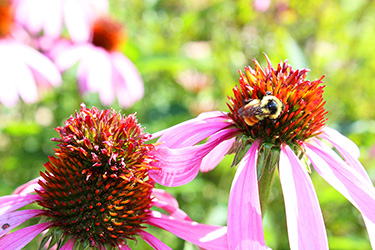



NORTH ADAMS, Mass. – Purple coneflower’s (Echinacea purpurea) daisy-like flower adds a pop of color to a yard. They’re a great choice for an easy-to-grow, native perennial.
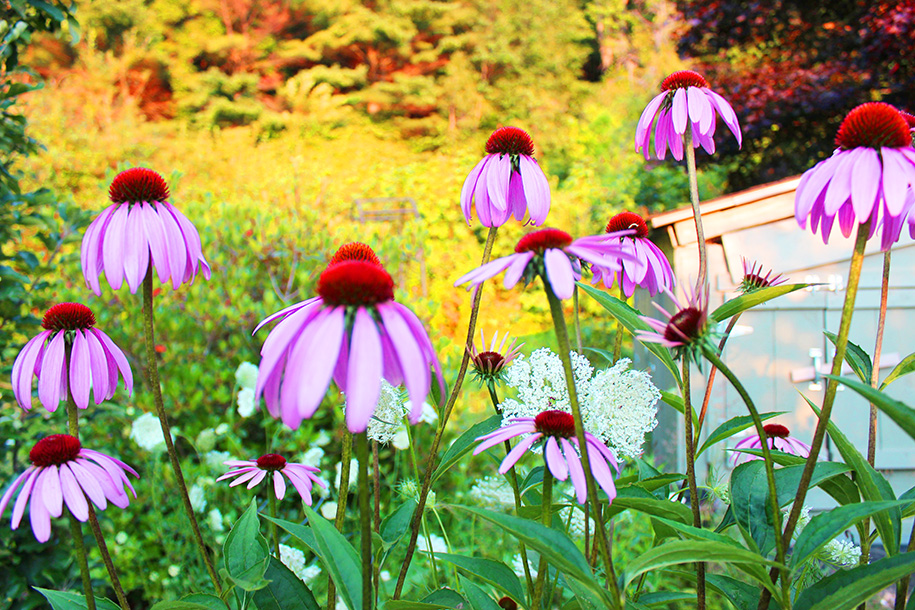
Coneflowers are hardy in United States Department of Agriculture Hardiness Zones 4 to 9. Some varieties are hardy to Zone 3. Check the tag on the variety to confirm its hardiness and preferred growing conditions.
Historically, coneflowers were used as an herbal remedy by Native Americans and, later, European settlers. Its uses included pain relief, treatment of colds and sore throats, dressing wounds and treating infections.
Today, coneflower cultivars are available in a variety of colors. In addition to the familiar pink, gardeners’ choices include white, yellow and shades of red and orange, as well as variations in flower form.
Use coneflowers as a focal point in a naturalized or wildflower garden. They also perform well in borders or cottage gardens. Coneflowers will attract pollinators, including bees, butterflies and hummingbirds, to a garden.
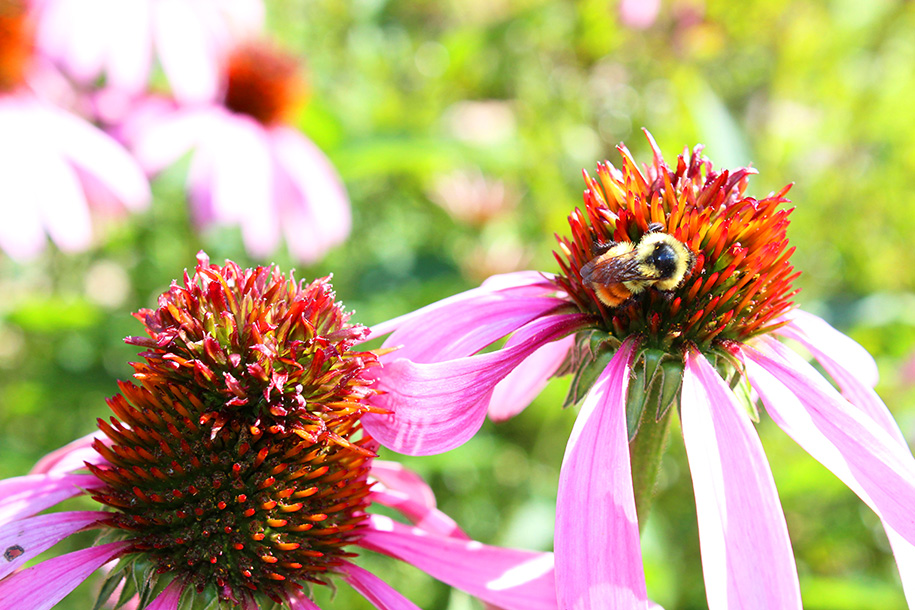
Coneflowers can grow between two to four feet high and one to two feet wide. They bloom best in full sun. They’ll grow in partial shade as well, though lower light levels will result in fewer flowers. Coneflowers bloom throughout the summer and make long-lasting cut flowers.
As winter approaches, coneflowers die back to the ground and go dormant, with new growth emerging in the spring. Deadhead spent flowers and cut back old growth at the end of the growing season or put off tidying up a coneflower bed until spring. If you wait, birds and other wildlife can feed on the dried seed heads, and the upright stems can provide a nesting spot for native bees.
Coneflowers will self-seed. If starting seeds, keep in mind that a period of cold, moist stratification aids in germination. If sowing seeds outdoors in the fall, new plantlets will emerge in the spring.
Mature coneflowers can be propagated by root division in early spring or late fall. In the spring, while the plant is still dormant, dig up the clump of fibrous roots and divide, being sure to leave several inches of roots in each section. Replant or pot immediately and water well.
If dividing in the fall, wait until the plant stops flowering and has begun to go dormant. Allow sufficient time before the ground freezes for the roots to adjust after replanting.
Plant coneflowers in well-draining, loamy soil, although they are adaptable to a variety of conditions. When in doubt, a soil test can tell you what, if any, fertilizers or amendments will be beneficial. For more information on soil testing, see go.uvm.edu/soiltest.
Coneflowers are a low maintenance addition to the garden and are relatively pest and disease resistant. The solution to a problem such as drooping leaves might be as simple as supplemental watering during excessive summer heat.
While deer will likely bypass coneflowers, rabbits, chipmunks and groundhogs may take a nibble. Watch for aphids and deal with them with a strong spray from the hose. Knock Japanese beetles into a bucket of soapy water.
Other problems may include diseases such as powdery mildew, Fusarium wilt or aster yellows. For questions about growing coneflowers or trying to identify a pest or disease, contact the University of Vermont Extension Master Gardener Helpline by phone (802) 656-5421, Thursdays, 9 a.m. to 12 p.m. from April to October or online year-round at https://go.uvm.edu/gardeninghelp.
Deborah J. Benoit is a UVM Extension Master Gardener from North Adams, Mass., who is part of the Bennington County Chapter.

Deborah J. Benoit
Deborah Benoit is a UVM Extension Master Gardener who volunteers as a garden columnist and for Bennington County Extension Master Gardener Chapter activities.


