



CRAFTSBURY COMMON – A report on the November 21 community public hearing on Vermont school districting, addressing issues around Act 73 concludes with, “The message from Craftsbury was clear: Vermonters care deeply about their children, their communities and their schools. With open dialogue and inclusive planning, Vermont can build a path forward that includes the values, the voices and the hopes of all its people.”
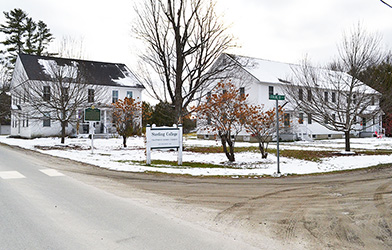
The gathering, organized by Sterling College and Northeast Kingdom Organizing (NEKO), brought the Craftsbury community together with residents from nearby towns, legislative members of the School District Redistricting Task Force and area Rep. Leanne Harple, a member of the House Committee on Education.
A presentation by Ranny Bledsoe, a member of the Hazen Union School and Orleans Southwest Supervisory Union (OSSU) Boards “provided an overview of Act 73, the Redistricting Task Force’s work, and the proposals under consideration.”
Following the presentation, participants broke into small groups to consider three guiding questions, sharing concerns about the Act 73 proposal, hopes about recommendations from the task force and what legislators should hear about impacts of the proposal.
Responses to the first question emphasized the impacts of school consolidation and potentially destabilizing already shrinking rural towns, creating longer bus rides, with increased costs and greater carbon emissions. Of particular note were comments about anxiety and instability around uncertainty about Act 73s outcomes creating a mental health crisis.
A lack of data, evidence and clarity about goals and long-term benefits was noted by many, followed by concerns about staffing, with associated labor and workforce concerns.
That recommendations might lead to a one-size-fits-all curriculum that won’t meet local needs, worries about the loss of education quality and loss of unique of programs, were expressed as concerns.
And finally, for that question, a potential loss of local representation and top-down decision making, leading to a loss of local expertise, were concerns.
Hopes for what the task force might recommend included incorporating collaborative, flexible models and recommendations to control costs without sacrificing community.
The small groups hoped that legislators would understand the local sense that schools are at the heart of small communities, that local governance and representation are important, with local voices central to decision-making, and not peripheral.
Also suggested was the importance of reforming the education funding system by addressing rising healthcare costs at the state level that Act 73 does not address. A preference for new models of taxation that shift school funding to an income-based system and looking at taxing second homes more effectively was identified.
And again, needing better data to make good decisions came up.
The report encourages community members to remain active, “paying attention to who is making decisions for us.”
It suggests schools and boards to explore collaborative models, that might include resource sharing and partnerships with career and technical centers, “that.strengthen opportunities without sacrificing community presence.”
Pointing to the value of having legislators and task force members at the gathering, the report recommends they “engage directly with rural communities especially the NEK, early and often.
The full report is available at bit.ly/3L3Zx0f.

Paul Fixx is editor of The Hardwick Gazette and lives in Hardwick.


