


FAYSTON – Many home gardeners rely on memory and tradition to guide the timing and layout of their gardens. People remember when lilacs bloom, know where to put peppers so they get enough sun, and estimate the optimal timing for fertilizing.
However, we don’t have to rely exclusively on memory to get the best garden results. Even the most experienced gardeners can benefit from the simple habit of keeping a gardening journal.
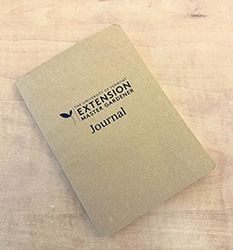
A gardening journal can be simple or fancy. Use a notebook, a wall calendar or scraps of paper kept in a binder, or a simple composition notebook. The important thing is to record what happens in the garden throughout the season. Over time, gardeners notice patterns and trends that can help maximize time, efforts and yields.
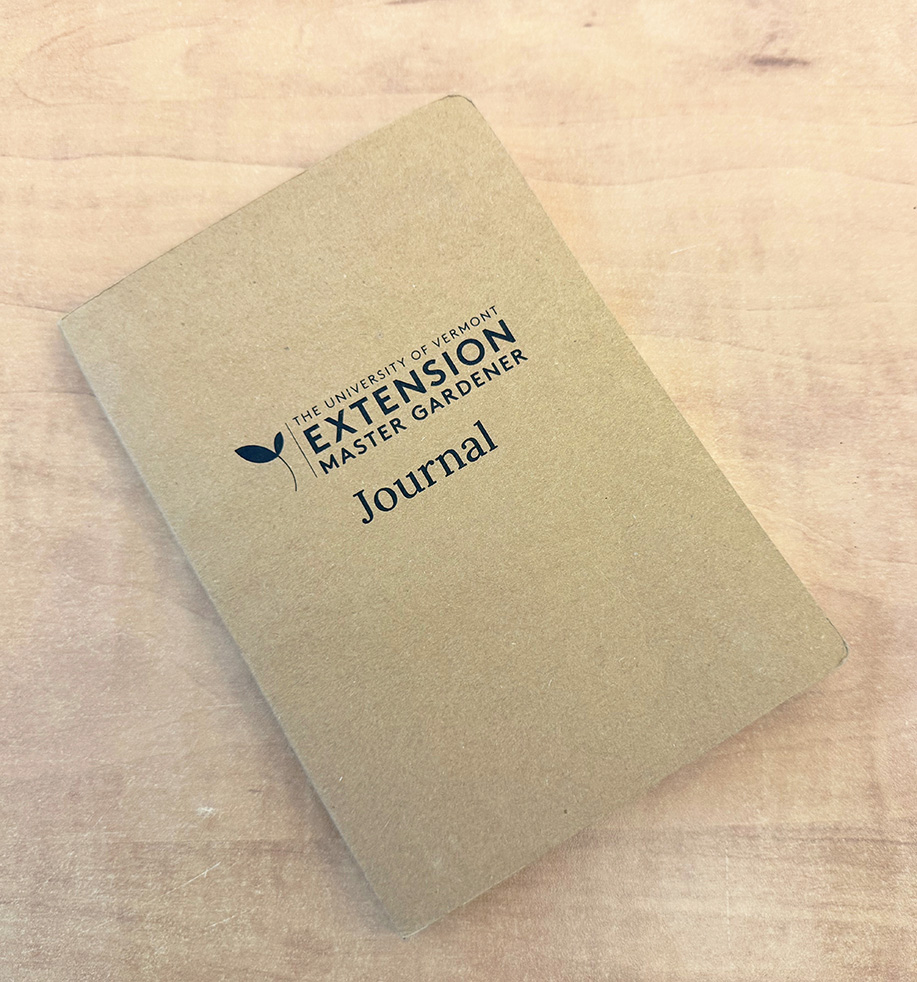
photo by Debra Heleba.
A good place to get started with a garden journal is by recording plant varieties, planting dates and garden layout. This information can be especially helpful in future years when remembering the tomato variety a family liked best or where to rotate different crop families. Keeping track of weather can also help a gardener understand why a garden struggled or thrived. Over time, these notes can even help predict a garden’s frost dates.
Starting plants from seed was new to me a few years ago. I kept track of my successes and problems and recorded new information I learned about seed starting in my journal. That level of detail, along with my personal observations, helped me refine my system and improve my outcomes.
A journal is also a great place to record harvest times and yields. The information on seed packets provides helpful guidelines, but dates to maturity can vary depending on the conditions of a garden. Using a journal can support planning for future years, especially if a garden in a small space and rotate plantings.
After a few years of recording the appearance of pests and diseases, I noticed that tomato hornworms usually appeared during the last week of July or first week of August. With that information, I began checking my tomatoes more carefully during that time and prevented much of the damage I had seen in previous years. Knowing what pests and diseases might show up, and when, can help plan ahead, or, at the very least, when to be on the offensive.
General observations are another valuable idea to record. Gardners may notice that one variety of flower attracts more pollinators than another or that water pools in a certain part of a garden. These notes can help plan for garden goals and make adjustments to avoid potential problems.
Keeping a gardening journal is more than a planning tool. It becomes a record of a garden over time, documenting the growth of both a garden and a gardener. During the off-season, reviewing notes, sketching new layouts, organizing favorable varieties and remembering gardens past is a relaxing and worthwhile way to stay connected to a garden and the growing season.

Andrea Knepper
Andrea Knepper is a UVM Extension Master Gardener from Fayston.


