


SOUTH BURLINGTON – The ground may still be covered in snow, but now is an excellent time to start planning to improve the soil in vegetable gardens for the planting season ahead.
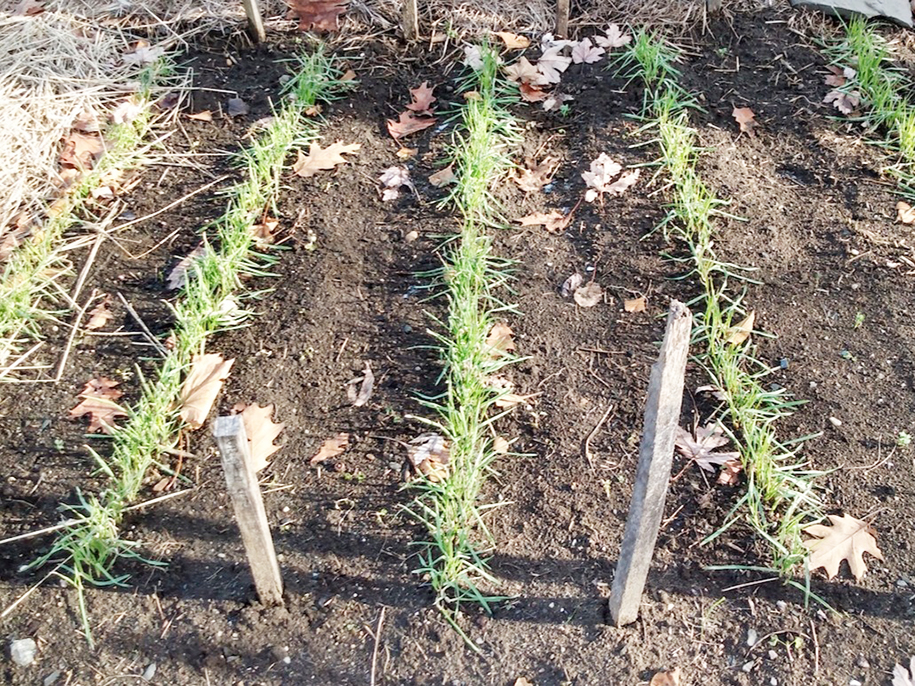
Cover crops are effective tools in the gardener’s toolbox for soil improvement. While some are food crops, they are not planted for harvest. Instead, they share the beneficial qualities of their species to either build organic matter and tilth, add nitrogen, suppress weeds and/or fight soil compaction in your garden.
Cover crops planted in the spring can provide a number of benefits to a garden right at the beginning of the growing season. Start by determining goals for the cover crop. If soil is compacted and simply needs to be loosened up prior to planting summer crops, a round of oats, fava bean, field peas or annual rye could be planted.
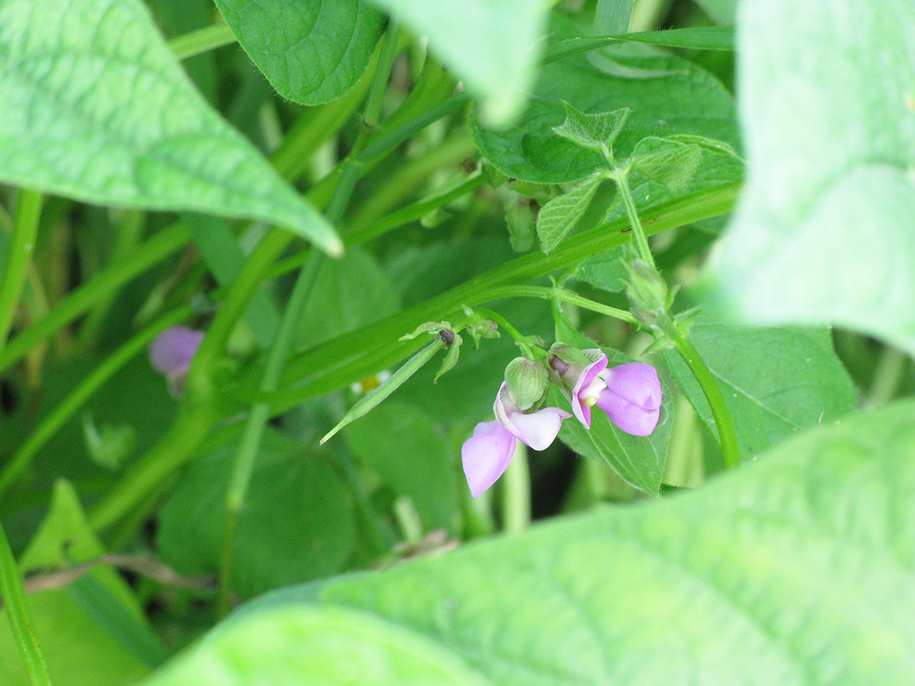
photo by Debra Heleba
If, however, a soil’s needs are greater, or not precisely known, it is best to start by assessing its deficiencies or imbalances with a soil test, available at go.uvm.edu/soiltest. Using the results of the test, choose the cover crops that best address the needs of the soil.
Soil that is low in nitrogen fertility will benefit from a legume cover crop like field peas, fava beans, hairy vetch, crimson clover and red clover. If the issue is a lack of organic matter or a need for better tilth, cover crops like oats or annual rye can provide that to your soil.
In recent years, garden centers and online seed providers have made it easier for home gardeners to find cover crop seeds. They can be found both in bulk and pre-packaged options. Blends of two or more species of plants, such as field peas and oats, take the guesswork out of application rates and supply multiple benefits.
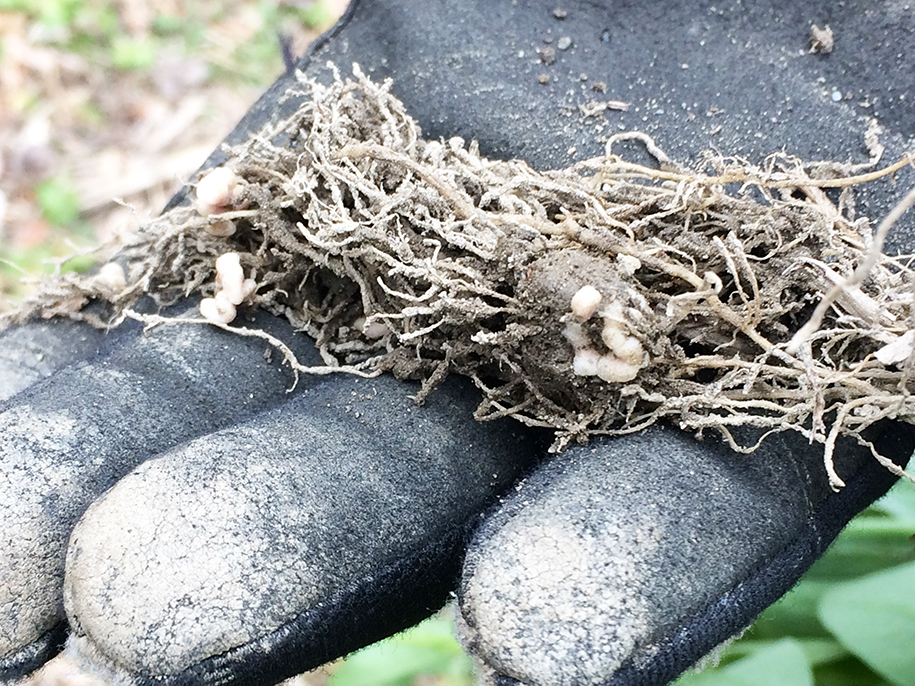
Ideal cover crops for spring can germinate at colder temperatures, for example, 38°F for oats, or 42°F for crimson clover. This allows planting a crop as soon as the snow is gone and the soil can be worked. Some may even be frost-seeded, using the spring’s natural freeze-thaw cycle to ensure good seed-to-soil contact.
Most of these crops will mature between 45 and 60 days and they should be terminated two to three weeks before intended planting in the soil. This means planning to plant cover crops in March and into early April.
Unlike a fall cover crop, which dies off naturally in the winter cold, plan how and when to terminate your spring crops. Pay attention to timing: some cover crops (especially annual rye) should not be allowed to flower to avoid creating an unintentional bed of weeds. Many of the crops can simply be chopped and dropped or tilled under and will break down, improving biomass. Follow the directions for specific crops to extract the most benefits from them.
Another excellent use of early cover crops is as a living or green mulch. Rather than laying down straw, cover bare soil around vegetable plants with a ground cover such as white clover or lacy phacelia. These plants can suppress weeds and reduce soil erosion while also producing flowers for pollinators.
vegetable garden soil works extremely hard. Give it a boost with early cover crops to get the growing season off to an excellent start.
Amy Simone is a UVM Extension Master Gardener volunteer from South Burlington, Vermont.

Amy Simone
Amy Simone is a UVM Extension Master Gardener from South Burlington.


