

by Henry Homeyer CORNISH FLAT, N.H. – Do you remember your Grammy’s favorite rose? If you do, you probably remember how fragrant it was. For me, one of my grandmother’s favorite plants was the peony named “Festiva Maxima.” It is a double white with a drop of red in the[Read More…]
In the Garden

There are Many Shade-loving Perennials
by Deborah J. Benoit, Extension Master Gardener, University of Vermont NORTH ADAMS, Mass. – What do you do when there’s more shade and shadow than sunshine in your garden? While your plant selections will likely differ from those chosen for a sunny spot, there are still plenty of beautiful, flowering[Read More…]
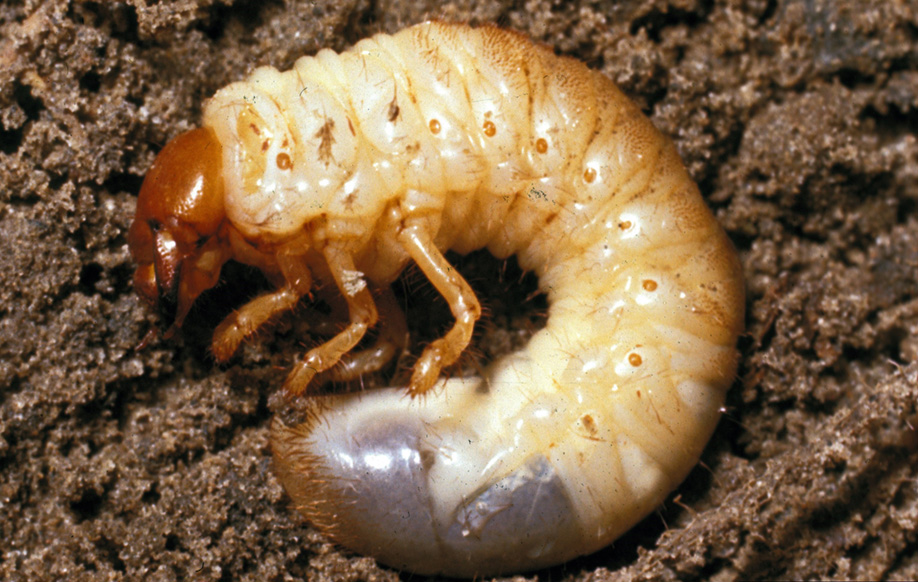
Are White Grubs Friend or Foe?
by Nadie VanZandt, Extension Master Gardener, University of Vermont BURLINGTON – Are the white grubs you dig up in your garden friend or foe? White grubs are the larval stage of certain species of beetles from the Scarabaeidae family including June bugs (Phyllophaga), European chafers (Amphimallon majale) and Japanese beetles[Read More…]
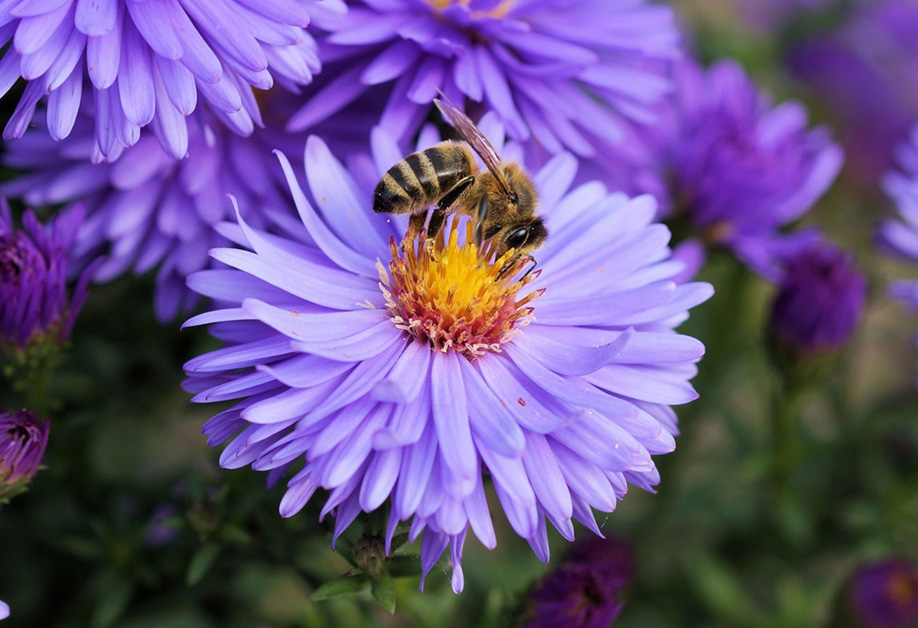
Inviting Pollinators to the Garden
by Andrea Knepper, Extension Master Gardener, University of Vermont BOLTON – Many home-grown fruits and vegetables require pollination to develop fruit and seeds. Approximately 75 percent of all food crops grown in the United States depend on bees, butterflies, hummingbirds and other pollinators. However, pollinator populations worldwide are decreasing due[Read More…]

Planting, Transplanting and Moving Plants
by Henry Homeyer CORNISH FLAT, N.H. – Once, a long time ago, I was sitting on a porch overlooking a landscape with an acquaintance. I commented that if she removed or thinned a line of tall pine trees, she would have a lovely long view. “Great idea! I’ll have them[Read More…]
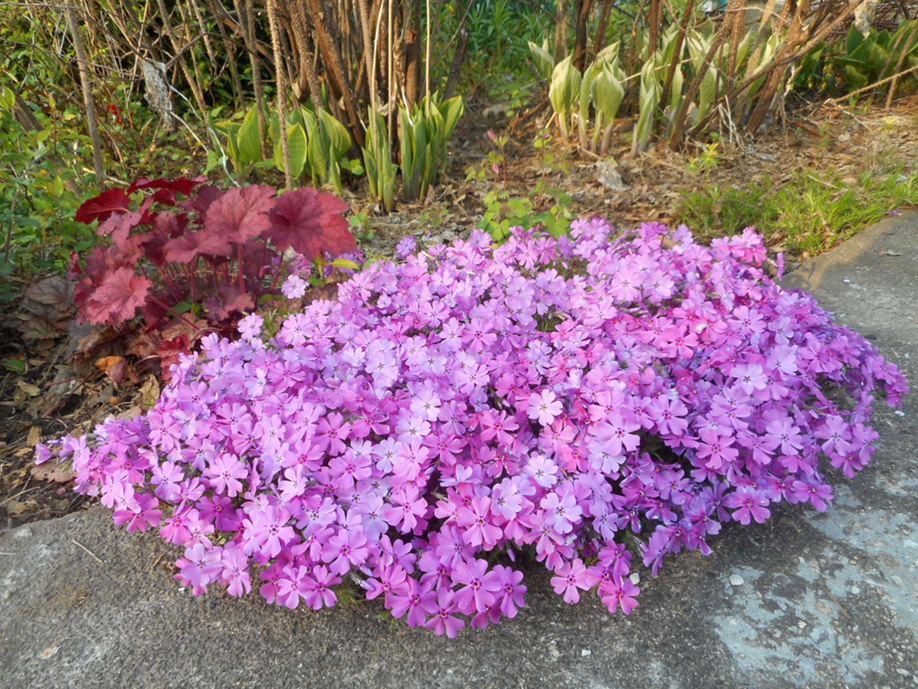
Perennials in the Garden
by Deborah J. Benoit, Extension Master Gardener, University of Vermont NORTH ADAMS, Mass. – You’ve probably heard plants described as annual, biennial or perennial. You may have even heard some called a “tender perennial.” When planning a garden, knowing the difference can help you decide which type of plants you[Read More…]
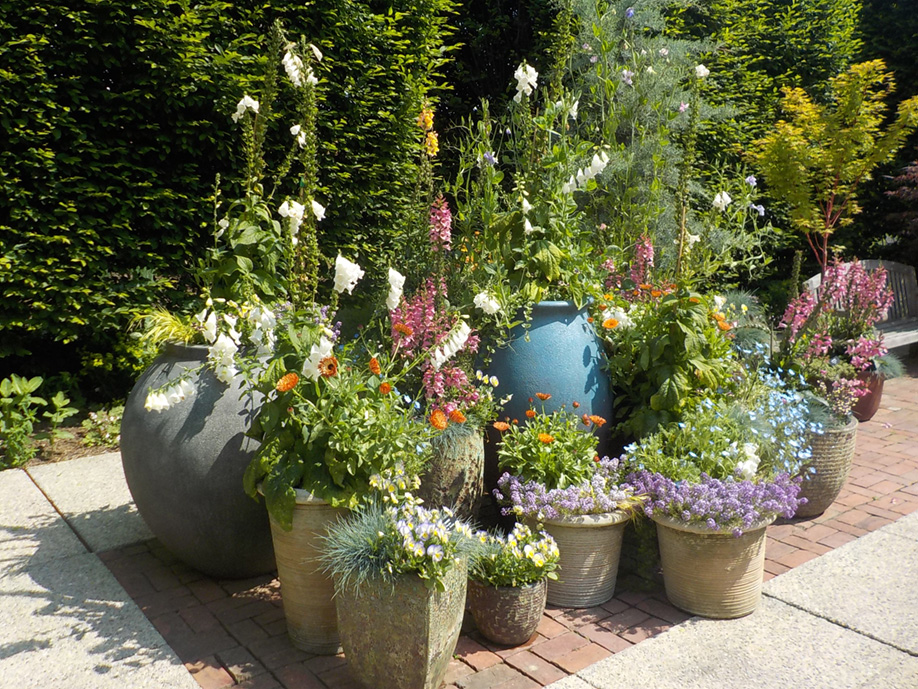
Learning from Other Gardens
by Henry Homeyer CORNISH FLAT, N.H. – One of the best ways to learn how to create a lovely garden is to see others. Visit good gardens of neighbors, great gardens near and far. I recently visited three great gardens and, as always when viewing other gardens, they gave me[Read More…]
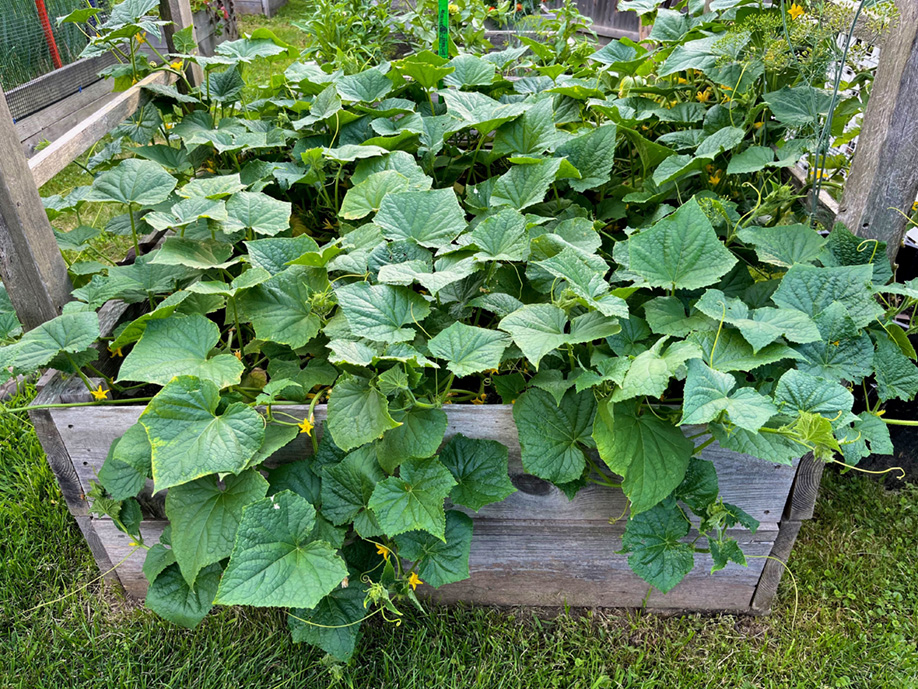
No-Till Raised Beds Means Low Maintenance Gardening
by Bonnie Kirn Donahue, Extension Master Gardener, University of Vermont NORTHFIELD – Raised beds are a great way to minimize effort and maximize enjoyment of vegetable and flower gardens. Plants grown in raised beds are easier to access because they are higher off the ground and have less surface area[Read More…]

The Tomato: Queen of the Garden!
by Henry Homeyer CORNISH FLAT, N.H. – For me tomatoes are the best tasting, most important vegetable I grow. I eat them raw in salads and sandwiches or cooked in soups and stews. I dehydrate some, I freeze many whole, and I make some sauce for quick dinners in winter.[Read More…]

Create a Biodiverse Vegetable Garden with Companion Planting
by Nadie VanZandt, Extension Master Gardener, University of Vermont PANTON – When planning this year’s vegetable garden, consider companion planting with flowers and herbs. It’s a rewarding way to attract pollinators, manage pests and promote biodiversity in your garden. The practice will improve your soil’s health and the quality of your[Read More…]
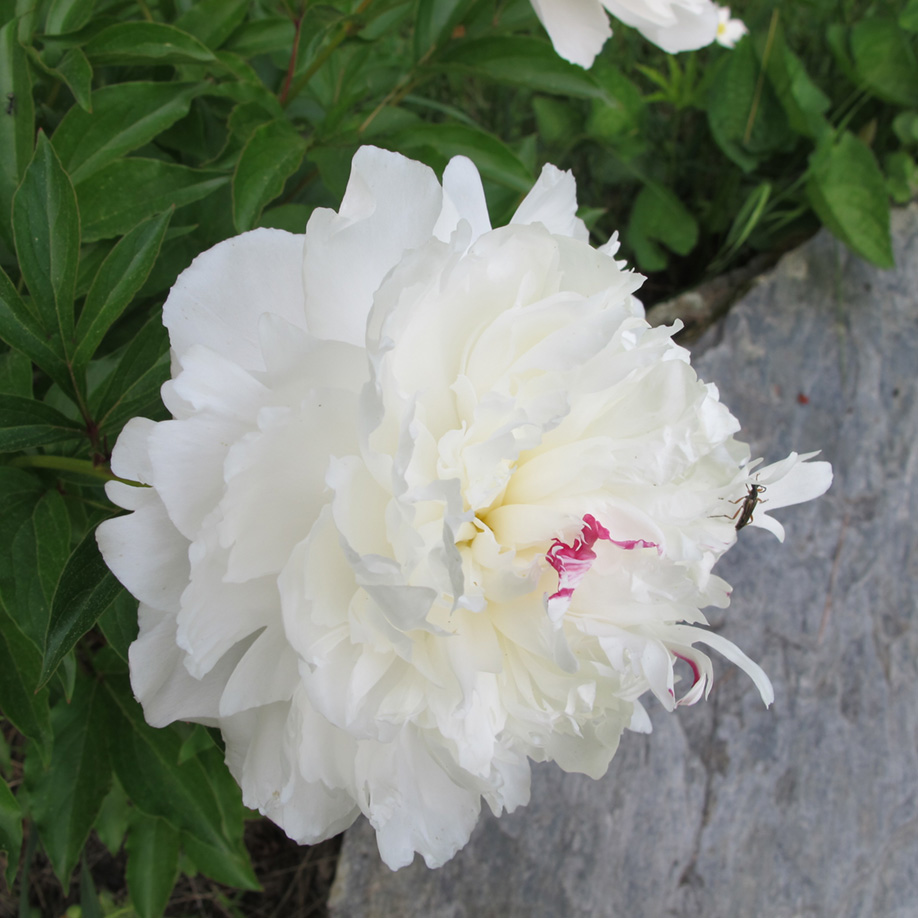
A Few Tips for Growing Great Flowers
by Henry Homeyer CORNISH FLAT, N.H. – I’m a sucker for a good looking flower. Back when I was first developing my flower beds I would go to a plant nursery and grab everything and anything that was in bloom and looking great. And I believe in buying multiples: not[Read More…]
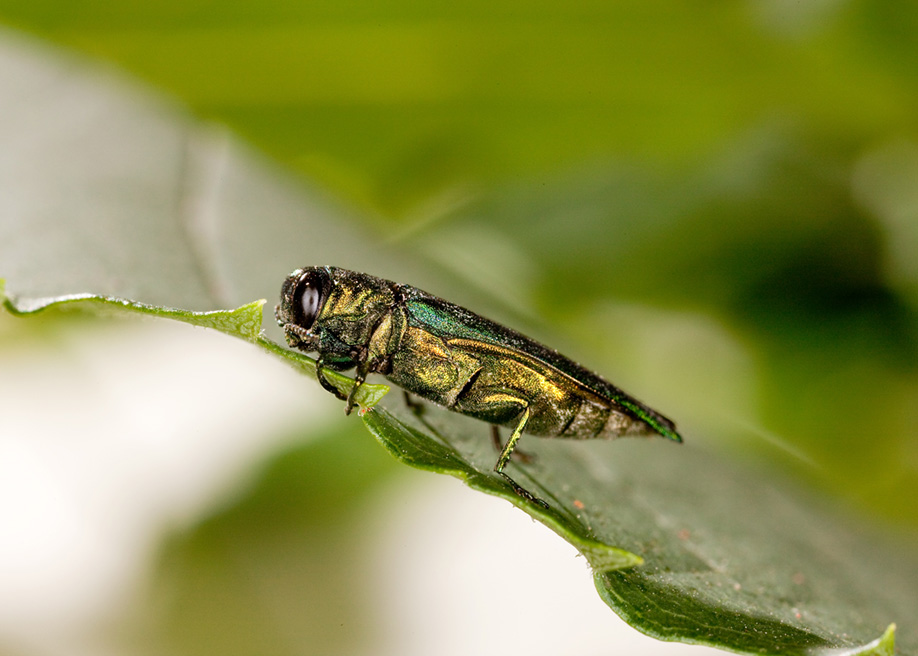
Communities Need to Plan for Emerald Ash Borer Now
by Ginger Nickerson, Forest Pest Education Coordinator, University of Vermont BURLINGTON – The week of May 22-28 has been designated National Emerald Ash Borer Awareness Week to help increase public awareness of this tree-killing beetle and the damage it can cause to all species of native ash trees within the[Read More…]


