
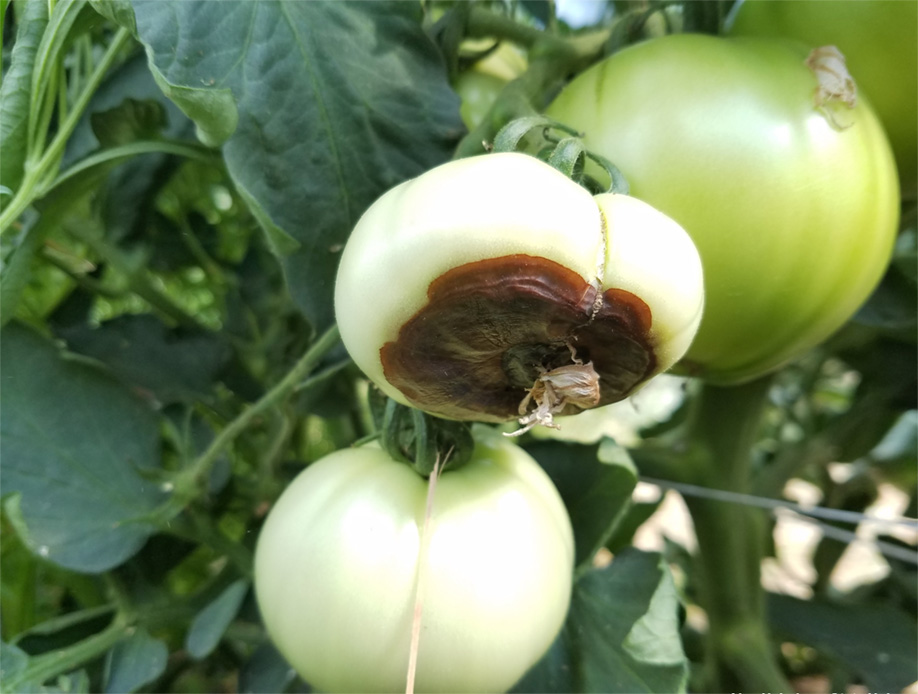
by Ann Hazelrigg, Extension Plant Pathologist, University of Vermont BURLINGTON – As you harvest the first tomatoes of the season, you may notice that some of the fruit is not perfect. Blossom end rot, a physiologic disorder, results in dry, sunken, brown areas on the blossom end or bottom of[Read More…]
In the Garden
Managing Flood Damage in Landscape Gardens
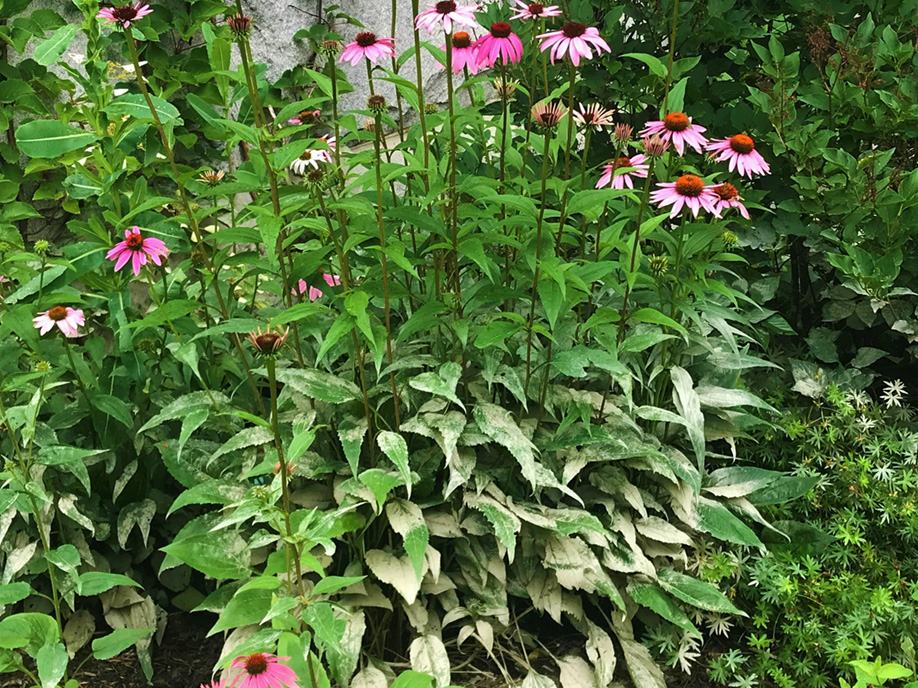
BURLINGTON – If recent storms caused a landscape garden to flood, you may be wondering if your plants and trees will rebound, or survive at all. Full recovery depends on a number of factors including the type of plants, your soil type and length of time that plants were standing[Read More…]
Sal, of Blueberry Fame, Is Getting Old
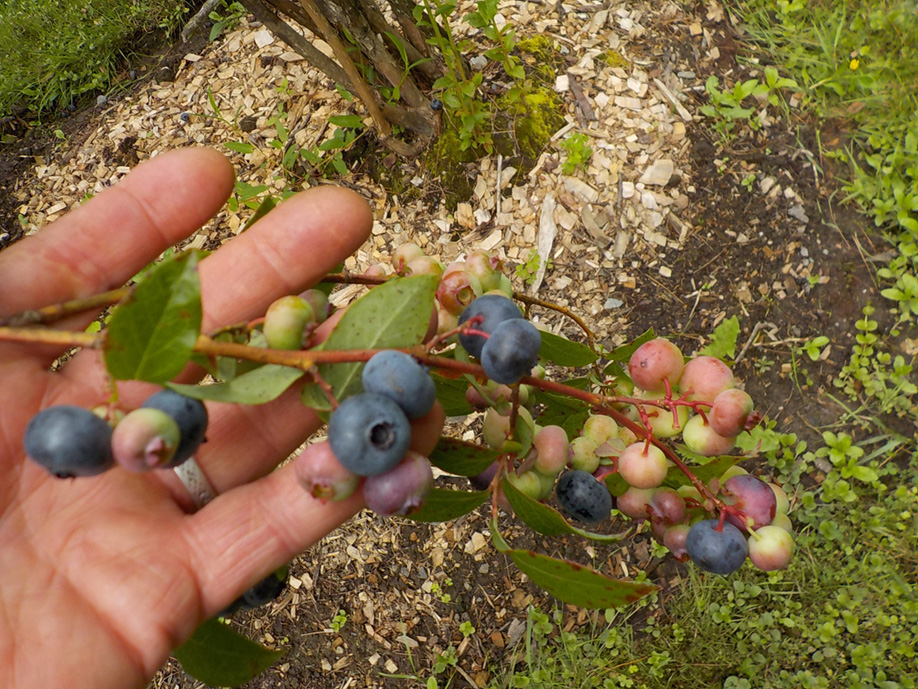
by Henry Homeyer CORNISH FLAT, N.H. – Have you ever wondered what would happen after a story ends? I have. The children’s book “Blueberries for Sal” came out in 1948 and has been a hit for 75 years. If Sal was four years old in the book, she must be[Read More…]

Helping Lawns Recover After Flooding and Rain
BURLINGTON – Rain-soaked lawns and turf that have been damaged by being underwater for long periods of time, or left covered in silt as flood waters retreat, will need extra TLC in order to recover, according to the University of Vermont (UVM) Extension Community Horticulture program. If a lawn is[Read More…]
Planning a Rose Garden Begins with Location
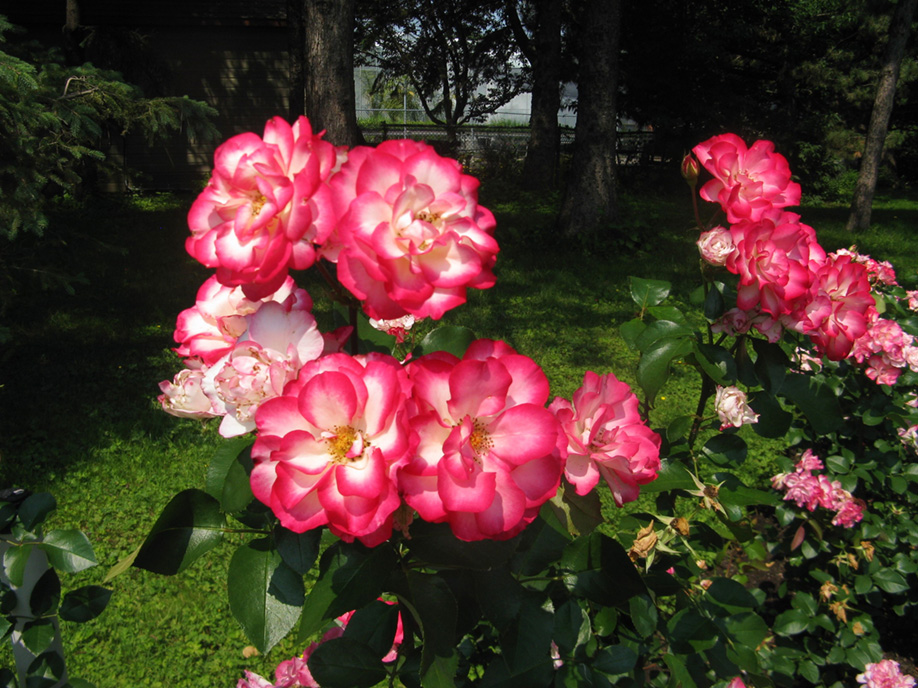
by Deborah J. Benoit, Extension Master Gardener, University of Vermont NORTH ADAMS, Mass. – Who doesn’t love the smell of roses (Rosaceae) and the beauty of a rose bush in full bloom? When planning a rose garden, the first thing to consider is location. This includes not only how large[Read More…]
How to Reduce Your Time Weeding
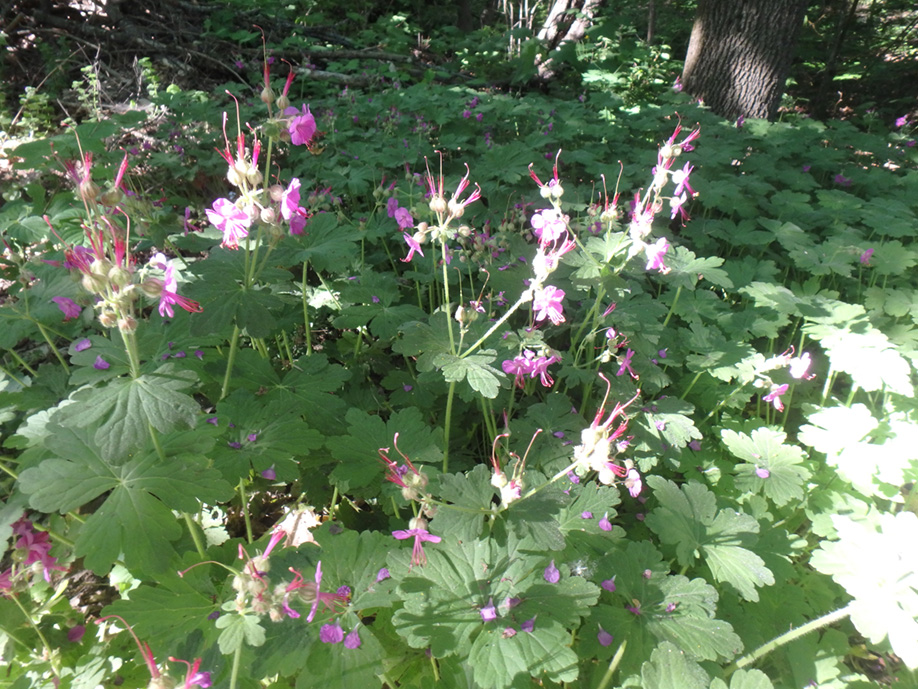
by Henry Homeyer CORNISH FLAT, N.H. – The recent rains have kept many gardeners from getting outdoors to weed, and weeds have loved the rain and are growing like Boy Scouts on “Free Ice Cream Day” at the Ben and Jerry’s factory. But don’t give up. Weeds also pull well[Read More…]

Cedar Apple Rust Fungal Disease Requires Two Hosts
by Ann Hazelrigg, Extension Plant PathologistBURLINGTON – With our recent rainy weather, you may have noticed bright orange orbs with gelatinous tendrils on our native eastern red cedar and ornamental cedars (Juniperus spp.). These are the galls of the cedar apple rust disease pathogen, Gymnosporangium juniperi-virginianae Schwein. This unique fungus disease[Read More…]
Tips for Picking and Arranging Flowers
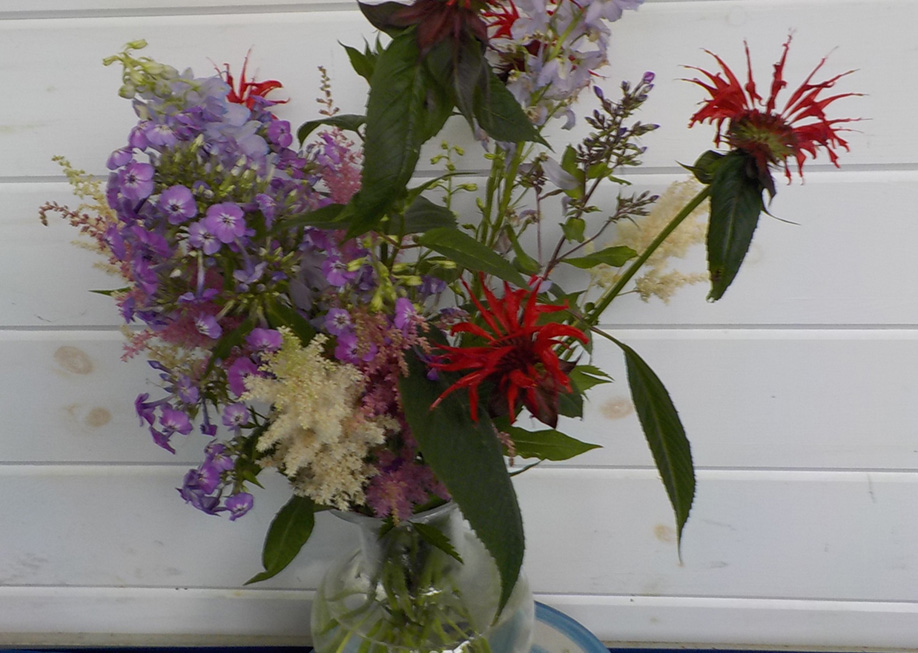
by Henry Homeyer CORNISH FLAT, N.H. – I’ve been keeping track this year of what blooms for me, and when. So far I’ve recorded over 100 species of flowers (plus many more named varieties of the same genus) and 40 species of flowering trees and shrubs. Blooming starts with snowdrops[Read More…]

July Chores for the Gardener
by Henry Homeyer CORNISH FLAT, N.H. – For me, July has started off wet: rains, heavy at times, three days a week and going on for weeks. Although I like not having to water my new plantings in the vegetable garden and flower beds, some plants are having a tough[Read More…]
Beware the Uglynest Caterpillar
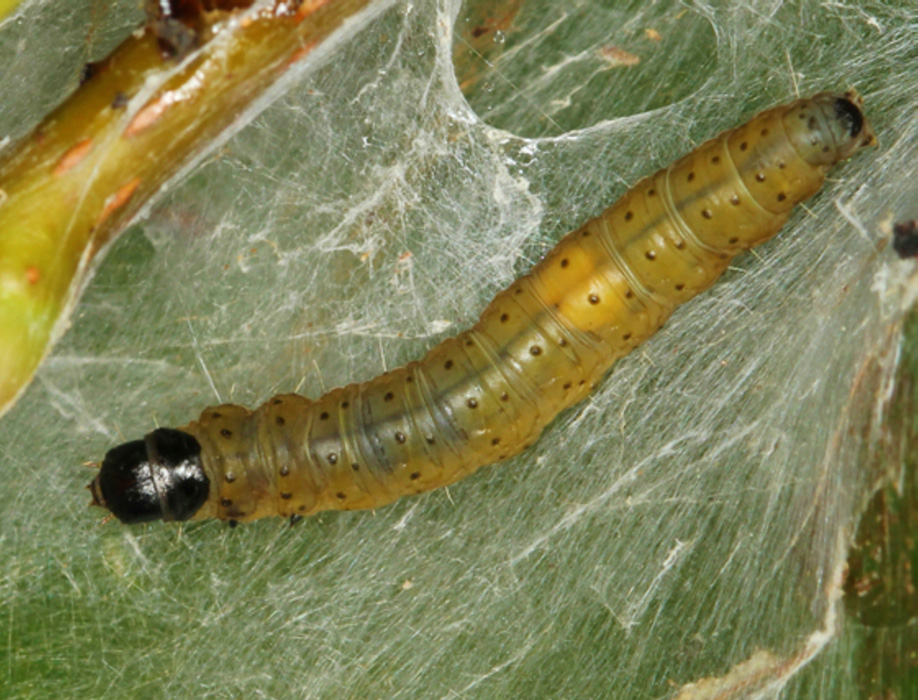
by Ann Hazelrigg, Extension Plant Pathologist, University of Vermont BURLINGTON – If you spot any trees or shrubs that appear to be covered in fake spider webs, those aren’t early Halloween decorations, but rather the work of the uglynest caterpillar (Archips cerasivorana), which can be found throughout Vermont. This pest[Read More…]
The Gardener’s Bane: Slugs, Bugs and Ticks, Oh My!
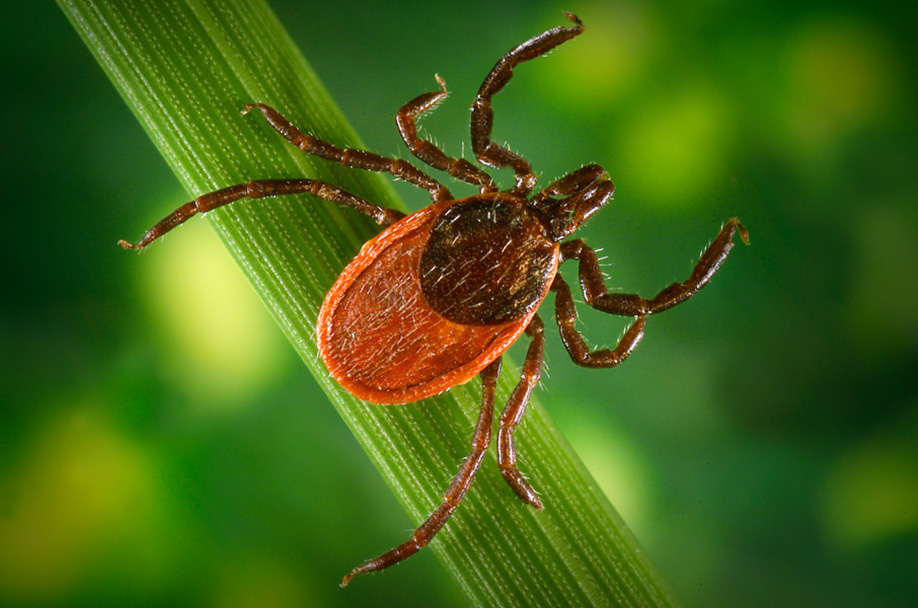
by Henry Homeyer CORNISH FLAT, N.H. – All gardeners have to contend with a variety of insects and other small pests in the garden – those that attack our plants and those that bite us. Mosquitoes? I can live with them. But ticks? That is another story. I’ve tried every[Read More…]

Lawn Care to Encourage Bees
by Bonnie Kirn Donahue, Extension Master Gardener, University of Vermont NORTHFIELD – Much of landscape maintenance in summer is devoted to mowing lawns. Traditional lawns in the Northeast are typically made up of a mix of turfgrasses such as Kentucky bluegrass, perennial rye and fine fescues. Seed mixes often include[Read More…]


