
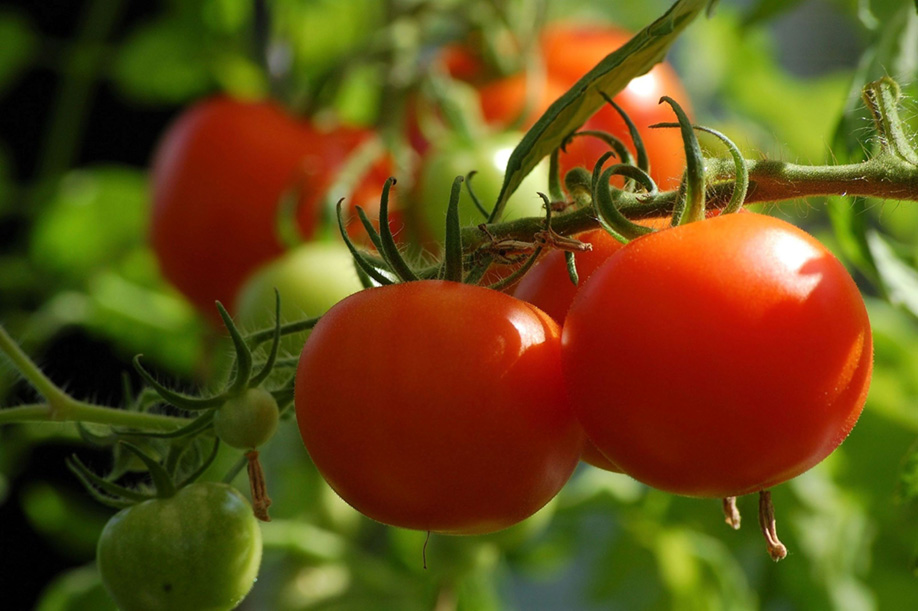
by Dr. Vern Grubinger, Extension Vegetable and Berry Specialist, University of Vermont BURLINGTON – A vegetable garden is not complete without tomatoes. Local farm stands will soon be offering a wide selection of tomato transplants for your garden. Try a few different varieties. Most modern tomato varieties are hybrids. They’re[Read More…]
In the Garden
Tips for Planting the Vegetable Garden
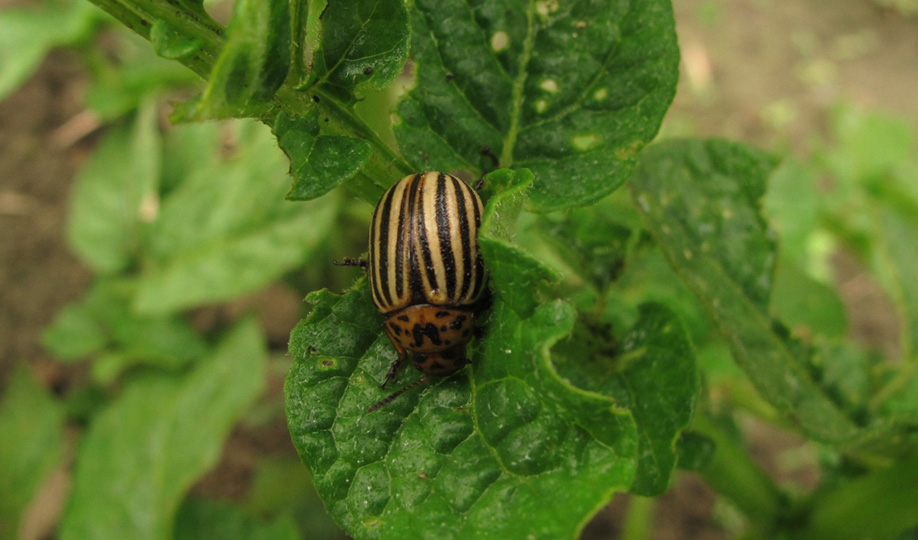
by Henry Homeyer CORNISH FLAT, N.H. – Although there are many old sayings like, “Plant your potatoes when the oak leaves are the size of a mouse’s ear,” I would rather depend on soil temperature and calendar dates. Besides, who really knows the size of a mouse’s ear? Mid-May is[Read More…]

The Frost Changes Everything
by Lynette Courtney GREENSBORO BEND – What a difference a single week can make. We were having lovely weather for being outside, but wait a few hours, and a killing frost creeps in. I’d dug and potted all sorts of beautiful plants for the nursery’s opening, this Friday, but when[Read More…]
Growing Herbs for Tea
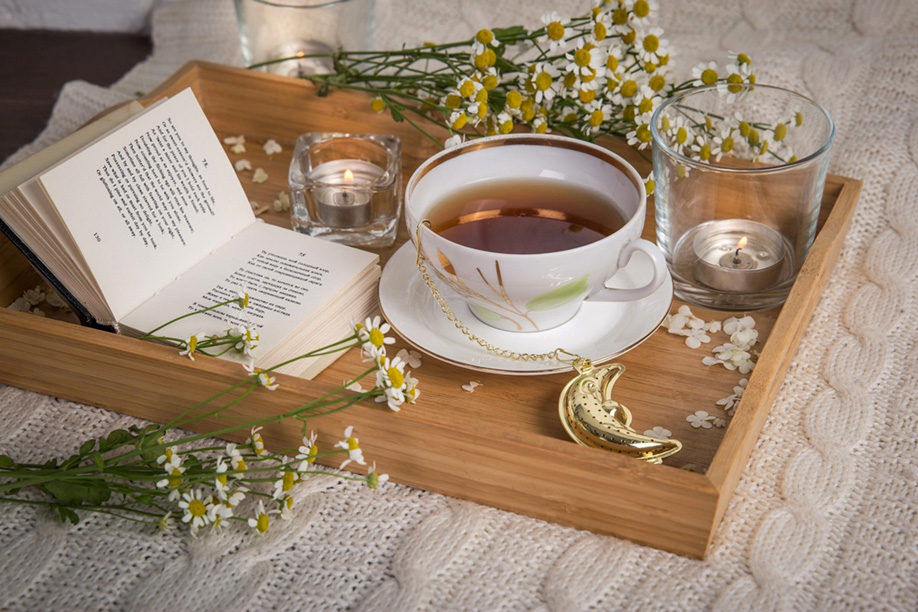
by Andrea Knepper, Extension Master Gardener, University of Vermont BOLTON – Herbs are attractive in the garden, easy to grow and a pleasure to use. Many common herbs can also be brewed into herbal teas. Chamomile is one of the most popular herbal teas and is easy to grow in[Read More…]
Start Gardens Early with Cold Frames
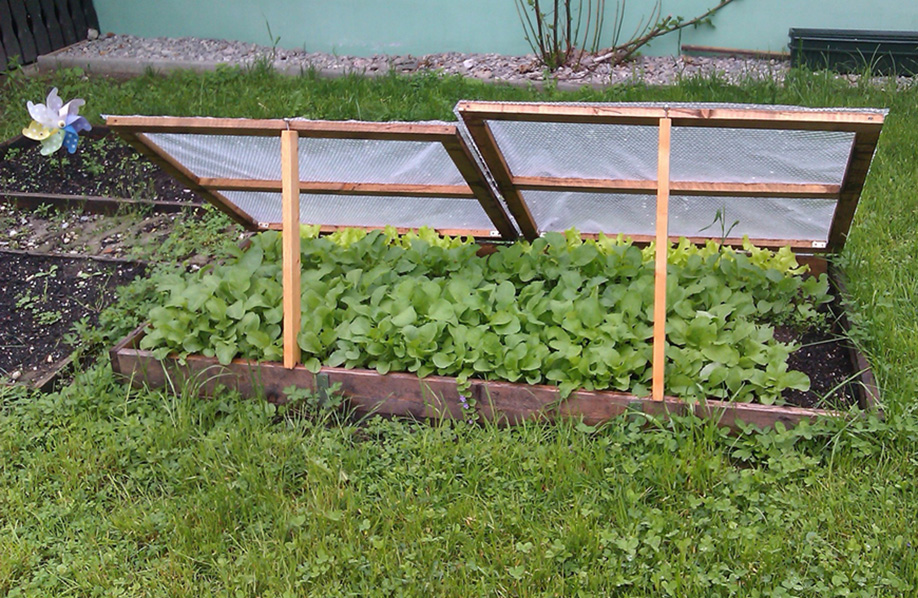
by Bonnie Kirn Donahue, Extension Master Gardener, University of Vermont NORTHFIELD – Utilizing cold frames in early spring is a great way to jump start the vegetable growing season. Cold frames are wood boxes with slanted, transparent glass or plastic tops that are placed directly on top of the soil[Read More…]

Early Season Treats from the Garden and the Woods
by Henry Homeyer CORNISH FLAT, N.H. – Even if you planted your peas and spinach in April, you will not be eating them anytime soon. Despite days of full sun and occasional days of high temperatures, spring in New England is often cold and rainy, too. Our vegetable gardens putter[Read More…]
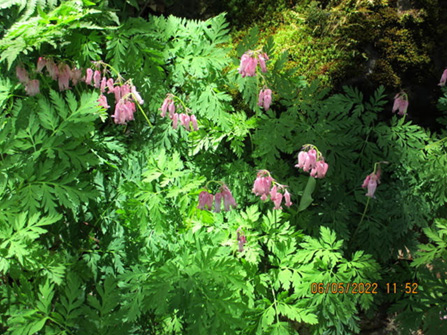
Spring Ephemerals now in Bloom
by Lynette Courtney This is the first of a series of articles I will be sharing with you, about local plants that are native to our area, in Northeastern Vermont. I have been learning so much about the very important role these plants and their essential partnership with local, native[Read More…]
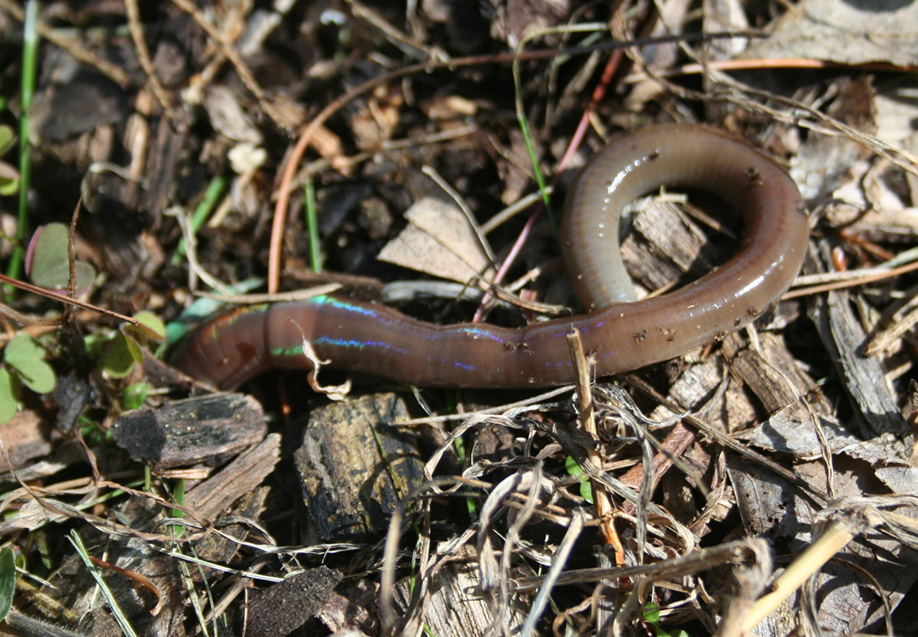
Jumping Worms Invade Local Gardens
by Deborah J. Benoit, Extension Master Gardener, University of Vermont NORTH ADAMS, Mass. – You may have heard of jumping worms, sometimes referred to as “snake worms.” Worm castings that resemble coffee grounds on the soil’s surface are likely the first thing you’ll notice. Jumping worms (Amynthas agrestis, Amynthas tokioensis[Read More…]
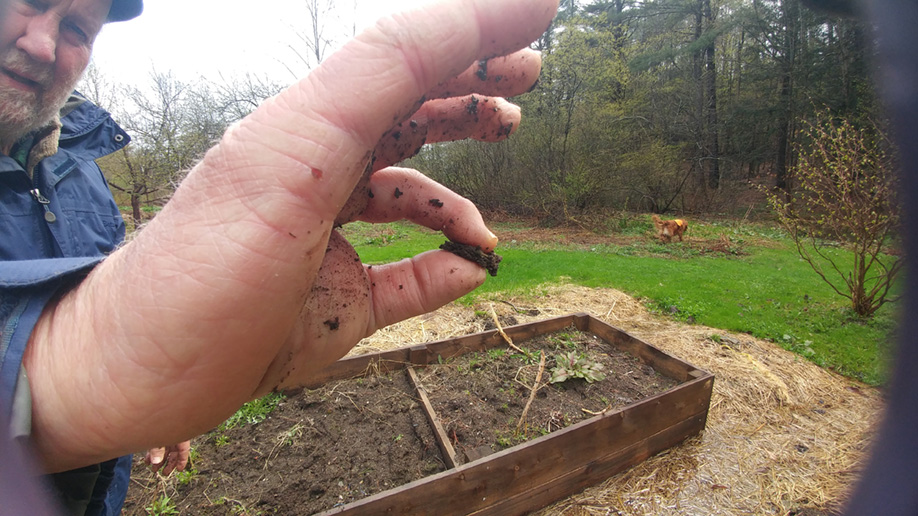
How is Your Soil and How Can You Improve It?
by Henry Homeyer CORNISH FLAT, N.H. – Most gardeners know that success in the garden depends on many factors: you can’t grow a sun-loving plant in a shady area, for example. And a shrub that loves wet places won’t do well in dry soil. But the key to success is[Read More…]
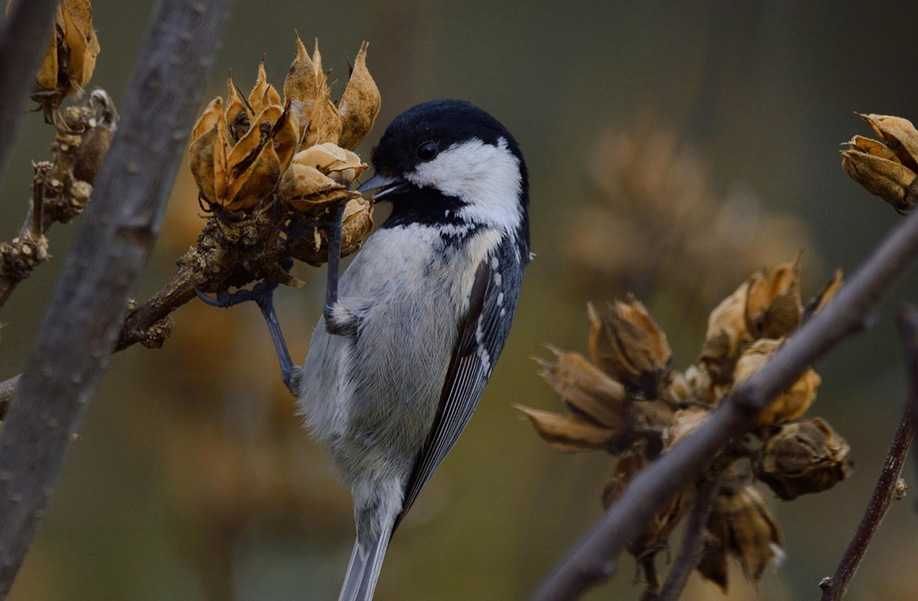
Designing a Bird-friendly Garden
by Bonnie Kirn Donahue, Extension Master Gardener, University of Vermont NORTHFIELD – One of the great joys and challenges of gardening is seeing creatures inhabit and eat from our gardens. However, in some cases, animals and insects are unwelcome visitors. Woodchucks, deer and cabbage worms can be relentless and frustrating[Read More…]
No Mow May
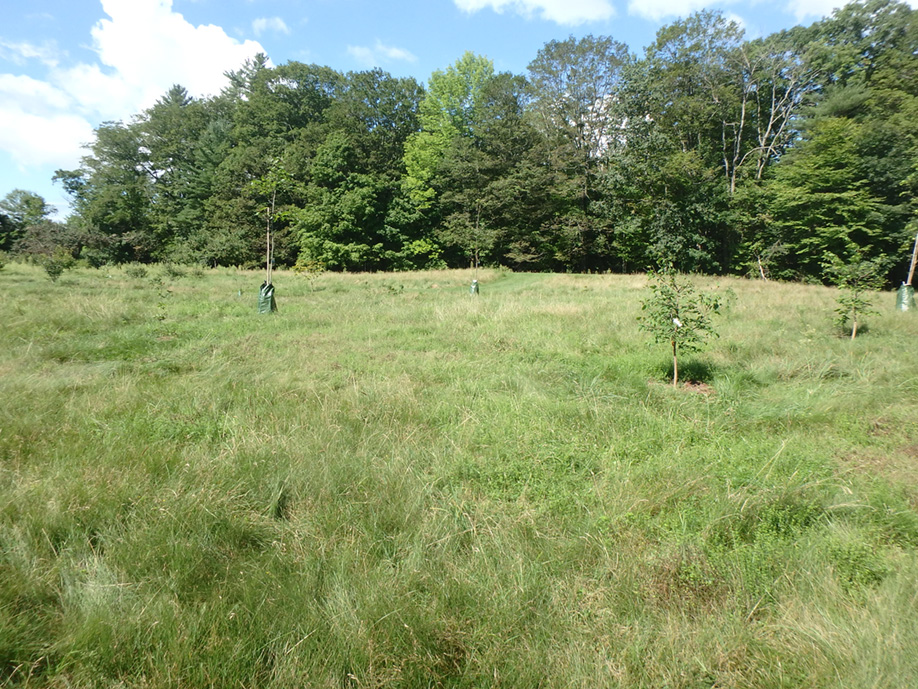
by Henry Homeyer CORNISH FLAT, N.H. – In 2019 a British non-profit called Plantlife coined the phrase “No Mow May.” They proposed that gardeners leave their mowers in storage for the month of May in order to let wildflowers and weeds bloom and provide pollen and nectar for pollinators. And[Read More…]
Invite Beneficial Insects with a Bug Hotel
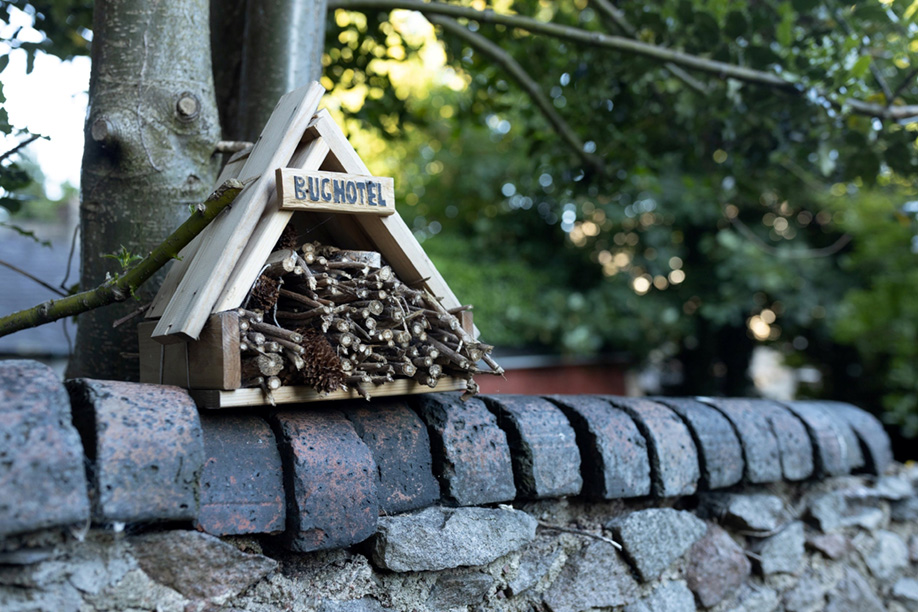
by Andrea Knepper, Extension Master Gardener, University of Vermont BOLTON – Many gardeners find ways to invite beneficial insects into their spaces by planting native pollinator plants, mulching and avoiding pesticide use. Another way to support a healthy beneficial insect community is a bug hotel. Bug hotels provide a variety[Read More…]


