


HARDWICK – Last year, I stood in the backyard of a young woman who had bought her family home believing she was building her future in the place where she was raised.
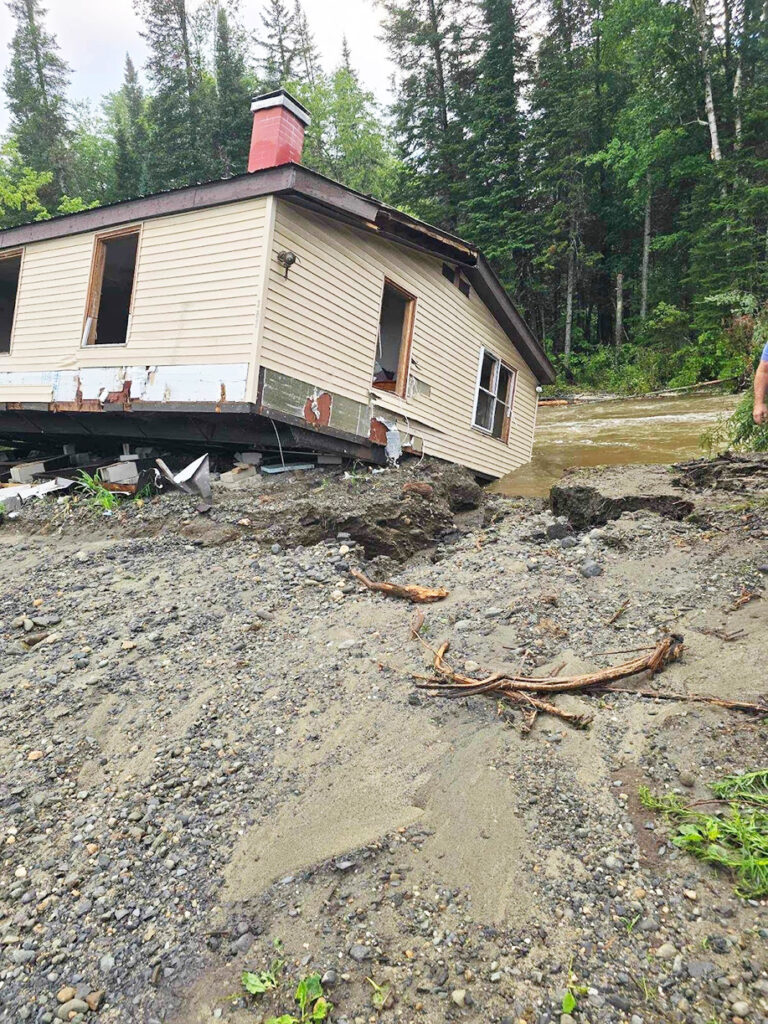
photo by Kristen Leahy
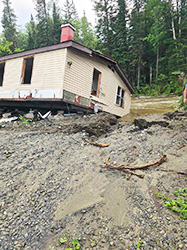
She experienced six floods in two years; she moved her car to higher ground six times; she watched her chickens scramble to the highest roost as water rose; She shoveled out mud repeatedly and asked every question a responsible homeowner is told to ask.
Could she elevate the house? The structure was too damaged. Could she dredge the river? Technically yes, though the state’s river scientist explained it would only buy time. She had tried every option Vermonters are encouraged to consider. Still, the water kept coming.
Vermonters often celebrate grit. We rebuild barns after fires. We re-stack stone walls after they fall. Grit is a familiar part of our identity.
After the 2023 and 2024 floods, people in Hardwick are learning another dimension of grit. Sometimes grit is the quiet strength to recognize when the river has shifted and when stepping back is the safest choice.
Hardwick has completed ten voluntary property buyouts. Four were funded through the Flood Resilient Communities Fund and six through FEMA. Another ten are in progress. These properties were not seasonal camps or speculative investments. They were homes where families lived, raised children and planned their futures.
Leaving was rarely a simple financial decision. For many residents, it meant wrestling with loss, relief and uncertainty.
One fact is often overlooked: Nearly all of the families who accepted buyouts stayed in our region. They moved to Calais, Greensboro, Eden and Craftsbury. They purchased smaller homes, more energy efficient homes and most importantly, homes outside floodplains and river corridors.
We checked the correlating models before they bought or built. They wanted to remain part of their communities, just not in locations where the river kept reclaiming space.
Many made their decisions with others in mind. They did not want future buyers to inherit repeated flooding or insurance struggles. They asked how the town would use the land and how it might help protect nearby homes.
Community care guided their choices.
We have cultural work to do alongside the technical work of recovery. Many residents told us the hardest part was not paperwork, but the idea that stepping back meant they had not tried hard enough.
Not every form of resilience looks like rebuilding in the same place. Sometimes resilience is recognizing risk clearly and choosing safety. Sometimes it is leaving a flood prone area so emergency responders are not repeatedly called back and so families do not have to shovel out basements again.
There has been a rumor that buyouts caused recent tax increases. It was the flooding itself, including the damage, the lost assessed value and the emergency costs, that was reflected in the town’s grand list.
Buyouts help stabilize finances over time because they prevent repeated loss and repeated taxpayer funded recovery cycles. They are not the cause of the fiscal challenge. They are one tool that reduces long term risk.
Vermont needs housing. It needs safe housing. Buyouts support that by helping residents leave unsafe conditions and by restoring floodplain functions that can protect neighborhoods.
Hardwick is not alone in facing these questions. Communities across Vermont are considering where rebuilding is appropriate or not. They are working through how to support residents and how to discuss adaptation without shame or blame.
For those who have gone through it, a buyout is not simply a transaction. It is a decision shaped by memory, safety and a sense of responsibility to the community. In Hardwick, those choices are being made with honesty and care.
Sometimes grit looks like rebuilding. And sometimes it looks like listening to the land and choosing a safer path forward together.
Kristen Leahy works as the zoning and floodplain administrator and resilience and adaptation coordinator for the Town of Hardwick.


