



NORTH ADAMS, Mass. – Adding a bit of greenery to surroundings might help chase winter blues away. Each year, shorter daylight hours and colder temperatures send many retreating indoors. Less exposure to sunlight brings with it reduced levels of Vitamin D and a potential imbalance in bodies of serotonin and melatonin, hormones important in controlling stress and regulating sleep.
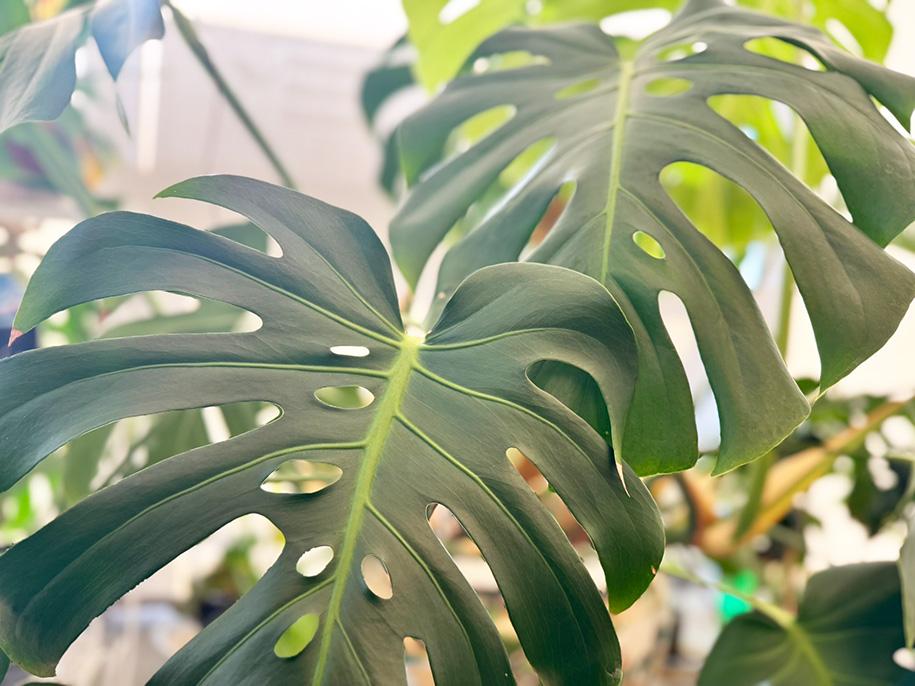
photo by Debra Heleba
For millions of people, dealing with Seasonal Affective Disorder (SAD), also popularly known as the winter blues, is no joke. It might manifest itself as a lack of energy and motivation, poor sleep quality, trouble getting out of bed in the morning, even general grumpiness. Some suffer from mental fatigue or are unable to concentrate.
According to the theory of biophilia, humans are drawn to connect with nature. Depriving ourselves of such interaction can harm our well-being. Adding plants to rooms at home or work is one way to help cope with SAD and it’s a natural choice for gardeners.
Houseplants beautify indoor spaces and lift spirits year-round. During the winter months, houseplants can serve therapeutic roles as well. Just as going for a walk in the woods or tending the garden can help boost moods, so can caring for houseplants.
Those with an interest in a particular plant, such as African violets (Saintpaulia), might consider adding a pot or two near a sunny window. A larger plant such as a Meyer lemon (Citrus x limon “Meyer”) provides a visually pleasing focal point in a room, while caring for it becomes a relaxing routine. Potted herbs under a grow light in the kitchen are both fragrant and satisfying to use when cooking.
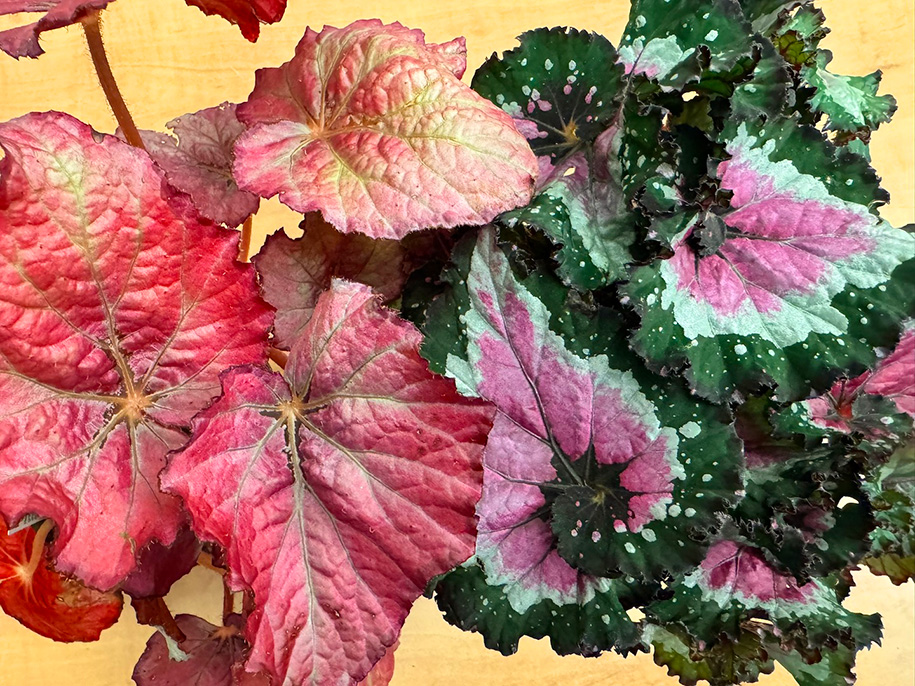
photo by Debra Heleba
Caring for houseplants provides a quiet time to relax and unwind. They can reconnect one to nature during months when lush, green gardens and parks are sleeping beneath a blanket of snow. The simple, mindful routine of watering houseplants, cleaning dust from their foliage, pruning or rotating pots can help focus thoughts and reduce stress. Sharing space with plants provides more than a visual link with nature. Caring for them can help reduce anxiety, ease mental fatigue and increase attention and cognitive performance.
Even potting soil has benefits. Research has shown that Mycobacterium vaccae, a bacterium in soil, may prompt the release of serotonin in the body to reduce anxiety and stress and acts as an antidepressant.
Houseplants can help relieve stress by reducing the amount of cortisol (a stress hormone) in the body. Caring for houseplants stimulates the senses of sight, smell, touch and taste if you’re growing edibles such as a tray of salad greens. The fragrance of flowering plants like jasmine (Jasminum polyanthum) can make a room smell like springtime.
Including plants in home décor may also help improve air quality. During photosynthesis, plants take in carbon dioxide and release oxygen into the air. In addition, a 1989 NASA Clean Air Study suggests that some common houseplants such as the peace lily (Spathiphyllum) can help reduce the amount of contaminants in the air.
Spend some quality time tending to houseplants, then bundle up and step outside into the sunshine. It won’t be long before spring is in the air.
Deborah Benoit is a UVM Extension Master Gardener from North Adams, Mass., who volunteers as a garden columnist and participates in Bennington County Extension Master Gardener Chapter activities.

Deborah J. Benoit
Deborah Benoit is a UVM Extension Master Gardener who volunteers as a garden columnist and for Bennington County Extension Master Gardener Chapter activities.


