


WHITE RIVER JUCNTION – It’s a common assumption that dandelions are the only available floral resources for pollinators in the spring. They just happen to be the flowers we see most often in our lawns and gardens. But many other species bloom in early spring (including our spring ephemerals. Some early-blooming plants are also mow-friendly and do well interspersed in lawns, roadsides, and other areas of bare or disturbed ground, just like dandelions.
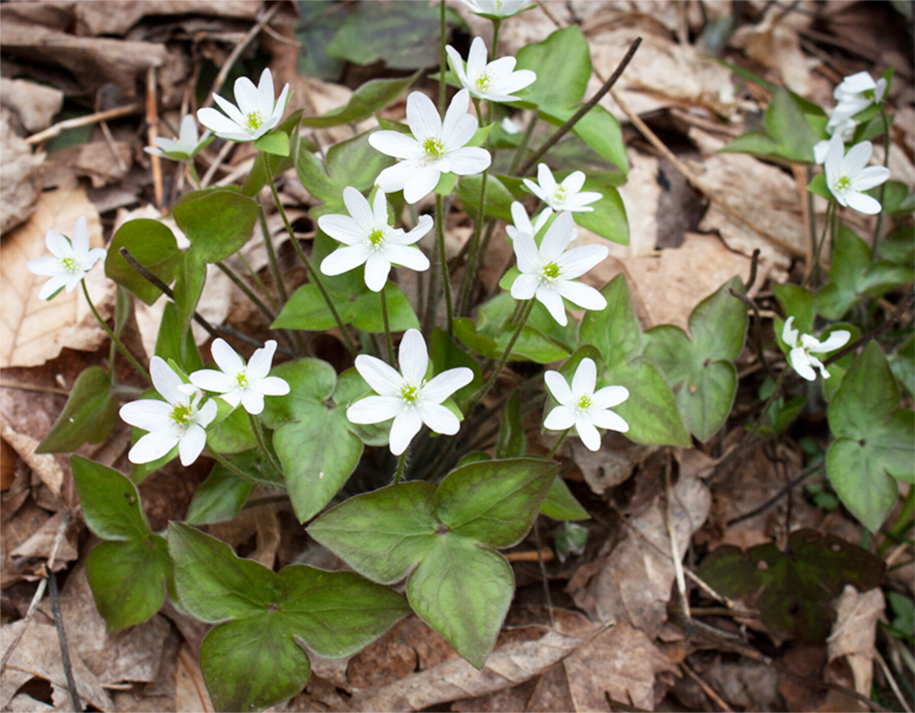
photo by Kent McFarland
Keep an eye out for these April-blooming species, and document who you see visiting them. You can submit your observations to iNaturalist to contribute to the Pollinator Interactions on Plants Project (PIP), or record early-flying butterflies for the Vermont Butterfly Atlas.
There are about 45 violet species native to Vermont and other parts of New England. They are the native cousins of the introduced pansies commonly found in nurseries each spring. Similar to monarchs and milkweed, violets are the sole host plants for most of our fritillary butterflies, like the Greater Spangled Fritillary. Violets are also visited by a pollen-specialist bee, the Violet Miner (Andrena violae), a rare (or at least rarely documented) species that flies early in the season. With so many violet species available, there is likely one that fits with the ecosystem where you live. One of my favorite violet species is the American Dog Violet (Viola labradorica). This dainty, lavender flower readily takes hold in lawns and gardens.
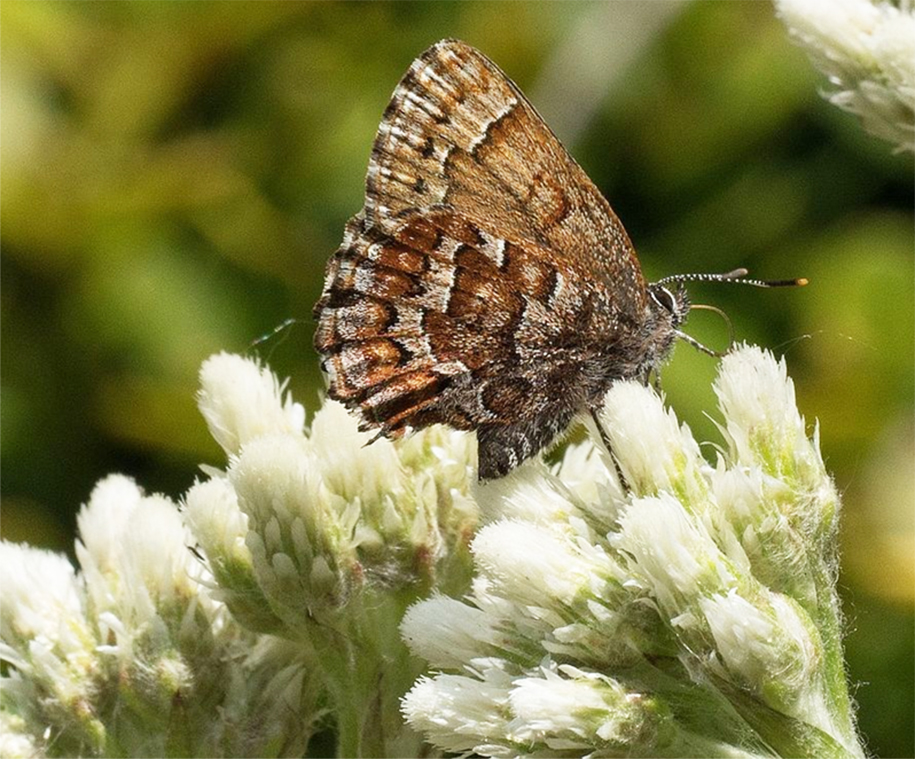
photo by Thomas Berger
Pussytoes are some of my favorite spring flowers. Their small and unassuming white blooms may not look like much at first glance, but they can be a magnet for early-flying bees. There are four species of native pussytoes in New England. The most common is Field Pussytoes (Antennaria neglecta). As its name suggests, it thrives in neglected areas and poor soils. I regularly see this species in lawns across Vermont, even in ballfields where kids are trampling it.
There are two species of native strawberries in New England: Virginia Strawberry (Fragaria virginiana) and Woodland Strawberry (Fragaria vesca). Virginia Strawberry is related to the cultivated strawberries we buy in stores. These garden strawberries (Fragaria × ananassa) are hybrids developed in 1714 by crossing the Virginia Strawberry with the Chilean Strawberry (Fragaria chiloensis).
Today, the Virginia Strawberry is widespread and one of the most common flowers in spring. It’s known for being both a pollinator magnet and an important host plant for caterpillars, supporting hundreds of species across New England. We included Virginia Strawberry in our Native Plant Ecotype Experiment and have documented many visitors, including its specialist bee, the Rose Miner Bee (Andrena melanochroa).


