
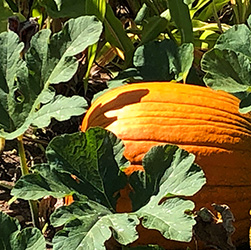


BURLINGTON – The recent cold snap with widespread frost and even a freeze in some spots in Vermont, likely marked the end of the season for pumpkins and winter squash. Unless an area escaped the frost or a crop was covered, tender foliage succumbed to the autumn temperatures.
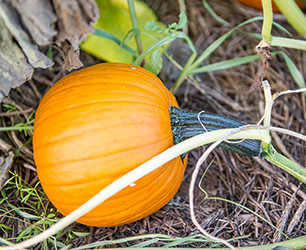
photo by Edwin Remsberg and USDA-SARE
In general, the timing of pumpkin and squash harvest can be tricky as picking them too early, before they are mature, results in poor flavor and color but harvesting too late leads to cold injury and quicker breakdown. Hopefully, crops have made it to maturity with pumpkins having a uniform orange color. Winter squashes, acorn, hubbard, buttercup, butternut and others, should have solid color and hardened, thumbnail-resistant skins.
Use a sharp knife or pruners to cut pumpkins and squash from their vines, keeping a few inches of stem attached. Handle them as little as possible. It is always advised to hold pumpkins like a ball and not by their stems. Wearing gloves during harvest will protect both the squashes.
Remove any soil from the surface of pumpkins and squash. Wash them too but make sure they are thoroughly dried before storage.
Most pumpkins and squash (except acorn) benefit from a curing stage that may heal any surface wounds and harden their rinds. Curing can also increase their sugar content leading to better tasting fruit. To cure pumpkins and squash, leave them in a well-ventilated spot for five to 10 days after harvest. Keep them out of the sun but aim for temperatures above 60°F, ideally 80 to 85°F during the curing phase.
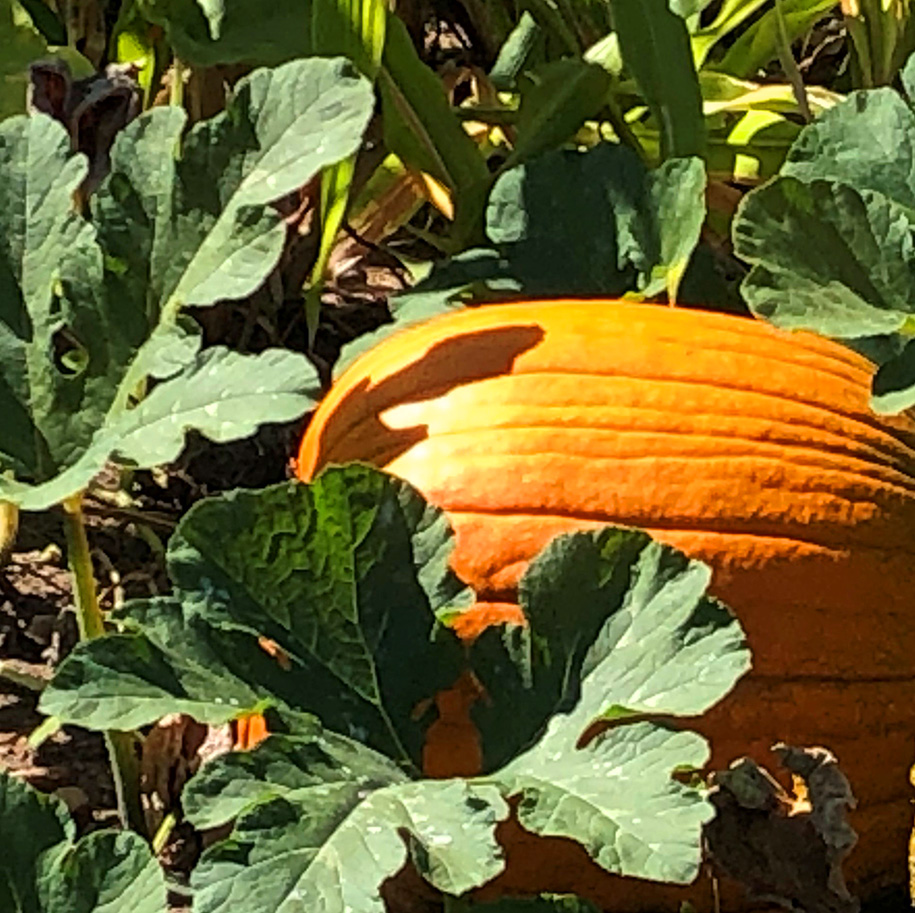
photo by Debra Heleba
Store pumpkins and squash off the ground in a well-ventilated location away from sunlight. Ideal storage temperatures should be a consistent 50 to 55°F, making sure to avoid temperature fluctuations. Ideal humidity should be between 50% and 70%. A cool basement can provide these conditions. Keep pumpkins away from apples and ripening tomatoes to avoid the ethylene produced by those fruits that accelerates ripening.
Under these conditions, pumpkins and acorn squash can last up to two to three months, while butternut squash can store well up to three to four months. Hubbard and buttercup squash can last up to four to six months under the right conditions.
Heleba coordinates UVM Extension’s community horticulture programs including the Extension Master Gardener and Vermont Master Composter programs. She lives and gardens in Addison County.


